









At least 207 people have been killed and more than 450 injured in Sri Lanka after suicide bombers from a religious extremist group struck churches and hotels in multiple cities on Sunday morning. Three Catholic churches were targeted while their Easter services were under way, and three five-star hotels were attacked in and around the country’s capital, Colombo. It is the worst violence the country since the end of a brutal 26-year civil war a decade ago, and the largest targeted attack on Christians in South Asia in memory — let alone on one of the faith’s holiest days. Below is a running account of what we know so far.
What Happened, Where
Suicide bombers struck three Roman Catholic churches in three separate cities and three five-star hotels in and around the capital city of Colombo. The attacks started just before 9 A.M. local time when Easter Sunday services were underway at the churches: St. Anthony’s Shrine in Colombo, home to the country’s largest Catholic congregation, as well as one of the country’s oldest and best-known Christian houses of worship; St. Sebastian’s Church in Negombo; and Zion Church in Batticaloa on the country’s East Coast. The hotels targeted in the attacks were the Shangri-La Hotel, Cinnamon Grand Colombo, and Kingsbury Colombo Hotel.
It’s not yet clear precisely how the attacks were carried out, but images from inside the bombed churches — which show smashed pews and scarred walls and ceilings — seem to indicate that the bombers were able to enter the cathedrals before detonating. A man who arrived at St. Anthony’s Shrine immediately after the attack told the New York Times that he saw “a river of blood” inside the church, and that “Ash was falling like snow.”
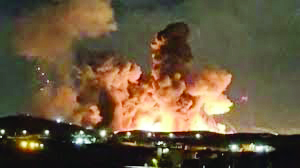
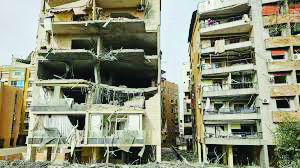
Restaurants appear to have been the targets in at least two of the hotels. At he Shangri-La Hotel, the bomber reportedly targeted a third-floor restaurant where brunch was underway, according to a witness. A ground-floor restaurant was attacked at the Cinnamon Grand Hotel. There were six explosions in the initial attacks, followed by another two afterward, amid law enforcement authorities’ search for suspects. One of those explosions was at a housing complex in the Dematagoda suburb of Colombo, where police engaged in a firefight with suspected terrorists and found explosives in at least one apartment, which may have been where the attacks were planned. Three police officers were reportedly killed in that blast, which was apparently detonated by a suspect while he was being questioned.
The Attackers
No one has claimed responsibility for the attacks, but 13 people have been arrested, according to Sri Lankan authorities, and the government says it has identified the attackers — who are being described as religious extremists. The country’s defense minister has said that they “believe these were coordinated attacks, and one group was behind them.” “So far the names that have come up are local,” Sri Lankan prime minister Ranil Wickremesinghe announced at a press conference, adding that they are looking to see if any foreign elements were involved.
Sri Lankan authorities have asked media organizations to not publish the names of the attackers or give extremists “a voice” — noting that groups may seek to inflame tensions and spark violence in the aftermath of the attack.
The Apparently Missed Warning
Prime Minister Wickremesinghe also said that there had been advance warning of a possible attack, but that it was not acted upon, and it’s not yet clear why. The New York Times reports that:
A top police official alerted security officials in an advisory 10 days ago about a threat to prominent churches from a radical Islamist group, National Thowheeth Jama’ath. But it was unclear what safeguards, if any, were taken, or if in the end the group played any role in Sunday’s violence. And on Sunday, reflecting frictions within the government, the prime minister pointedly said he had not been informed.
Source: http://nymag.com
Saturday, April 18, 2026