


















By: Hasan A. Rabbani, Gr 9
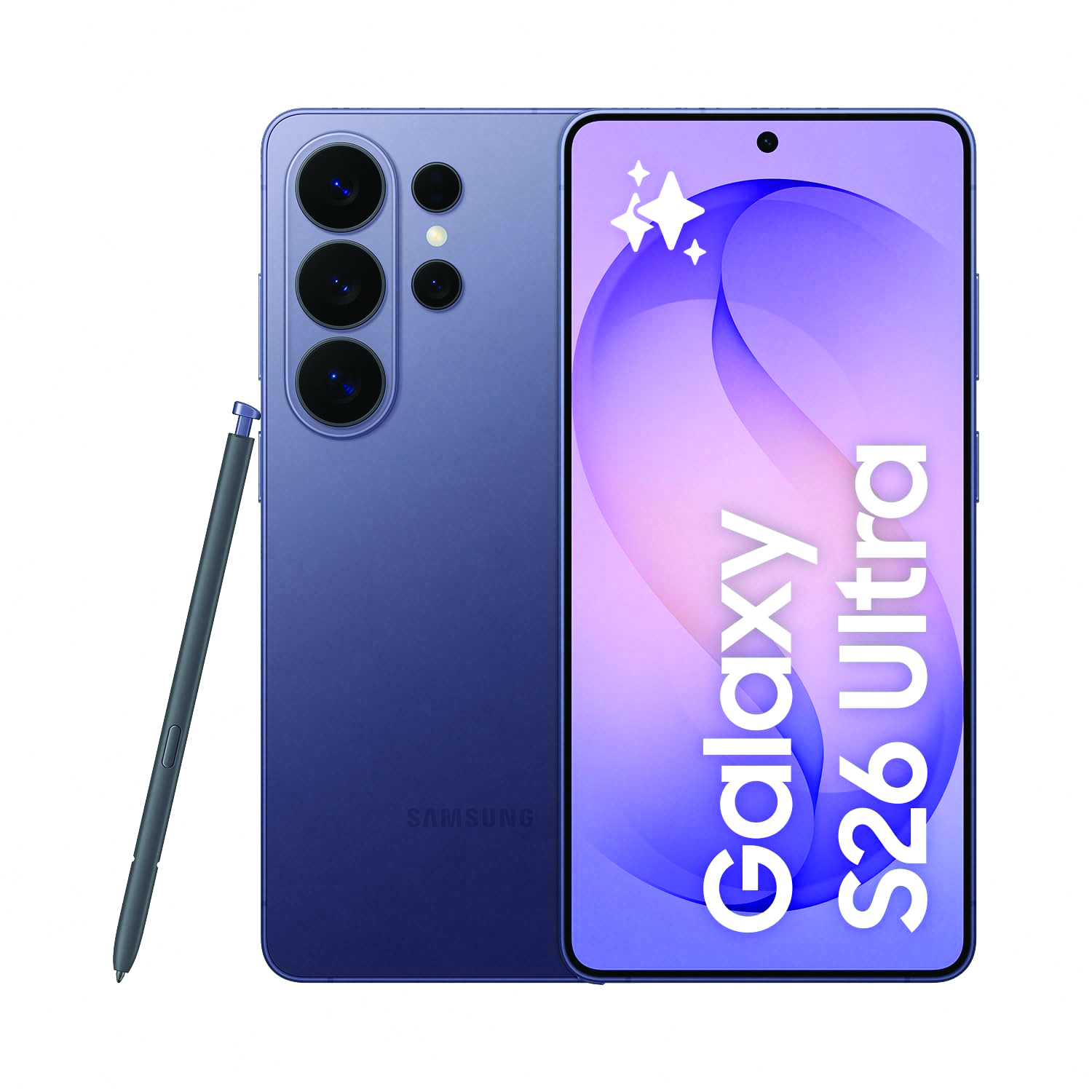
Samsung continues to innovate with its new S26 Ultra. The phone features routine and incremental upgrades, such as brand-new AI features and a better processor, but it has also introduced two game-changers.
Samsung realized that people value practical features, not generative AI slop. They identified two real problems and provided real solutions, innovating and setting high standards for every phone to be released in 2026.
Most people don’t feel safe checking notifications, messaging, or entering passwords in public.
Samsung realized this and integrated a privacy layer into its screen. Privacy screens restrict viewing angles only to the person holding the phone. Someone sitting next to them won’t be able to see the screen; it’ll be blacked out, as if it isn’t even on.
This is achieved through a remarkable layer of microscopic “blinds” that are so small and tightly packed that they aren’t visible head-on, and they don’t disrupt the screen. But as soon as the viewing angle increases, they start to block out the screen’s light.
Privacy screens have always existed, though; this isn’t new technology. However, they’ve always had drawbacks. Privacy screens have traditionally been implemented by screen protectors that dim and slightly blur the screen. Samsung’s technologies are innovative because they are built directly as a layer on top of the screen and are electronically toggleable. In other words, the privacy screen is only enabled when needed, and off otherwise. Samsung has used this to its fullest potential, using its software integration to add functionality. The privacy screen can be toggled on a schedule or when leaving home, for example. Additionally, because the tiny blinds are activated electronically, only specific blinds can be activated. Samsung has also used the screen to block out notifications and login pages specifically, while leaving the rest of the screen completely untouched and normal. Samsung’s technology is an industry-first and presents the best of both worlds.
Unfortunately, the privacy screen is only available on the S26 Ultra. Samsung still needed something for its S26 and S26+, so it looked at the arguably most important part of their phones, the cameras. Samsung saw how shaky videos taken while moving were, and how a gimbal was necessary to keep the phone steady. Optical image stabilization, where the phone’s sensor physically moves under the camera lens, wasn’t enough, and more needed to be done on the software front.
Samsung engineered a marvel that they call “Horizon Lock, which holds the video completely upright. Even when the phone is rotated, the video will look completely unaffected. The phone uses its gyroscope to counter-rotate footage and stabilize it using AI. Additionally, the monstrous 200-megapixel camera inside the S26 Ultra crops the footage. It uses the extra space to output a stable frame, while effectively utilizing the large sensor to minimize quality loss.
This video mode presents a world of opportunities. While the feature is best designed for high- action situations such as biking or running, it works flawlessly in regular use cases. Whether taking a scenic shot of a skyline, recording a birthday party, or for social media, Horizon Lock is a practical quality-boosting addition that makes videos look professional and polished.
These features are massive steps forward, and for the first time in years, set Samsung apart from other phone companies. They add practical use, value, and show customers a practical use of AI, in the way they had first imagined. After multiple years of bland, incremental upgrades, Samsung finally stepped up and showed its consumers that the company can still innovate.

