









By Rebecca Morelle, Science editor and Alison Francis,
Senior science journalist
In just a few days Nasa is planning to launch the Artemis II mission, sending four astronauts on their way to the Moon.
Their voyage around our nearest neighbour will pave the way for a lunar landing and, eventually, a Moon base. Nasa’s Artemis programme has taken years of work, involved thousands of people and is estimated to have cost $93bn to date.
But for some, there’s a distinct feeling of “been there, done that”.
More than 50 years ago, America’s Apollo missions made history when the first people set foot on the lunar surface. With six landings in total, it felt like the Moon had been well and truly ticked off the space to-do list.
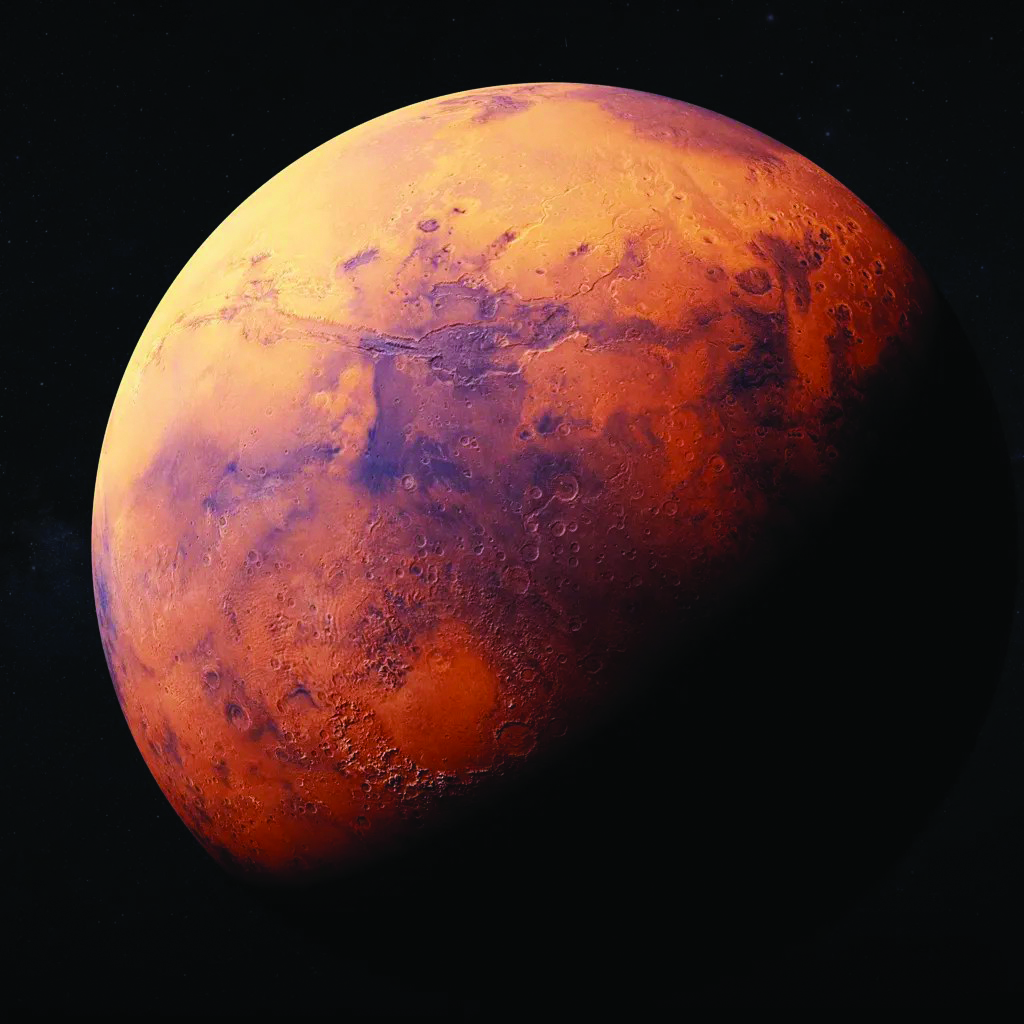
So why is the US spending so much time, effort and money racing to return? The terrain might look dry, dusty and seems rather barren, but it’s far from that. “The Moon has got the same elements in it that we have here on Earth,” says Prof Sara Russell, a planetary scientist at the Natural History Museum. “An example is rare earth elements, which are very scarce on Earth, and there might be parts of the Moon where these are concentrated enough to be able to mine them.” There are metals too, like iron and titanium, and also helium, which is used in everything from superconductors to medical equipment. The personal items the Artemis II crew are taking to the Moon Could weather conditions stop Artemis Moon launch?
When is Nasa’s Moon mission launch and what will Artemis do?
Artemis II: Inside the Moon mission to fly humans further than ever But the resource that’s the biggest draw is the most surprising: water.
“It has water trapped in some of its minerals, and it also has substantial amounts of water at the poles,” says Russell. There are craters that are permanently in shadow, she says, where ice can build up.
Having access to water is vital if you want to live on the Moon. It not only provides drinking water, but can also be split into hydrogen and oxygen to provide air for astronauts to breathe, and even fuel for spacecraft.
Source: bbc.com/news