














The Muslim world is once again passing through a difficult and delicate test. Over the past few months, the developments in the
Middle East and across the Muslim world have been deeply alarming. In February, tensions and border clashes between Pakistan and Afghanistan had already created a strained
atmosphere. On the surface, it appeared to be a minor border dispute, but according to many observers, a larger strategy seemed to be at work behind it—one aimed at diverting the attention of the Muslim world from real issues and pushing the region toward further instability.
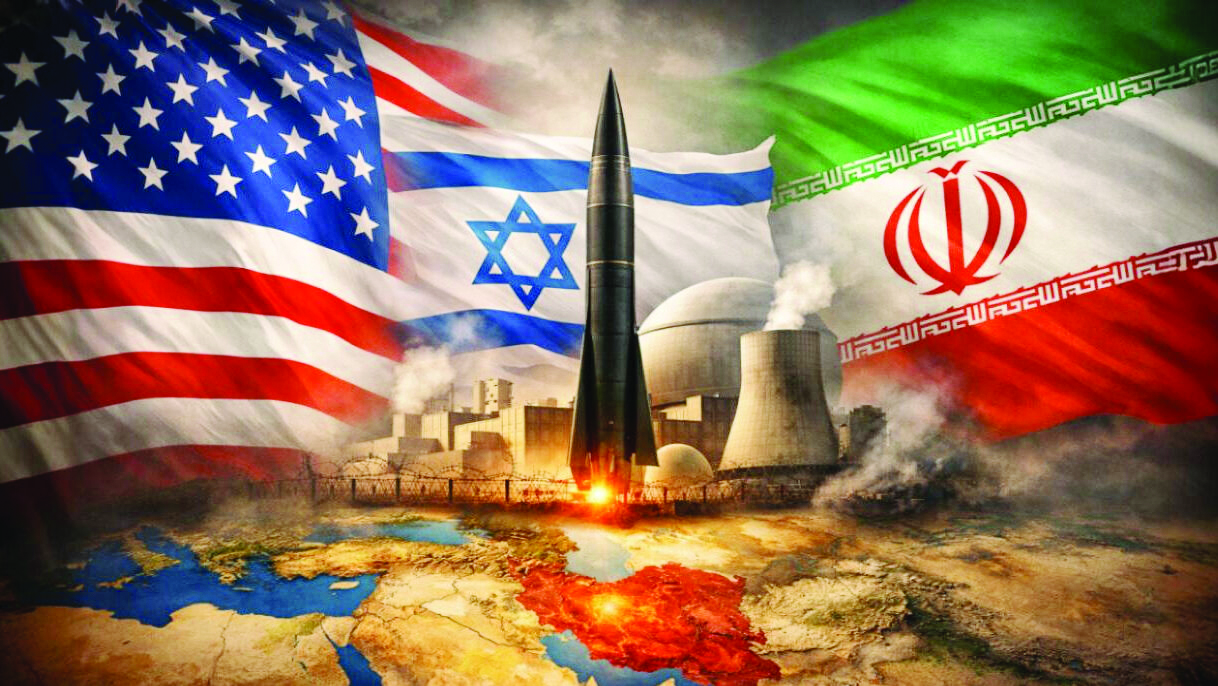
In this already tense environment, the aggression by Israel and the United States against Iran at the beginning of March pushed the entire region to the brink of another war.
These attacks began at a time when negotiations were taking place in Oman. Later, various justifications for the war were presented by the United States. At one point it was claimed that if the attack had not been carried out, Iran would have attacked first—an argument that appeared weak and illogical. Another claim suggested that the aim was a regime change in Iran: removing the current leadership and bringing the son of Reza Shah Pahlavi into power because the public was supposedly dissatisfied with the government.
However, the unity and solidarity shown by the Iranian people during the conflict seemed to contradict this claim.
Another justification was Iran’s nuclear program, even though not long before this it had been claimed that Iran’s nuclear capability had already been destroyed.
Despite these contradictory statements, the outcome of this war has been nothing but destruction, human tragedy, and the loss of countless lives.
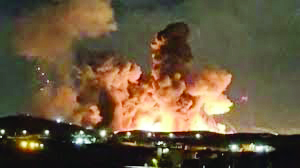
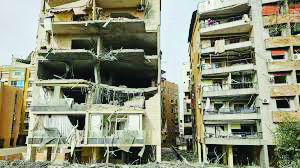
Infrastructure, military installations, ports, and oil reserves in several cities, including Tehran, suffered severe damage.
Thousands were injured and nearly fourteen hundred civilians were killed, including innocent children and 168 schoolgirls. This raises a painful question that remains unanswered: Who will account for these innocent lives?
This situation also reveals a bitter reality: in today’s world, the law of power appears to dominate. It seems that the one who possesses power makes the decisions. Any powerful country can attack a weaker one, destabilize its government, and push its people into destruction and displacement.
Another dangerous aspect of this conflict is that it is gradually engulfing the entire Middle East. Several neighboring countries around Iran have become involved because attacks against Iran were launched from American military bases located on their soil. Iran had initially issued warnings, but when the attacks continued, it began targeting the locations from which operations against it were being conducted.
As a result, fear, uncertainty, and insecurity spread throughout the region. Airports, oil facilities, and everyday civilian life all came under threat.
On the other hand, Iran also responded forcefully, causing damage to Israel and increasing anxiety among its population. Remarkably, despite intense attacks, the loss of senior military commanders, and significant damage, Iran’s leadership and people have remained resilient and determined. They have established a leadership structure in which, if top leaders are lost, alternative leadership immediately assumes responsibility. This strategy has contributed to stability during the war.
At the same time, the oppressed people of Palestine have been suffering under oppression for many years. Despite continuous hardships, their resilience and determination remain strong. This reality alone should be enough to awaken the conscience of the Muslim world.
In this entire scenario, the biggest question is directed toward the rulers of the Muslim world—those who, in the name of American protection, spent billions of dollars and allowed foreign military bases to be established on their soil.
Today, they themselves face insecurity. When dangers
increase, major powers prioritize their own interests and withdraw their forces.
This reality shows that in global politics there are no permanent friends or enemies—only interests.
For Pakistan, this situation is also extremely sensitive.
If Pakistan becomes part of any major power’s agenda against Iran in regional politics, the consequences could be very dangerous. Pakistan already lies in a complex region with sensitive borders shared with India, Afghanistan, and Iran.
The greatest need today is for the leaders of Muslim countries to set aside their differences and demonstrate unity, wisdom, and foresight. They must realize that dignity, security, and stability do not come from dependence on external powers, but from their own strength, mutual unity, and complete trust in Allah.
We pray that on the blessed occasion of Eid, Allah grants peace and stability to this region, elevates the ranks of the martyrs, helps the oppressed, and grants the rulers of the Muslim Ummah wisdom, insight, and unity. If they awaken even now, it will not only secure their own future but also benefit the entire Ummah.
What do you think?
“Waan Laysa Lil
Insana illa ma’ sa’aa “
That man can have nothing but what he strives for.