








Ramadan is a month of blessings, mercy, and forgiveness. The Holy Qur’an and the hadiths of the Prophet (saw) describe this month as a practical means to cultivate patience, endurance, and piety so that Muslims can live the entire year according to the pleasure of Allah Almighty. But the question remains: are we able to apply this training in our collective and political life?
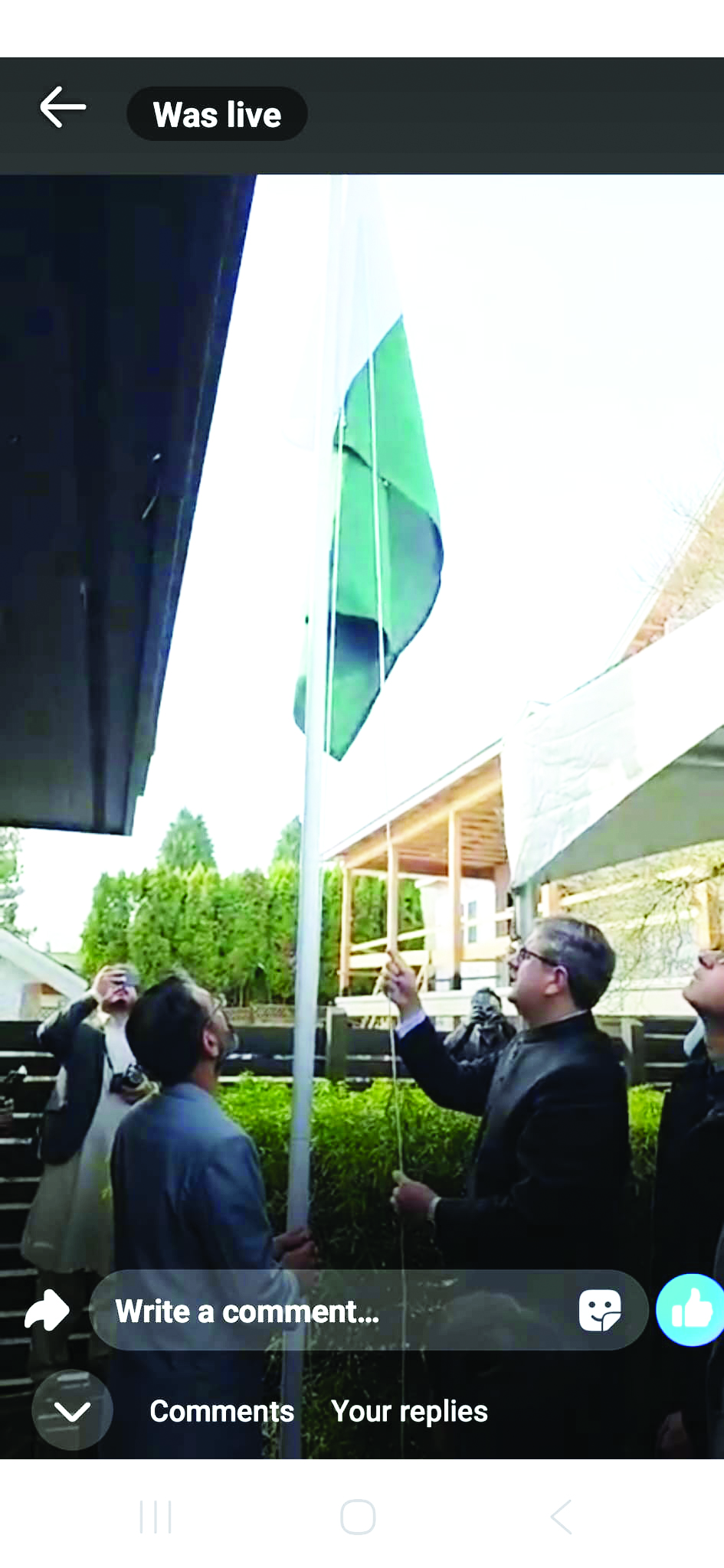
First, a recent incident at the British Columbia Muslim
Association in the Canadian province of British Columbia is worth noting. Disagreements between two groups over administrative changes at the Surrey Jamia Mosque escalated to such an extent that the mosque environment became tense, and local police had to intervene. At one point, officers even ran across the prayer rows with their shoes to control the situation. A mosque, a place of peace and worship, witnessing such harsh words and hostility is truly regrettable. Videos circulating on social media have also affected the community’s reputation. We pray that future elections are peaceful and that whoever wins is accepted wholeheartedly.
During the same Ramadan, tensions between Pakistan and Afghanistan increased.
Pakistan asserts that elements of Tehreek-e-Taliban Pakistan are involved in terrorism in border regions. But the question arises: why have we not been able to eliminate long-standing terrorism, and is war the only solution? Tensions with India in the east already exist, and the situation in Afghanistan in the west has further complicated matters. Pakistan’s economy is already burdened with loans from the International Monetary Fund (IMF) and internal taxes. In such a scenario, large financial agreements with global powers ultimately affect the people. This raises the question: can a country facing both internal and external challenges afford a new war, which would result in significant casualties and financial losses on both sides?
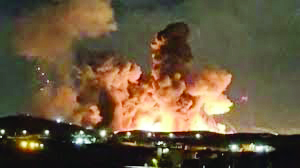
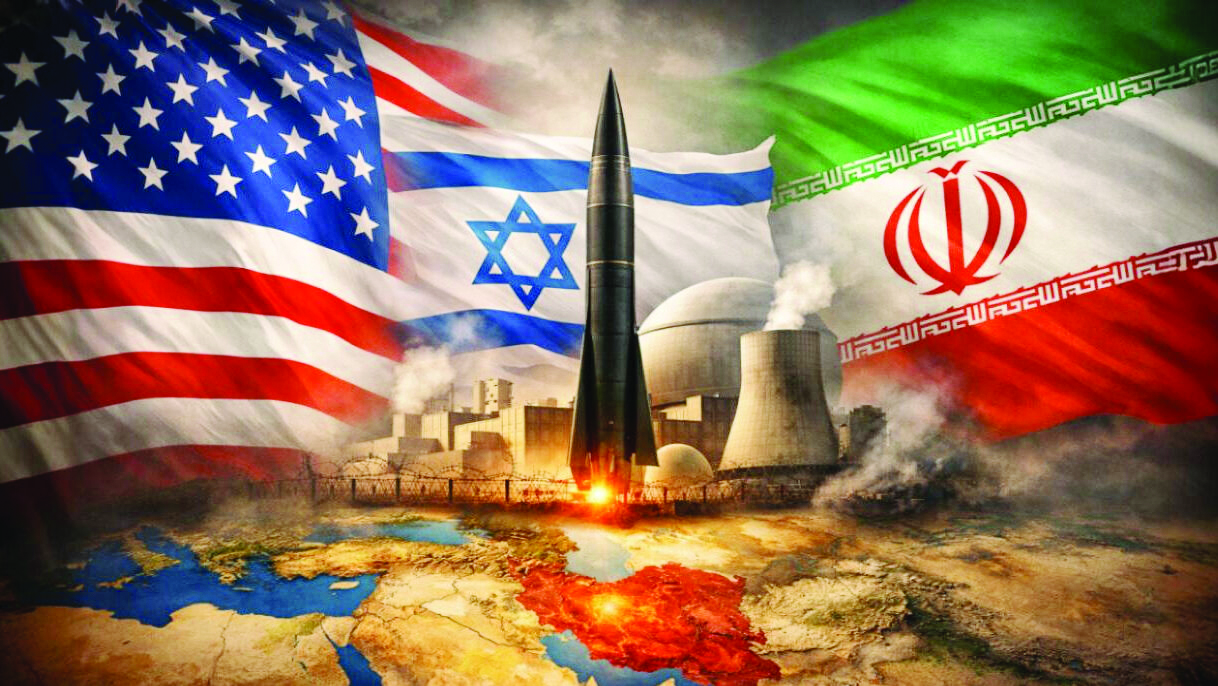
In the Middle East, tensions between Iran, Israel, and the United States have created uncertainty in the region.
U.S. support for Israel, followed by subsequent reactions, has worsened the situation. Fears of the closure of the Strait of Hormuz, disruptions in oil supply, and instability in global trade markets could negatively impact the entire world.
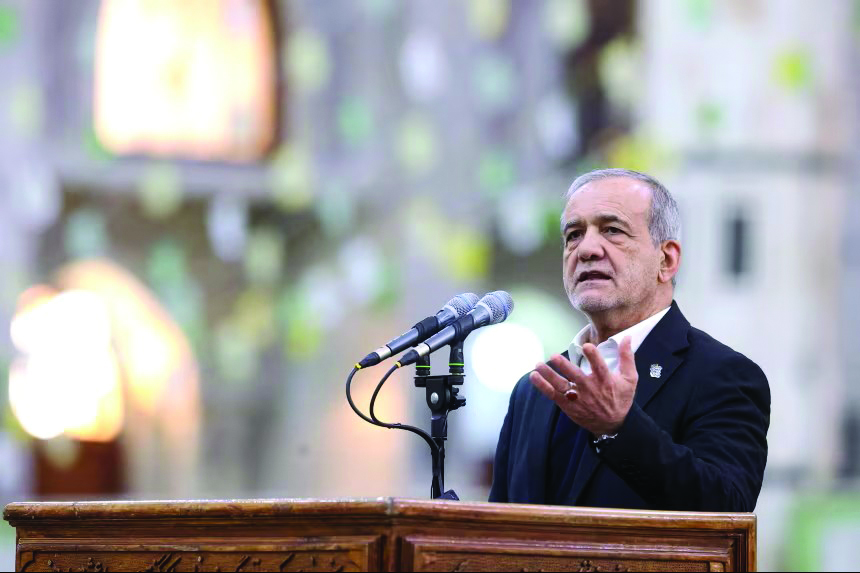
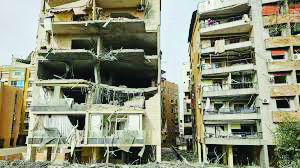
The destruction caused by U.S. actions in Iraq, Syria, and other countries is still fresh in memory. Nations once considered prosperous are now facing severe hardships. Just a few years ago, imagining such scenarios was difficult. The question is: is history repeating itself? Will another Islamic country face serious consequences? So far, around 48 top Iranian leaders, including the Supreme Commander, have been martyred, yet Iran has strengthened its backup plans, leaving the U.S. and Israel currently unsettled.
It has now become clear to Middle Eastern countries that the superpower that has taken billions of dollars supposedly for their protection wants to withdraw its forces quickly. This raises the question: can this superpower genuinely provide security for these nations? When will the 57 Muslim countries of the Organization of Islamic Cooperation (OIC) seriously consider unity and collective defense? Will the principle of “everyone takes turns” prove effective? Leaders of Eastern countries must meet, deliberate sincerely, and take action to ensure the Muslim Ummah becomes permanently strong and self-reliant.
Will the principle of “might makes right” continue, pushing the world toward further insecurity? Can any superpower change regimes in any country at will? Protests in various countries indicate that people want peace and do not desire further destruction. Yet, in some major cities of Pakistan, protests have turned violent, causing the loss of precious lives and damage to property.
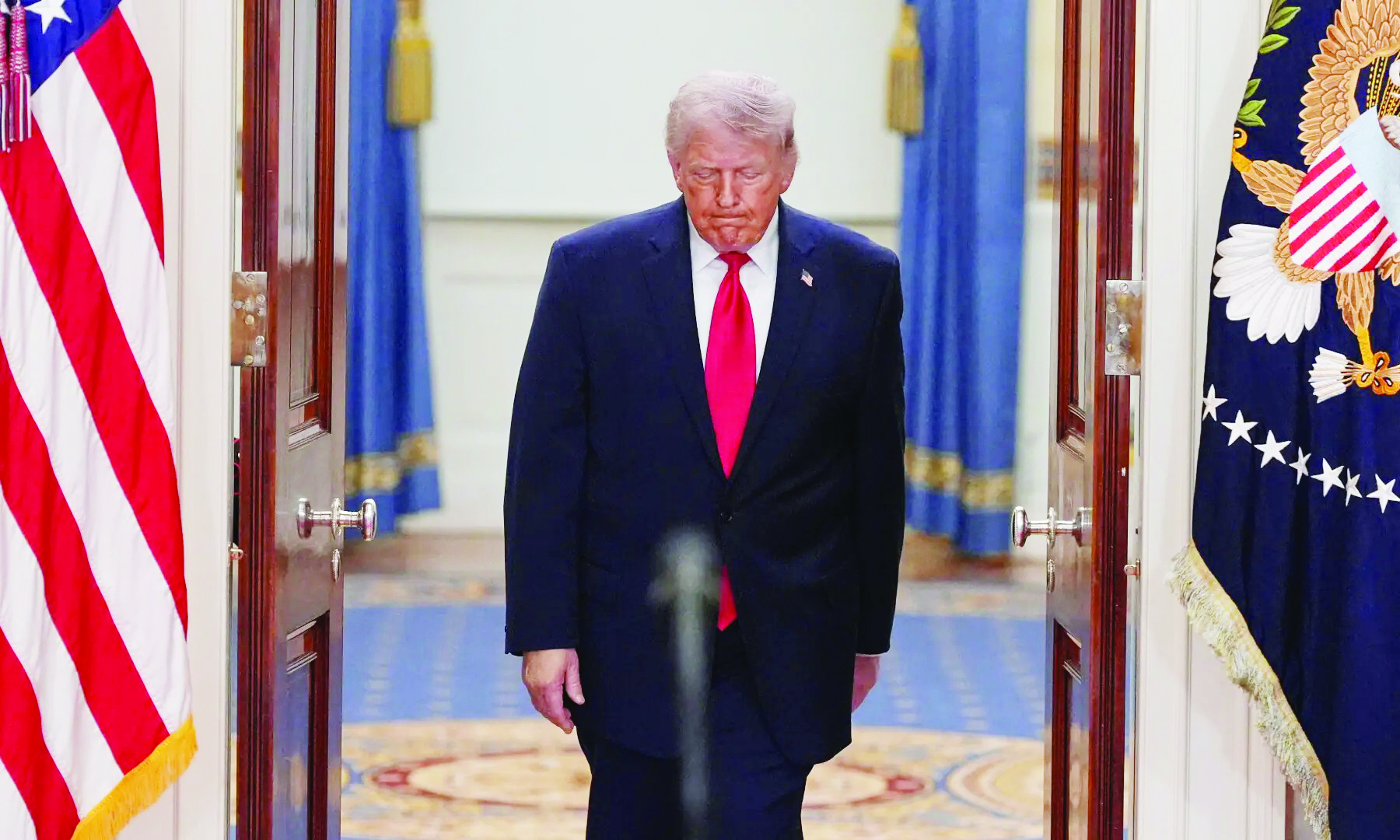
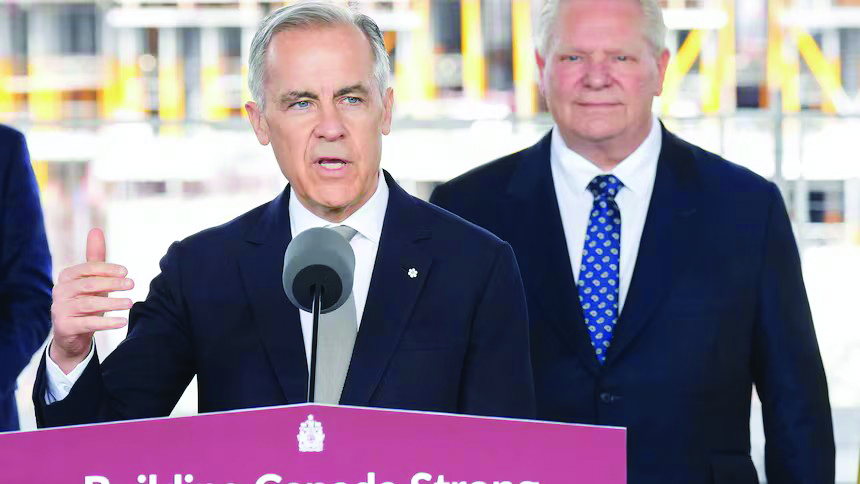
Recently, a proposed global platform called the “Peace Board,” associated with former U.S. President Donald Trump, has come under discussion. Ostensibly, it aims to promote cooperation for peace and reconstruction in Gaza and the Middle East, with some Gulf countries and Pakistan supporting it. However, the question remains whether this initiative is purely for peace or part of global politics. Pakistan is participating as a significant member, contributing one billion dollars, while already burdened with IMF loans and internal financial difficulties. It requires careful consideration whether this is a sustainable move for the country.
All these circumstances compel us to reflect: will Muslim countries follow the path of unity and self-reliance, or will they continue to make decisions under the influence of external powers? Ramadan teaches us patience, wisdom, and unity. It is necessary to adopt this message not only individually but also collectively.
May Allah Almighty forgive the martyrs, heal the wounded, bring an early ceasefire in the Middle East, allow all countries to progress on the path of life and development, and grant the Muslim Ummah the ability to act with unity, insight, and correct judgment. Ameen.
Whether at home, in society, in the country, or across the world — peace is needed everywhere. What do you think?
“Waan Laysa Lil
Insana illa ma’ sa’aa “
That man can have nothing but what he strives for.