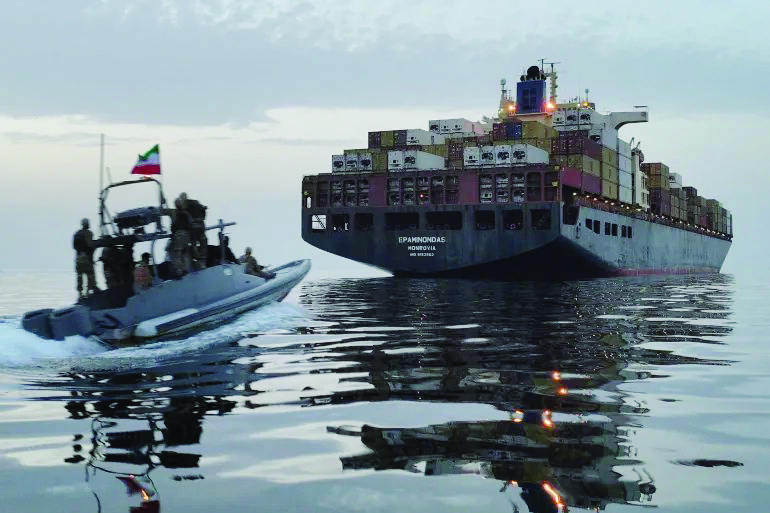













The Middle East is once again facing a dangerous escalation, as tensions between Iran, Israel, and the United States threaten not only regional peace but global stability. Since late February, the situation has intensified, directly impacting international markets—especially oil supply and inflation. At the center of this crisis lies the strategically vital Strait of Hormuz, a key route for global energy transportation. Increased U.S. naval presence and Iran’s strong response have heightened the risk of confrontation.
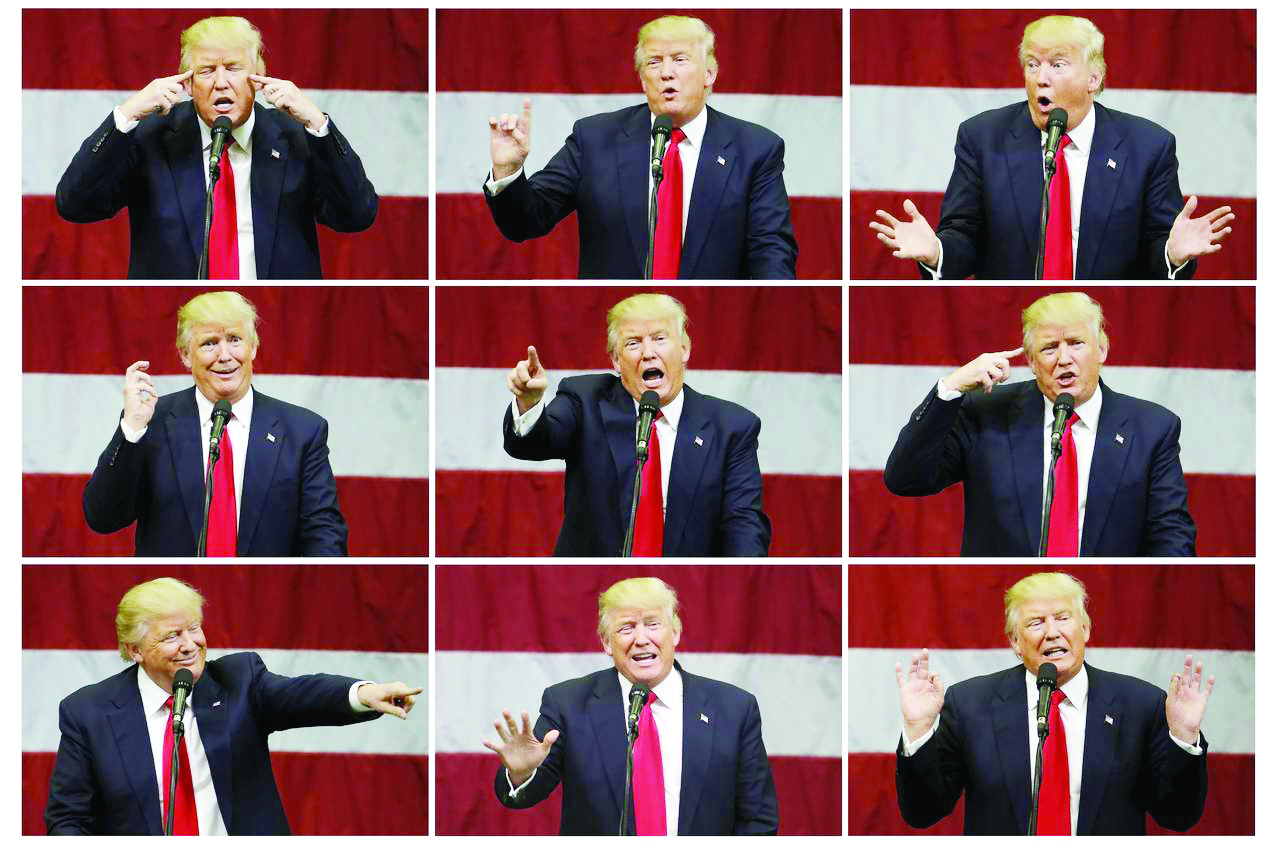
Recent warnings by Donald Trump regarding any disruption to trade routes, particularly the Strait of Hormuz, have further aggravated tensions. Analysts caution that even a limited conflict in this area could have severe consequences for the global economy, causing sharp increases in oil prices and inflation. Despite global concern, contradictions between diplomatic statements and military actions continue to create uncertainty.
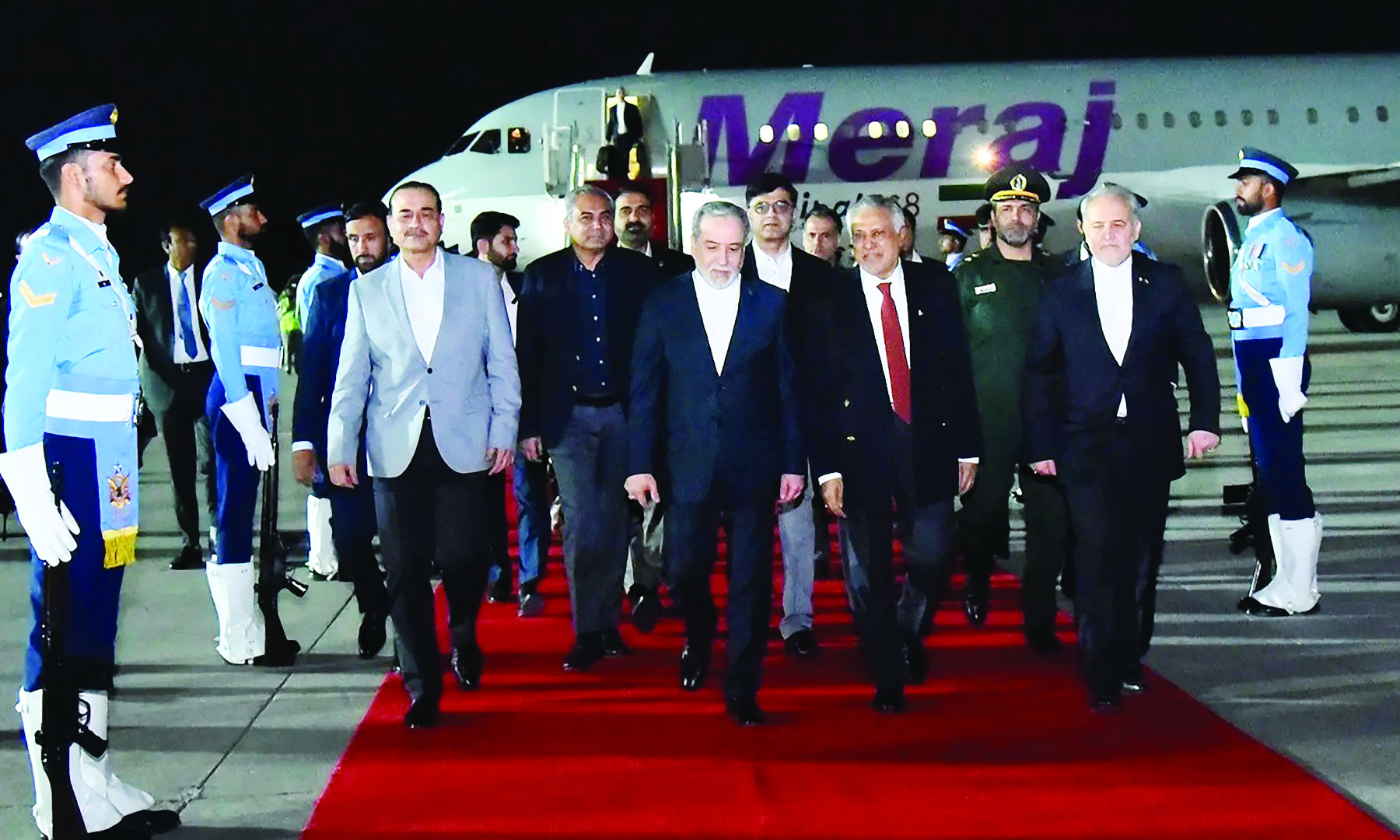
Pakistan’s effort to mediate between Iran and the United States is a positive step, though limited. However, questions remain about its credibility as a mediator due to internal political instability. A country struggling with internal balance and justice may find it difficult to gain full trust internationally.
Reports suggesting U.S. consultation with Israeli leadership during negotiations also raise concerns about impartiality. Although ceasefire announcements have been made, continued military activity near the Strait indicates the situation is still fragile.
The economic fallout of this conflict extends beyond the region. Any disruption in oil supply could increase global inflation, placing additional pressure on already struggling economies. Iran’s demand that neighboring countries avoid facilitating external aggression highlights the sensitivity of regional alliances. Pakistan’s earlier “Absolutely Not” stance remains significant in this regard.
At the same time, domestic celebratory gestures over diplomatic efforts appear premature. As Imran Khan once stated, war is not a solution—dialogue is. Yet, the lack of dialogue in internal political matters reflects a clear contradiction.
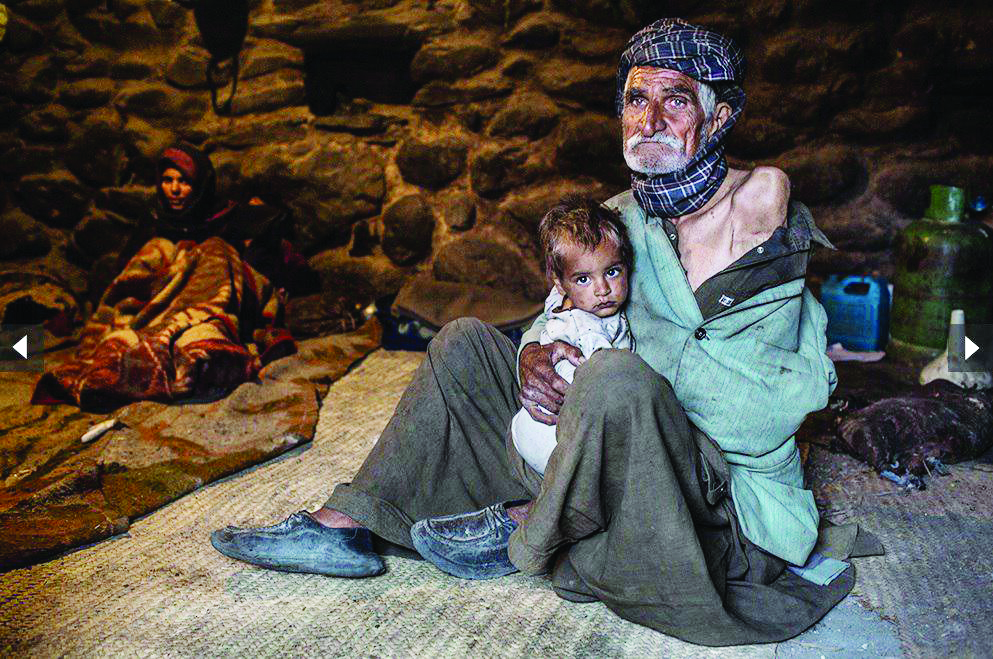
Meanwhile, Israeli actions in Lebanon have led to a humanitarian crisis, raising fears of further escalation. The role of global powers remains crucial. While some European nations advocate peace, China’s support for Iran adds another dimension to the situation.
Ultimately, the world faces a critical moment. Mixed signals—calls for peace alongside military build-up—only worsen tensions. Sustainable peace can only be achieved through dialogue, justice, and mutual respect.
With reports of possible new negotiations, there is cautious hope, but the coming days will be decisive in determining whether the situation moves toward de-escalation or further conflict.
We all know that War itself is a problem—
How can it offer solutions?
What do you think?
That man can have nothing but what he strives for.