













Although the Gulf region and the Middle East have been engulfed in war, tension, and uncertainty since February 28, 2026, the situation has now entered its third month, leaving the entire world increasingly anxious and disturbed. Announcements of ceasefires followed by repeated violations, constantly changing political statements, and contradictory policies of global powers all indicate that the international order is rapidly moving toward instability.
Today, the world’s major powers appear more focused on protecting their own interests than promoting peace. Powerful nations are trying to maintain dominance by exerting pressure on weaker states, their resources, territories, and sovereignty. As a result, ordinary people are increasingly asking: if international courts, the United Nations, the OIC, and other global institutions are unable to stop wars and aggression, then what practical value do these institutions still hold?
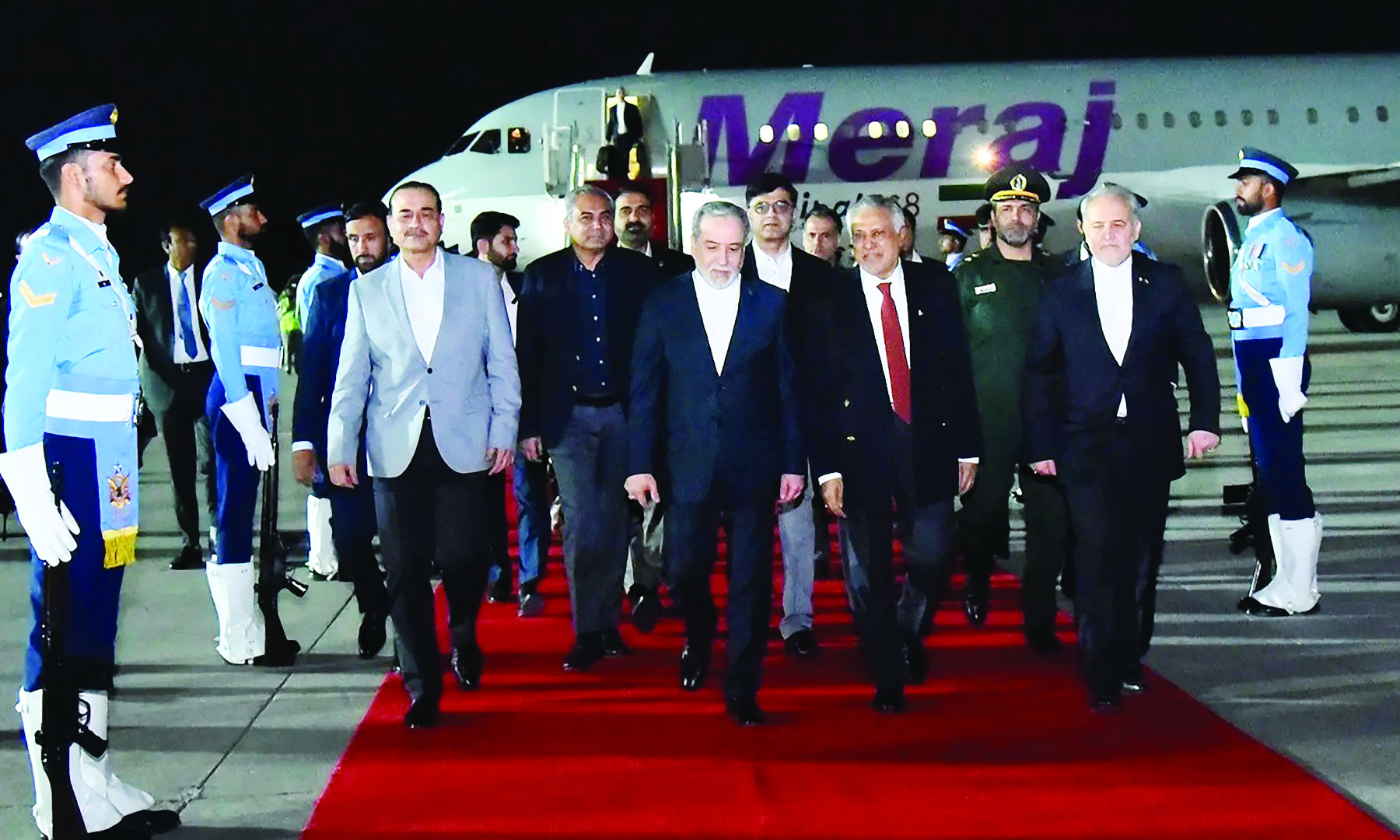
Iran views the ongoing conflict as a diplomatic and defensive success, yet it has not turned the situation into a source of celebration or arrogance. The Strait of Hormuz remains one of Iran’s most important strategic tools, enabling it not only to strengthen its defense but also to build diplomatic coordination with countries such as Russia, China, Pakistan, Turkey, Saudi Arabia, and others. This is one reason Iran does not appear to be in a hurry for an immediate ceasefire.
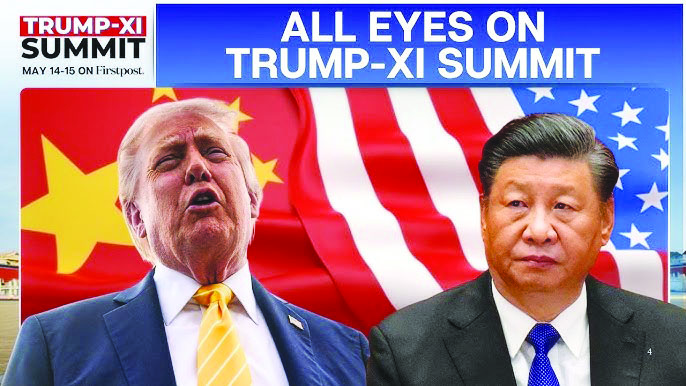
On the other hand, the United States and its allies seem to be under increasing political and economic pressure because of the war. Repeated statements by the American president—sometimes changing several times within a single day—have caused severe fluctuations in global markets. Oil prices swing dramatically, sometimes crashing suddenly and at other times soaring sky-high. This uncertainty has affected economies worldwide. Rising prices of food, fuel, and basic necessities have made life increasingly difficult for ordinary people.
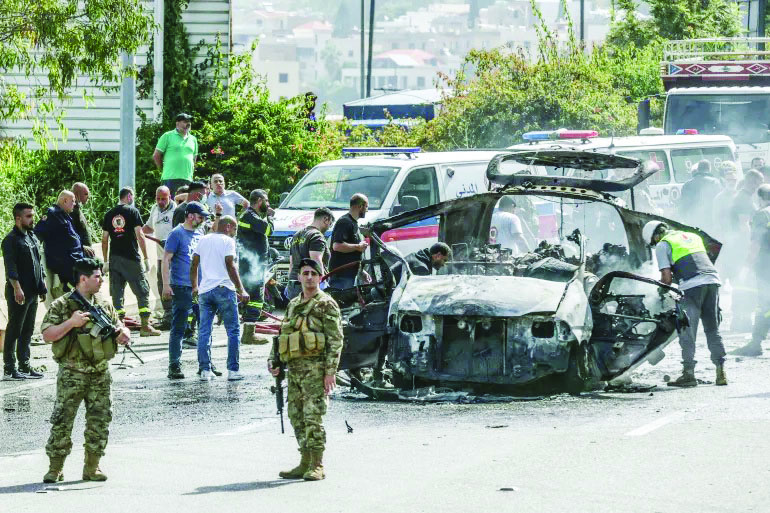
Ceasefires are beginning to look like a joke. Whenever a truce is announced, attacks often intensify instead. The recent situation in Lebanon is a clear example, where heavy shelling has continued despite declarations of a ceasefire. This raises a serious question: if ceasefires remain only paperwork, then where can hope for peace truly be placed?
This conflict is no longer limited to military fronts; it has also created new global alignments. On one side, the United Arab Emirates, Israel, and India appear to be forming a new alliance, while Saudi Arabia, Pakistan, Oman, and Qatar seem to be moving toward a separate diplomatic bloc. Only time will reveal how these divisions will shape the future of the Middle East and South Asia.
For Pakistan, the situation is highly sensitive and complicated. On one hand, Pakistan is trying to maintain diplomatic balance with the United States and other global powers, while on the other hand, it must also safeguard its own regional and domestic interests. Some observers believe that if Pakistan had allowed American forces to use its military bases in the past, Iranian missiles might today have been targeting those same locations. In this context, the “Absolutely Not” policy is viewed by some circles as a protective decision for Pakistan.
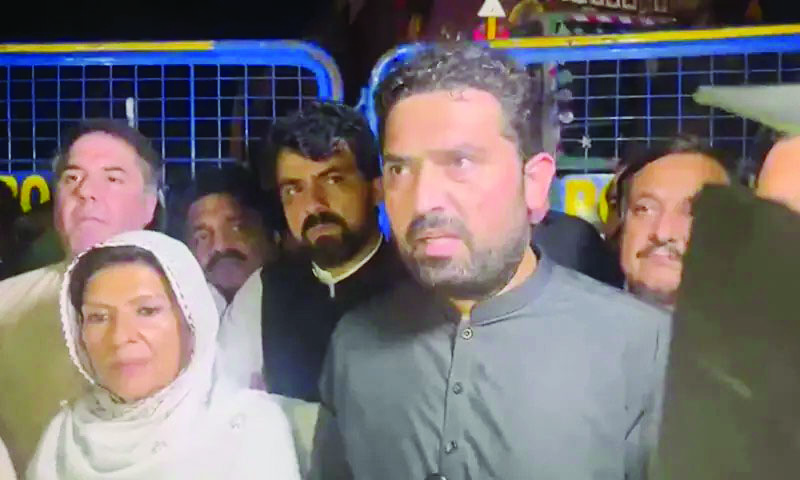
However, Pakistan must also consider that as a nuclear power, its defense program and nuclear capabilities may face growing international pressure in the future. In such circumstances, national unity, political stability, and a strong economy have become essential. Unfortunately, internal political tensions, the events of May 9, judicial disputes, and allegations of political revenge have further damaged the domestic environment. Nations are strengthened not merely by slogans, but by justice, stability, and national unity.
Pakistan’s economy is already under immense pressure. The condition of Pakistani expatriates living in Gulf countries, external debt, inflation, and unemployment remain major challenges for the country. Another important question is whether global powers have offered Pakistan any meaningful economic support in return for its mediating role.
Will Pakistan continue to face the familiar “Do More” demands that have never truly brought peace or stability to the country? If not, then Pakistan must seriously reconsider its path toward economic self-reliance.
Looking at the state of the world today, the countries most affected by war and instability are largely Muslim nations, including some of the wealthiest states. In light of these realities, it becomes clear that Muslim countries—including the Gulf states—must rely on their own resources for defense rather than expecting others to save them from the devastation of war. By the grace of God, these nations possess both wealth and talented people. What is needed is a shift away from individual interests toward collective welfare, and a sincere effort to build a peaceful and stable future together.
History shows that nations relying entirely on others for protection were ultimately abandoned, and the pages of history are filled with examples of their defeat. Victory belongs only to those nations that trust in their own strength and stand shoulder to shoulder against their enemies, whether on the battlefield or at the negotiating table.
Whether it is the events in Gaza or the conflict between the United States and Iran, these crises have made one thing clear: international institutions and powerful nations are primarily driven by their own interests. Institutions may issue statements, but effective action is rarely seen. Therefore, every country must ultimately ensure its own security.
Some intellectuals argue that Muslims are failing because they lack modern education and advanced technology, and that they must first acquire these before entering the global arena. While this argument sounds appealing, history demonstrates that wars are not won by education and technology alone; they are won through determination, courage, perseverance, and faith in Allah SWT “The destiny of nations lies in the hands of individuals; every person is a star in the fate of the nation.” A child standing in Gaza with nothing but a stone in his hand and confronting a tank is not merely attacking military machinery; he is breaking the idol of fear created by those tanks. If you recall, Imran Khan repeatedly emphasized in his speeches that nations can only progress and achieve their goals when they shatter the fear used to enslave and intimidate them.
If education and technology alone could liberate nations from oppression, then all highly educated and technologically advanced people would already be free—but that is clearly not the case. Do we not know whose talents and minds form the backbone of the world’s most developed countries today? Many of those brilliant minds were imported from less developed nations and their abilities utilized elsewhere. However, this is a separate discussion, and much more can be said on the subject.
The world now stands at a dangerous crossroads. If this cycle of war continues, its effects will not remain limited to the Middle East. The entire world could face economic collapse, political instability, and humanitarian crises. The time has come for global powers to rise above their narrow interests and prioritize peace, justice, and the protection of human lives. Otherwise, future generations may never forgive this silence.
What do you think?
It’s worth reflecting on.
“Waan Laysa Lil Insana illa ma’ sa’aa “
That man can have nothing but what he strives for.