











Here’s how the results compare to previous years .
While Elections Canada has yet to finish its count and release the official numbers, the agency is reporting a turnout of over 68 percent as of Tuesday evening.
By Abby O’Brien
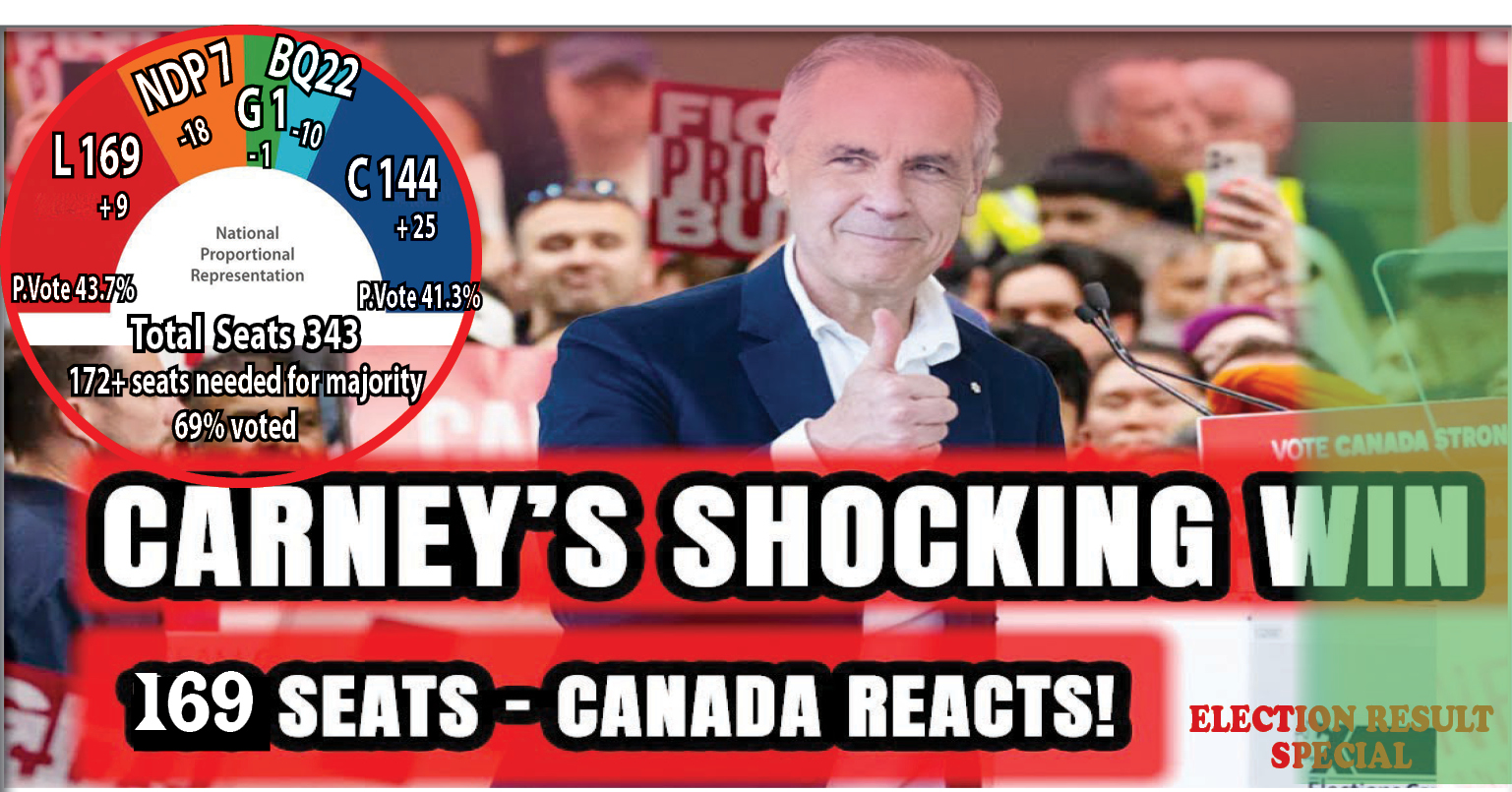
With just over 99 per cent of ballots counted, voter turnout in Canada’s 2025 federal election was the highest its been in more than 31 years. While Elections Canada has yet to finish its count and release the official numbers, the agency is reporting a turnout of 68.7 per cent as of 9 p.m. Tuesday.
That means more than 19.6 million Canadians cast a ballot in Monday’s election. The last time so many Canadians showed up to the polls was the 1993 federal election, which saw a turnout of 69.675 per cent. The last federal election, in September 2021, saw just under 63 per cent of eligible votes cast.
Clear distinctions between the Conservative and Liberal parties this year could explain that uptick, said Eric Merkley, assistant professor of political science at the University of Toronto.
“We had Poilievre moving the Conservative party to the right compared to where it was under Erin O’Toole,” Merkley said. “And on the Liberal side, Mark Carney was enough of a break from the past that I think it remobilized Liberal voters a bit.”
Often, voters turn out in higher numbers in what Merkley called “change elections” — in 2015, for example, when voters broke away from the Harper era and handed Justin Trudeau his first term, voter turnout neared 70 per cent.
“Voter turnout tends to go up when the stakes of an election are higher,” he said. “And of course, this year, we have the threat of Donald Trump and his tariffs.”
Even before the polls opened on Monday, a record-breaking number of voters had cast their ballots in the advance polls. Over three days, 7.3 million Canadians showed up to advance polls — a 25 per cent increase over the last federal election, when almost 5.8 million advance votes were counted. According to Elections Canada, about 28.5 million registered voters, not including voters who registered on Monday, had the opportunity to cast their ballots at more than 14,500 polling locations across the country.
So far this year, Prince Edward Island has recorded the highest voter turnout, clocking in at over 77 per cent. The lowest was in Nunavut, with just about 37 per cent of eligible voters casting their ballot.
2025 election results
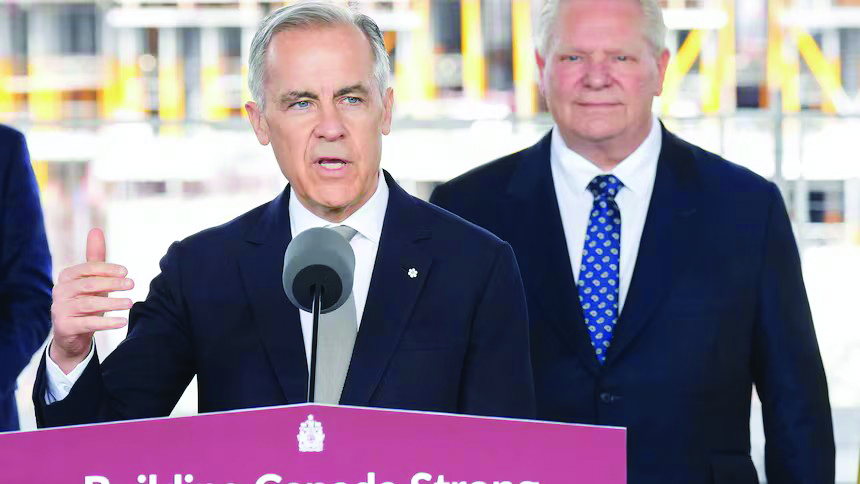
Late Tuesday afternoon, it was announced that the Liberals’ Mark Carney would form a minority government, with 169 ridings secured and just under 44 per cent of total votes. Speaking from Ottawa just after 1 a.m. on Tuesday, Carney promised to unite the country and “put an end to division” in his first speech as an elected Prime Minister. Acknowledging that millions of Canadians had voted against his Liberal party, he also promised his government would “work for and with everyone.”
The Conservatives, under leader Pierre Poilievre, managed to grow their number of seats from 120 when the election was called to 144. All told, they garnered just over 41 per cent of votes — the party’s largest share of the popular vote since 1988.
Poilievre, however, did not win his seat in the riding of Carlton, that he had represented since 2004. It was a disappointing night for the New Democratic Party, which had won or was leading in seven ridings as of early Tuesday afternoon — fewer than a third of the seats it held going into the election. Failing to win the required 12 seats, the NDP will lose its official party status.
Late Monday night, leader Jagmeet Singh, who finished third in his riding of Burnaby Central, announced he would step down once a new interim leader could be appointed. Source: thestar.com/politics.