

















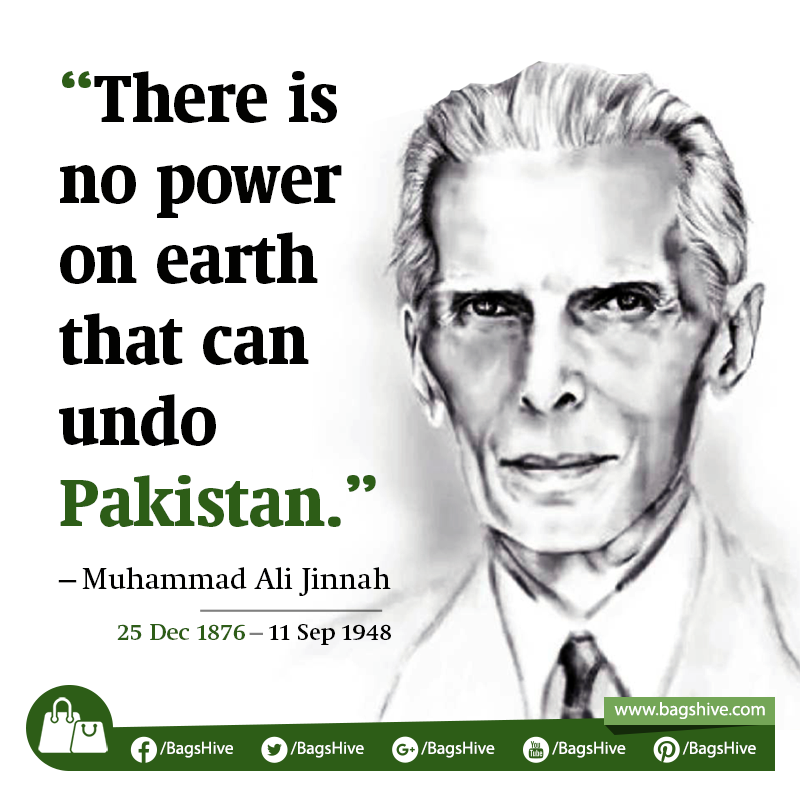
On 11 September 1948, Muhammad Ali Jinnah, the founder and first governor-general of Pakistan, died at his home in Karachi at the age of 71, after a prolonged tuberculosis. His state funeral took place on 12 September 1948.
He was succeeded by Khawaja Nazimuddin as governor-general.
Background
Jinnah smoking a cigarette Muhammad Ali Jinnah, the founding father of Pakistan, suffered from tuberculosis from the 1930s, a fact only known to a few close confidants, including his sister Fatima Jinnah. The severity of his condition was kept from the public due to concerns that it could undermine his political image and leadership. In a 1938
letter to a supporter, Jinnah downplayed his health problems, attributing his struggles to the exhaustion caused by his hectic schedule, stating, “You must have read in the papers how during my tours … I suffered, which was not because there was anything wrong with me, but the irregularities [of the schedule] and over-strain told upon my health”.[1][2] Despite his deteriorating health, Jinnah continued to lead the movement for the creation of Pakistan.
By the time of Pakistan’s independence in 1947, Jinnah’s health had significantly worsened. He was a heavy smoker, consuming up to 50 cigarettes a day for over 30 years, often accompanied by Cuban cigars, which contributed to his deteriorating physical condition. His health was marked by increasingly frequent rest breaks, especially during his last years in office. Jinnah worked relentlessly, at times with a tin of Craven “A” cigarettes on his desk and a box of Cuban cigars close by, even while seriously ill. Fatima Jinnah later wrote, “Even in his hour of triumph, the Quaid-e-Azam was gravely ill… He worked in a frenzy to consolidate Pakistan. And, of course, he totally neglected his health”…
In 1948, Jinnah’s condition became even more serious. In June of that year, he and Fatima Jinnah traveled to Quetta, in the cooler Balochistan region, in an attempt to recuperate. However, even in Quetta, Jinnah could not rest fully and continued his official duties. During this time, he addressed the officers at the Command and Staff College, stressing the importance of Pakistan’s security, stating, “You, along with the other Forces of Pakistan, are the custodians of the life, property, and honour of the people of Pakistan”.[5] This commitment to Pakistan’s future and its defense, despite his fragile health, became emblematic of his leadership style. Jinnah’s final public appearance took place on 1 July 1948, at the opening ceremony of the State Bank of Pakistan. He delivered a speech at the event before attending a reception hosted by the Canadian trade commissioner in honor of Canada’s Dominion Day. This was the last public event he attended.
By 9 September 1948, Jinnah had developed pneumonia, further complicating his already precarious condition. His doctors strongly recommended an immediate return to
Karachi, Upon arriving in Karachi that afternoon, Jinnah’s limousine was waiting for him on the tarmac. However, an unexpected delay occurred when the ambulance meant to transport him to Government House broke down. The ill and frail Jinnah, unable to sit up, had to wait in the oppressive heat for over an hour by the roadside for a replacement. The tragic irony of this moment was that numerous trucks and buses passed by without their passengers knowing that the nation’s founder lay dying by the side of the road. The replacement ambulance eventually arrived, and Jinnah was taken to Government House in Karachi over two hours after his plane had landed. Jinnah died later that evening at 10:20 p.m. on 11 September 1948, at the age of 71, just over a year after the creation of Pakistan. His passing was a devastating moment for the newly established nation, and his death marked the end of an era. The circumstances surrounding his final hours, including the delay in transport and his deteriorating health, underscored the immense physical toll that the stresses of leading a nation had taken on Jinnah.
Muhammad Ali Jinnah was laid to rest on 12 September 1948, the day after his death, amid a nation in mourning. His funeral became a historic event, with an estimated one million people gathering to pay their respects…
Source: en.wikipedia.org