











Capital Ottawa
45°24′N 75°40′W
Largest city: Toronto
Official languages
English & French
Demonym(s) Canadian
Government Federal parliamentary
constitutional monarchy
• Monarch
Elizabeth II
• Governor General
Mary Simon
• Prime Minister
Justin Trudeau
Legislature: Parliament
• Upper house: Senate
• Lower house
House of Commons
Independence from the
United Kingdom
• Confederation
July 1, 1867
• Statute of Westminster
December 11, 1931
• Patriation
April 17, 1982
Area
•Total Area :9,984,670 km2
(3,855,100 sq mi) (2nd)
• Water (%)
11.76 (as of 2015)[3]
• Total land area
9,093,507 km2
(3,511,023 sq mi)
Population
• Q1 2022 estimate
38,526,760[4] (37th)
• 2021 census
36,991,981
• Density: 4.2/km2 (10.9/sq mi) (185th)
GDP (PPP)2022 estimate
• Total
Increase $2.237tr (15th)
• Per capita
Increase $57,812 (24th)
GDP (nominal)2022
estimate
• Total Increase
$2.221 trillion(8th)
• Per capita
Increase $57,406 (14th)
Gini (2018) Positive
decrease 30.3medium
HDI (2019) Increase 0.929
very high · 16th
Currency Canadian dollar ($) (CAD)
Time zone:UTC−3.5 to −8
• Summer (DST)
UTC−2.5 to −7
Date format:
yyyy-mm-dd (AD)
Driving side: right
Calling code: +1
Internet TLD: .ca
Source: https://en.wikipedia.org/wiki/Canada

CITY Rank # (2021) Rank (2016) , Geographic name, Province, Type, Population (2021) Population in (2016)Change %
1:Toronto: (Ontario)
CMA (census metropolitan area): 6,202,225- 5,928,040 +4.63%
2: Montreal: Quebec
CMA 4,291,732- 4,104,074 +4.57%
3 : Vancouver – British Columbia CMA 2,642,825-2,463,431 +7.28%
4: Ottawa–Gatineau Ontario Quebec
CMA 1,488,307- 1,371,576 +8.51%
5: Calgary: Alberta CMA 1,481,806 – 1,392,609 +6.41%
6 : Edmonton -Alberta
CMA 1,418,118-1,321,441+7.32%
7: Quebec City: Quebec
CMA 839,311 806,406 +4.08%
8: Winnipeg: Manitoba
CMA 834,678 7- 83,099+6.59%
9: Hamilton: Ontario
CMA 785,184 747,545 +5.04%
10: Kitchener:–Cambridge–Waterloo Ontario CMA 575,847-523,894 +9.92%
11: London: Ontario
CMA 543,551- 494,069 +10.02%
12: Halifax: Nova Scotia
CMA 465,703 426,932 +9.08%
13: St. Catharines–Niagara-Ontario CMA 433,604 406,074 +6.78%
14: Windsor: Ontario CMA 422,630 398,718 +6.00%
16: Victoria: British Columbia CMA 397,237 – 367,770 +8.01%
17: Saskatoon: Saskatchewan
CMA 317,480- 295,095 +7.59%
18: Regina: Saskatchewan
CMA 249,217 – 236,695 +5.29%
20: Kelowna: British Columbia CMA 222,162- 194,892 +13.99%
22: St. John’s Newfoundland and Labrador
CMA 212,579 208,418 +2.00%
23: Abbotsford:–Mission, BC
CMA 195,726 – 180,518 +8.42%
35: Nanaimo: British Columbia CMA 115,459 – 104,936 +10.03%
36: Kamloops: British Columbia CMA 114,142 103,811 +9.95%
37: Chilliwack: British Columbia CMA113,767- 101,512 +12.07%
110: Yellowknife: Northwest Territories: CMA 20,340-19,569 +3.94%
140: Prince Rupert: B.C
Source: https://en.wikipedia.org/wiki/Ca
History of Canada Day
Canada’s national holiday is
celebrated on July 1.
Canadians across the country and around the world show their pride in their history, culture and achievements. It’s been a day of celebration, where many festivities are held across the country, since 1868.
The Creation of Canada Day
July 1, 1867: The British North America Act (today known as the Constitution Act, 1867) created Canada.
June 20, 1868: Governor General Lord Monck signs a proclamation that requests all Her Majesty’s subjects across Canada to celebrate July 1.
1879: A federal law makes July 1 a statutory holiday as the “anniversary of Confederation,” which is later called “Dominion Day.” October 27, 1982: July 1, “Dominion Day” officially becomes Canada Day.
The Celebrations Start
July 1, 1917: The 50th anniversary of Confederation. The Parliament buildings, under construction, are dedicated to the Fathers of Confederation and to the courage of Canadians who fought in Europe during the First World War.
July 1, 1927: The 60th anniversary of Confederation. The Peace Tower Carillon is inaugurated. The Governor General at the time, Viscount Willingdon, lays the cornerstone of the Confederation Building on Wellington Street.
From 1958 to 1968: The government organizes celebrations for Canada’s national holiday every year. The Secretary of State of Canada is responsible for coordinating these activities. A typical format includes a flag ceremony in the afternoon on the lawns of Parliament Hill and a sunset ceremony in the evenings, followed by a concert of military music and fireworks.
July 1, 1967: The 100th anniversary of Confederation. Parliament Hill is the backdrop for a high-profile ceremony, which includes the participation of Her Majesty Queen Elizabeth II.
From 1968 to 1979: (with the exception of 1976): A large multicultural celebration is presented on Parliament Hill. This concert is broadcast on television across the country. The main celebrations (called “Festival Canada”) are held in the National Capital Region throughout the month of July. These celebrations include many cultural, artistic and sport activities and involve the participation of various municipalities and volunteer associations.
From 1980 to 1983: A new format is developed. In addition to the festivities on Parliament Hill, the national committee (the group tasked by the federal government to plan the festivities for Canada’s national holiday) starts to encourage and financially support the establishment of local celebrations across Canada. Start-up funding is provided to support popular activities and performances organized by volunteer groups in hundreds of communities. Interested organizations can make a request to the Celebrate Canada program.
1981: Fireworks light up the sky in 15 major Canadian cities, a tradition that continues today.
1984: The National Capital Commission (NCC) is given the mandate to organize Canada Day festivities in the capital.
2010: Festivities on Parliament Hill receive a royal treatment when Her Majesty Queen Elizabeth II and His Royal Highness the Duke of Edinburgh join the festivities to celebrate Canada’s 143rd anniversary.
2011: Their Royal Highnesses Prince William and Catherine, the Duke and Duchess of Cambridge, participate in Canada Day festivities on Parliament Hill on the occasion of Canada’s 144th anniversary.
2014: Canadian Heritage organizes the 147th Canada Day celebrations. As we approach Canada’s 150th anniversary in 2017, the government has given the Department the mandate to organize Canada Day festivities in the capital.
2017: A wide range of activities from coast-to-coast-to-coast are held to mark the 150th Anniversary of Confederation. Attending Canada Day for the first time, The Prince of Wales and The Duchess of Cornwall join in the festivities on Parliament Hill to mark this milestone anniversary with Canadians. Canada Day parades, fireworks and other
Source: canada.ca/en/canadian
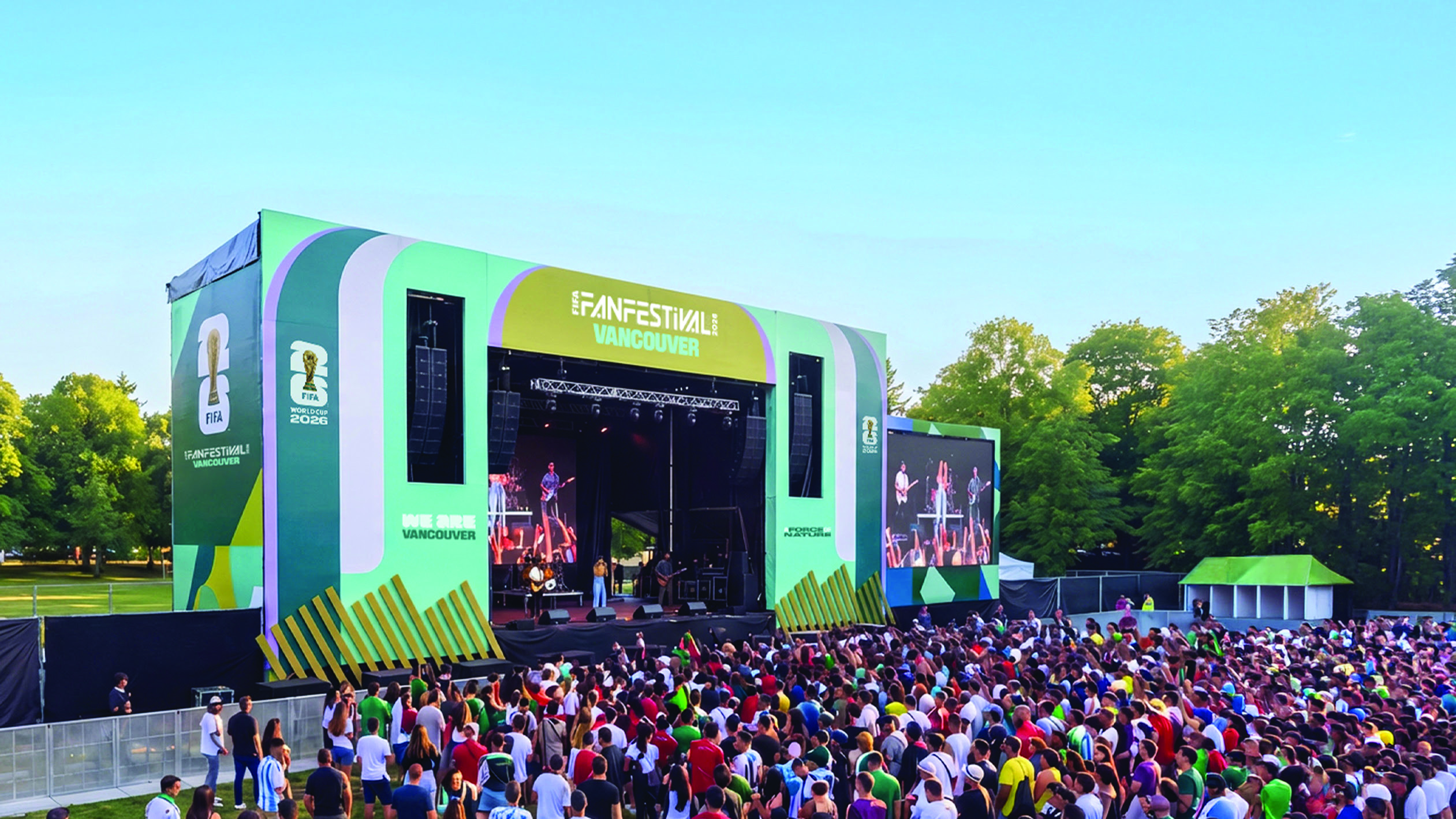
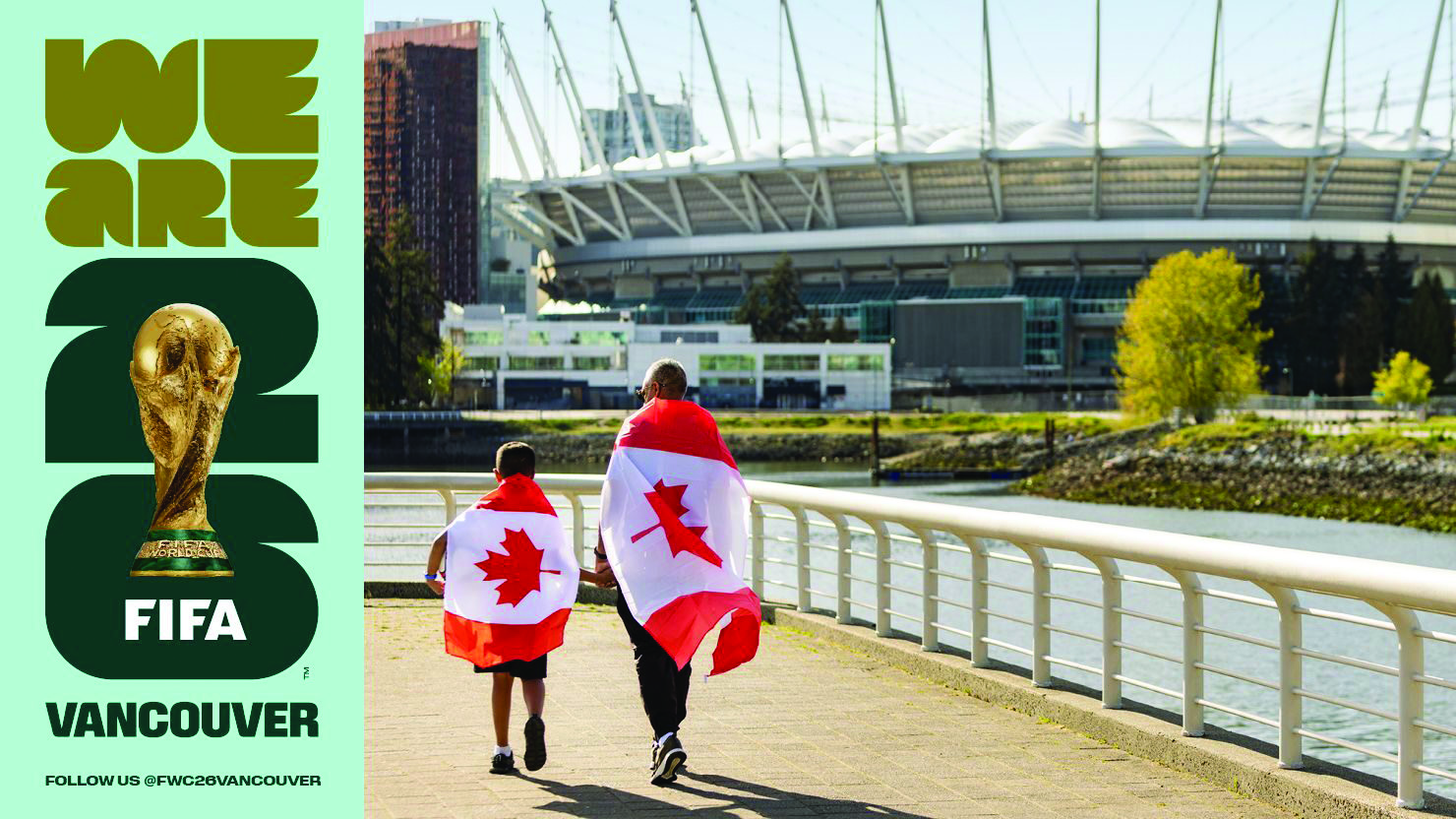
July 1st events happen in Vancouver, Steveston Village, North Vancouver and other locations. More top venues include Vancouver’s Canada Place, West Vancouver’s John Lawson Park, Surrey‘s Bill Reid Millennium Amphitheatre, Coquitlam’s Lafarge Lake, and the list goes on.
In addition to Canada Day celebrations, on the weekend of July 1st to 3rd in 2022 there are also other special events happening. The Royal Canadian International Circus is in town, for example. There are other events like the Taiwanese Canadian Cultural Festival on the same weekend. A number of Canada Day Boat Parties also happen on the July Long Weekend.
