














71% of those who died were aged 30-59, 77% were male; 197 lives were lost to drug toxicity in March alone. Almost 600 people in British Columbia died in the first three months of 2023 because of the toxic drug supply, according to preliminary data released by the B.C. Coroners Service on Tuesday.
The toll of 596 deaths is the second-highest number recorded for January to February since a public health emergency was declared in 2016 due to the crisis. The same period last year saw 599 deaths.
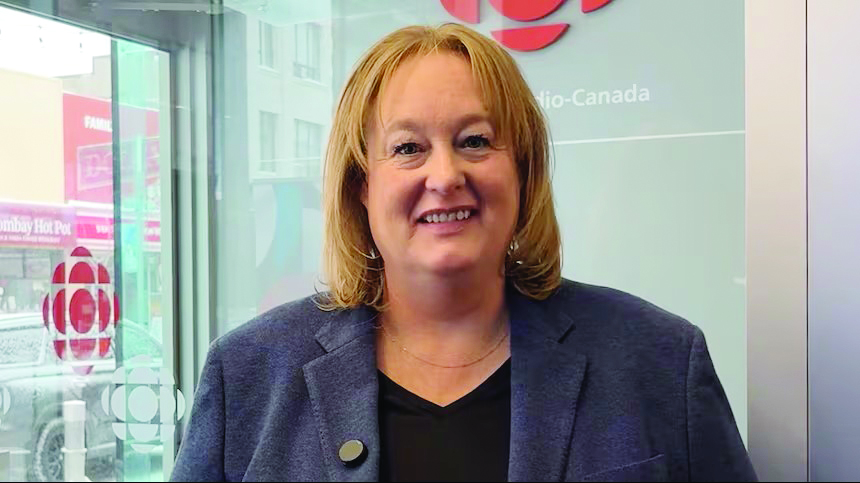
The latest figures released by the coroners’ service show illicit toxic drugs claimed 177 lives in February and 197 in March. “This is a crisis of incomprehensible scale, and I extend my deepest condolences to everyone who has experienced the loss of someone they loved,” said chief coroner Lisa Lapointe in a statement Tuesday.
Of those who died, 71 percent were between the ages of 30 and 59, and 77 percent were male — statistics that are similar to previous months. Drug toxicity continues to be the leading cause of unnatural death in B.C., the coroners’ service says, accounting for more deaths than homicides, suicides, motor vehicle incidents, drownings, and fire-related deaths combined. It means that at least 11,807 deaths have been caused by toxic drugs since the public health emergency was declared seven years ago. “The toxic drug crisis continues to devastate families and communities throughout the province, and I remain steadfast in my commitment to do everything possible to turn the tide and end this public health emergency,” said Minister of Mental Health and Addictions Jennifer Whiteside in a statement. Whiteside reiterated that the province’s 2023 budget includes more than $1 billion to improve mental health and addiction services, including new treatment and recovery beds.
Vancouver, Surrey, and Greater Victoria are the areas experiencing the highest number of drug toxicity deaths, according to the latest data. The highest rates of death in 2023 so far have been in the Northern Health region, at 60 deaths per 100,000 individuals, and in the Vancouver Coastal Health area (59 per 100,000). No additional deaths were recorded at overdose prevention sites in February and March. Only two instances have previously been reported — one in 2022 and one in January this year.
Source: cbc.ca/newsc
B.C. expands mental health, substance-use supports for more young people
More children, youth, and families will benefit from seamless mental health and substance-use services as B.C. expands Integrated Child and Youth (ICY) teams to seven additional school districts.
The new multidisciplinary teams are being added in Fraser-Cascade (Hope, Harrison, Agassiz), Kootenay-Columbia (Trail), Mission, Nanaimo-Ladysmith, Okanagan-Shuswap (Salmon Arm), Pacific Rim (Port Alberni) and Powell River school districts.
“Integrated Child and Youth teams make it easier for young people and their families to connect to the care they need, where and when they need it,” said Jennifer Whiteside, Minister of Mental Health and Addictions. “Integrated Child and Youth teams fill gaps and better co-ordinate mental health, wellness, and substance-use care in schools and in the community, making it easier for families to access the help their child needs.”
Source: news.gov.bc.ca
