




















 By Harpreet Singh
Canada’s Federal Election: Understanding the Liberal Victory and Conservative Defeat
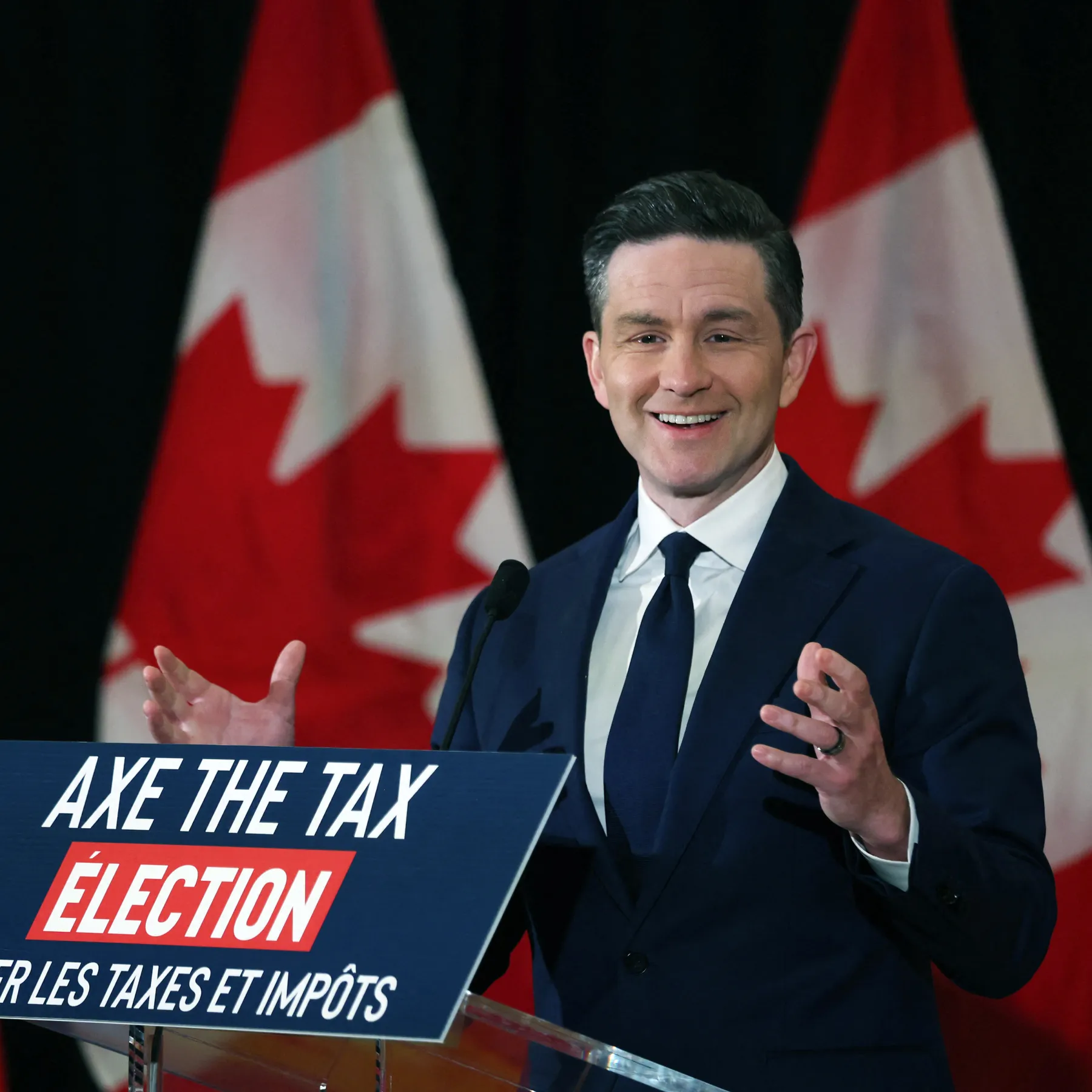
Victory and defeat are fundamental parts of the democratic process, and I congratulate all those who emerged victorious in this federal election. However, the way the Conservative Party, led by Pierre Poilievre, lost this election is both surprising and telling. Not long ago, they held a double-digit lead in the polls. Yet when it came time to cast ballots, Canadians made a different choice. This shift was not just the result of Conservative missteps, but also a reflection of the Liberals’ strategic approach.
On the Conservative side, several factors contributed to their unexpected downfall:
1. Arrogance at the Top: Poilievre and his close circle projected overconfidence, behaving as though they had already formed government. This created a sense of entitlement that turned off many voters and party workers.
2. Marginalizing True Conservatives: The party sidelined long-time grassroots members in favour of newcomers who joined due to favorable polls. This alienated the party’s traditional base and created internal divisions.
3. Unwelcome Interference: Senior party figures and some MPs, particularly from Alberta, were reported to be interfering in local ridings, leading to confusion and resentment on the ground.
4. Flawed Nomination Process: Candidate selections were often mishandled, with nominees unfamiliar with core party values or policy. Many were simply not prepared to face national scrutiny.
5. Disconnected Leadership: The party leadership seemed increasingly out of touch with the everyday concerns of Canadians. Issues that mattered locally were often ignored in favour of ideology-driven messaging.
6. Trump-style Rhetoric: Poilievre’s rhetoric echoed that of Donald Trump—something that worried moderate and undecided voters. Many Canadians were turned off by the prospect of divisive, American-style politics taking root here.
7. Negative-Only Campaigning: Rather than offering a forward-looking vision, the Conservatives focused heavily on attacking the Liberals. Voters wanted solutions, not just criticism.
8. Internal Sabotage: Disgruntled Conservative nominees and volunteers, feeling ignored or betrayed, quietly worked against the party’s own candidates in some ridings—further weakening campaign
efforts.
9. Fear of a Poilievre Administration: Many Canadians, including immigrants and urban voters, were uneasy about what a Poilievre-led government might look like. Concerns about cuts to social programs, aggressive posturing, and his style of leadership pushed them away.
On the other hand, the Liberals managed to not only hold their ground but gain momentum through several key advantages:
1. Strategic, Focused Campaigning: The Liberals ran a disciplined, targeted campaign—focusing their resources on key battleground ridings and voter blocs, especially in urban centers.
2. Framing the Election as a Choice: By portraying the vote as a choice between stability and uncertainty, the Liberals cast doubt on Poilievre’s leadership while presenting themselves as the safer, more experienced option.
3. Appeal to Centrist Voters: The Liberals successfully positioned themselves as the moderate alternative, drawing support from Canadians who didn’t fully align with the NDP or Conservatives.
4. Stronger Ground Game: Liberal organizers had better local outreach in crucial ridings—mobilizing volunteers, door-knocking, and connecting with communities, especially among immigrant and women voters.
5. Social Policies and Progressive Branding: Their platform on healthcare, climate change, and affordability resonated with many Canadians, especially in multicultural urban areas where these issues are front and center.
6. Vote Splits Working in Their Favor: In several ridings, vote-splitting between the Conservatives, NDP, and Bloc Québécois allowed Liberal candidates to come through the middle and win with small but crucial margins.
7. Mark Carney Factor: The international credibility and economic experience of Mark Carney reassured Canadians that the Liberals were still capable of offering stable leadership to Donald Trump in the U.S.
8. Trudeau’s Enduring Appeal: Despite criticism, Justin Trudeau still commands loyalty from a key segment of the electorate, particularly among immigrants, and progressives who appreciate his inclusive tone and global standing.
9. Trump united Canadians against him. It is also a major cause of the NDP’s decimation. People knew that the NDP would never be in charge so their supporters went for the Liberals .
In conclusion, this election was more than just a political contest—it was a referendum on leadership styles, party discipline, and national vision. The Liberals won not only because of their strengths, but because the Conservatives misread the mood of the country. If the Conservatives are to recover, they must rebuild trust from the grassroots, listen to the ground realities, and present a united, positive, and inclusive vision for Canada’s future.
There is much work to be done by Mark Carney now and hopefully he stands up to what he promised and the common Canadian gets some respite from the various challenges being faced by them .


An Open Letter of Thanks to President Trump
“It may be dangerous to be America’s enemy, but to be America’s friend is fatal.”
Dear Mr. President,
In my earlier letter dated January 13, 2025, I addressed you as “President-elect,” as you had not yet assumed office. I also introduced myself as a personal admirer and
urged you to regard Canada as a respectful neighbor and a steadfast ally—worthy of dignity and consideration.
Today, I write to you again, now addressing you as President, and continue to acknowledge certain attributes of leadership that I admired in you, as previously
expressed. However, this letter is not one of endorsement—but one of gratitude, for not heeding my earlier advice.
Thank you, Mr. President, for not offering respect to Canada, its elected leaders, or its people as citizens of a sovereign nation.
Your dismissive remarks—referring to Canada as the “51st state,” mockingly calling our former Prime Minister “Governor Trudeau,” and the imposition of harsh tariffs—have inadvertently
united Canadians across political lines. Your provocations have awakened a national spirit that had long been dormant.
Before the federal election held on April 28, 2025, the Liberal Party held 152 seats in the House of Commons, down from 160 in the 2021 election—a reflection of
declining support. Yet, contrary to most projections of a Conservative landslide, the Liberals surged to secure 169 seats, forming a strong minority government— just three short of a majority. This remarkable comeback was, in no small part,
galvanized by your administration’s rhetoric and actions toward our country.
Prime Minister Carney has signaled a strategic shift in Canada’s approach to its relationship with the United States. Carney aims to reduce reliance on American
imports and renegotiate trade terms to safeguard Canada’s sovereignty and prosperity. This stance is a direct response to your protectionist policies and annexation rhetoric.
With this renewed mandate, Prime Minister Mark Carney’s government is expected to adopt a more assertive stance in international relations, particularly concerning
trade and sovereignty issues with your country. The minority status of the Liberal Party may necessitate collaboration with other parties to advance legislation, but the election results indicate a clear mandate from Canadian voters to assert national interests in the face of external pressures.
Let me be also clear: I do not regard Pierre Poilievre or his supporters as less Canadian. But the Conservative Party under his leadership suffered a significant loss largely because many Canadians viewed it as being ideologically aligned with
your brand of politics.
At this juncture, I am reminded of a quote widely attributed to Henry Kissinger: “It may be dangerous to be America’s enemy, but to be America’s friend is fatal.”
For many Canadians, this quote has never felt more relevant.
Mr. President, in closing, I once again urge you—respectfully—to abandon the notion of annexing Canada, imposing economic punishments, or treating us as if we were subjects of a lesser God. Let us instead strive to build a relationship based on mutual respect, shared values, and sovereign equality.
Let wisdom guide your decisions—for the well-being and prosperity of both our nations.
Sincerely,
Sqn. Ldr. (Retired) Nusrat Hussain
Founding Editor: The Miracle (British Columbia’s
(First Muslim Newspaper)
Author: The Last Salute