













Political scientists weigh in on what 2025 election could have looked like
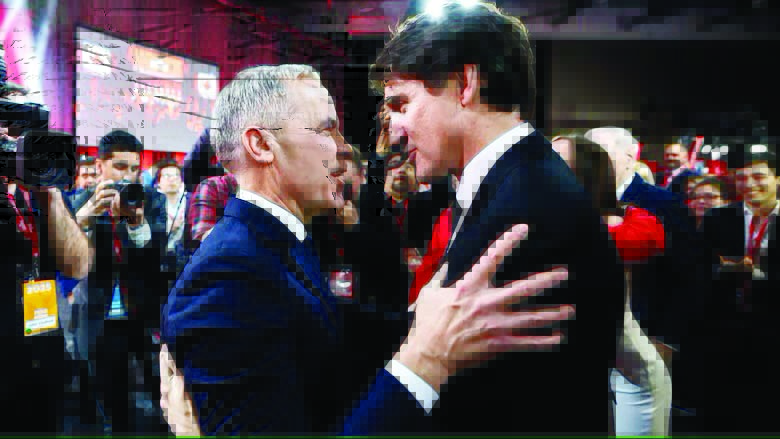
Looking back on his time as prime minister, Justin Trudeau said that abandoning his promise of electoral reform was his biggest regret. “Particularly as we approach this election … I do wish that we’d been able to change the way we elect our governments in this country, so that people could choose a second choice or a third choice on the same ballot,” Trudeau said after announcing his resignation in January, seeming to support a ranked ballot that would let voters pick their preferred candidates in numerical order.
“Parties would spend more time trying to be people’s second or third choices, and people would be looking for things they have in common, rather than trying to polarize and divide Canadians against each other.” In such a system, also called “alternative vote,” if one person didn’t get a clear majority on the first count, second-choice votes would be counted until someone got more than 50 per cent support.
Dennis Pilon, a political science professor at York University in Toronto who studies electoral reform, says the results would not have been as devastating for the smaller parties, particularly the NDP, who were clobbered by strategic voting efforts.
Pilon uses the B.C. riding of Nanaimo–Ladysmith as an example: NDP incumbent Lisa Marie Barron fell to Conservative Tamara Kronis, who had just 35.2 per cent of the vote. Meanwhile, the Liberals, NDP and Greens combined for 64.4 per cent.
“The reason that we saw such a decline for both the Greens and the NDP has less to do with public judgments about their efficacy or desirability as parties, and everything to do with the kind of straitjacket that people felt they were put into, in terms of the strategic [voting] dilemma that they faced,” Pilon said. Source:cbc.ca/news/politics