











UAE signalling intent to pursue independent economic policies and reshape Gulf oil politics.
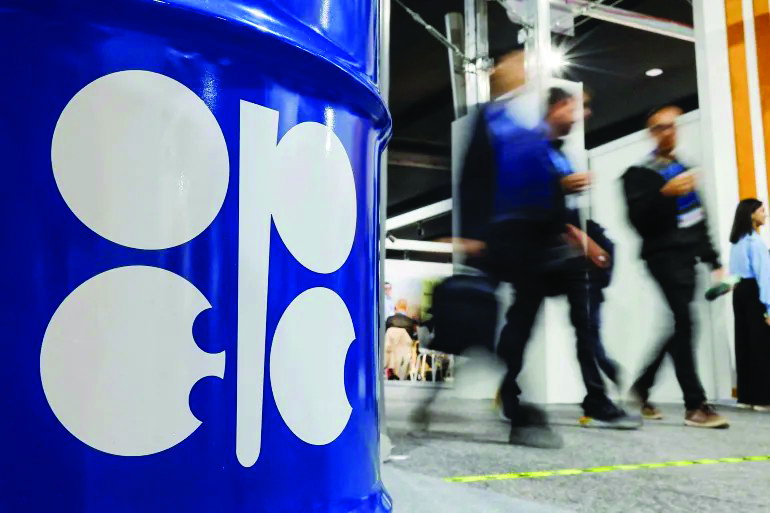
After decades of membership, the United Arab Emirates has decided to quit the oil producers’ group, OPEC, in order to focus on “national interests” and forge its own path, it has said. The move is seen as a major blow to the Vienna-based oil cartel – but will not spell the end of it altogether, observers say.
The UAE’s decision to quit comes after years of open
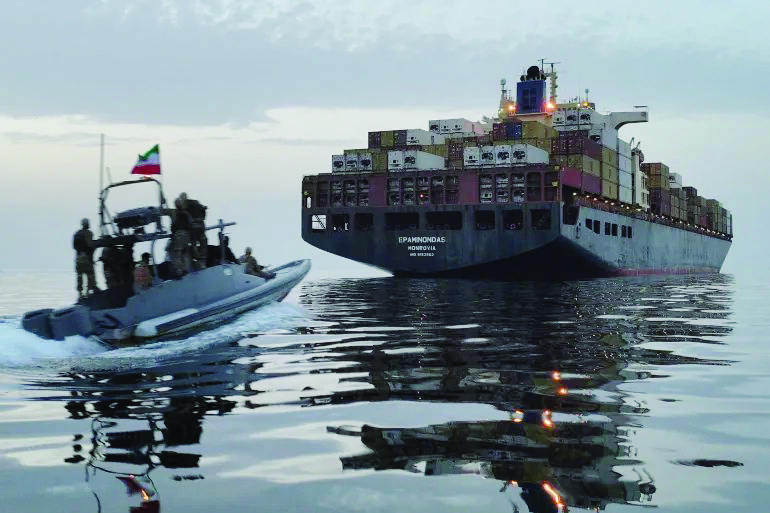
dissatisfaction with the oil cartel’s policy of capping members’ production as a way to control prices and stabilise the market. The country has invested billions of dollars in increasing its oil production capacity from 3 to 5 million barrels per day (bpd) by 2027. As it has grown its ability to produce more oil, it has demanded a larger quota than has been assigned to it.The moves also come at a particularly tricky moment as the region, and the rest of the world, grapples with an energy crisis triggered by the US-Israel war on Iran, which began on February 28. Tehran responded by hitting back at Israel, US military assets and other infrastructure in Gulf countries. It also closed off most access to the Strait of Hormuz, through which 20 percent of the world’s supplies of oil and liquefied natural gas (LNG) are shipped from Gulf producers. Before the start of the war, the UAE’s production capacity had grown to 4.8 million bpd, but under its OPEC agreement, it was only allowed to produce 3.2 million bpd. Experts say its departure from the cartel is unlikely to have an immediate impact on the market because the UAE’s exports, like those of all its neighbouring countries, are currently constrained by Iran’s control of the Strait of Hormuz.
Source: aljazeera.com/news