












PM says he and premiers are working to strengthen Canada as negotiations continue.
The prospect of Canada reaching a trade deal with the United States by the Aug. 1 deadline appears uncertain, with Prime Minister Mark Carney insisting his government will only sign new agreement if there is one worth signing.
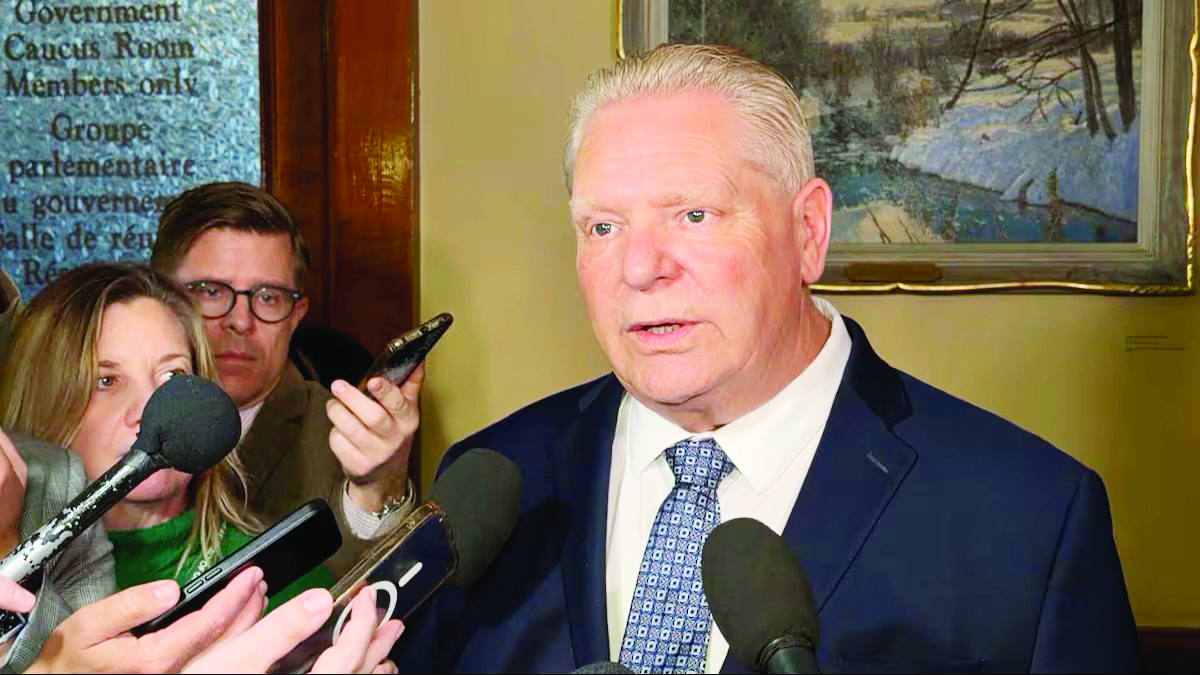
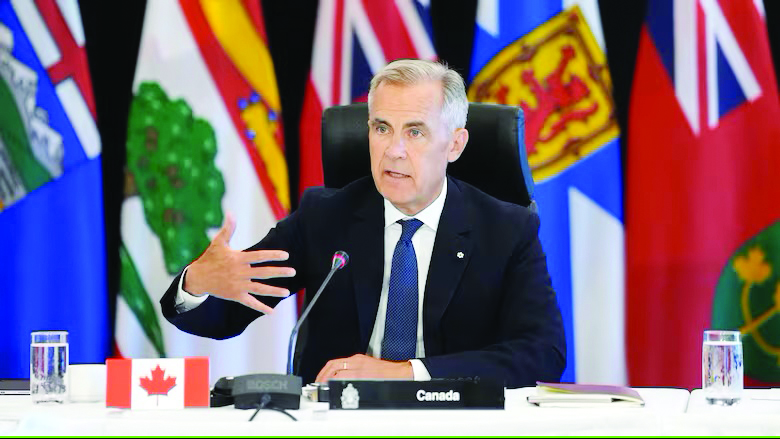
“The Government of Canada will not accept a bad deal,” Carney said in French in Huntsville, Ont., Tuesday. “Our objective is not to reach a deal whatever it costs. We are pursuing a deal that will be in the best interest of Canadians.” When it comes to the prospect of reaching a deal, Carney said “we’ll see” and that “complex negotiations” continue. He said if there isn’t a deal that works for Canada, his government will “take stock” and consider what to do next. The prime minister made the remarks after dropping into the first ministers’ meeting in Ontario’s cottage country, where he briefed Canada’s premiers on the government’s trade discussions with the Trump administration. Ontario Premier Doug Ford is hosting the premiers for three days of meetings to discuss their own response to the trade war U.S. President Donald Trump launched against Canada.
Carney said that a good deal would reinforce the country’s long-standing and successful trading relationship with the U.S. while not preventing Canada from expanding the country’s relationships around the world.
“Our phone is ringing off the hook from other countries that want to do more with Canada,” Carney said.
“I’ve had over 80 bilaterals with world leaders since I became prime minister. A number of the premiers have been on major trade missions. We have other things to do,” he said.
Nova Scotia Premier Tim Houston said after meeting with Carney that he isn’t dead set on signing a deal by the deadline — he wants the best deal for Canada regardless of how long it takes.
Houston said he still hopes that is possible and has “tremendous confidence in the prime minister and the team that is representing us as Canadians.” Carney arrived in Muskoka on Monday evening to have dinner with the premiers at Ford’s cottage, after spending the day hosting a bipartisan delegation of U.S. senators in Ottawa.
Before he went into his meeting with the premiers, Carney said Canada’s economic response to Trump’s tariffs so far is built on two tracks: supporting affected industries, such as lumber, steel, auto manufacturing and aluminum production; and ensuring Canada’s economy grows by breaking down internal trade barriers and quickly approving major projects. Approving projects like ports, pipelines and mines will be easier now that Bill C-5, or the One Canadian Economy Act, has become law.
With that, Carney said Tuesday morning, comes “a shift in attitude” from the federal government, moving from “why build, to how to build — and how to work together in order to build.”
Carney said his new federal projects office will be open by Labour Day, which he said will provide a single point of contact for provinces, companies and communities looking to get major nation-building projects approved. Source: cbc.ca/news/politics