





















By: Trbanik
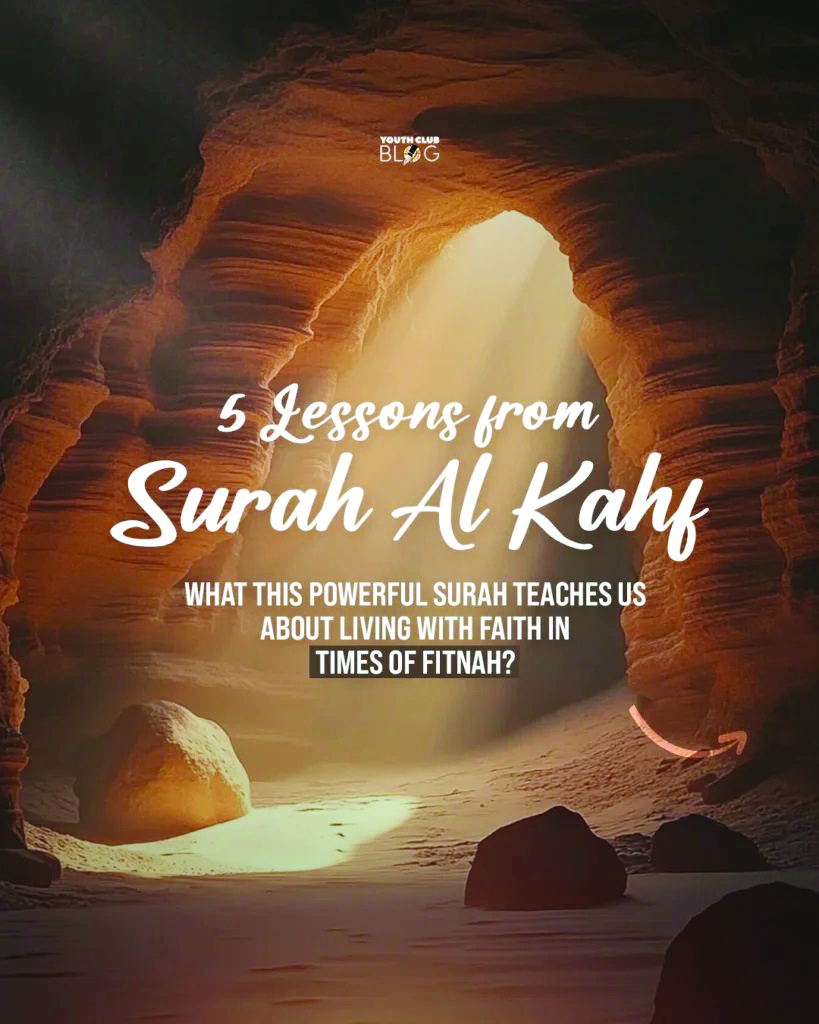
Work, responsibilities, and endless distractions often leave little room for reflection and renewal. Yet, Islam gives us timeless practices that bring peace and guidance even in the busiest times. Among these is the regular recitation of Surah Al Kahf, a chapter of the Quran filled with lessons that go beyond history and speak directly to the heart. When practiced with consistency, Surah Al Kahf can transform your spiritual routine into something deeper and more fulfilling. It is not only a chapter for recitation but also a chapter for reflection, protection, and growth. Let’s look at how this Surah can change your spiritual practice and enrich your life.
A Weekly Light for the Believer
One of the most well-known practices connected to the Kahf Surah is reciting it on Fridays. Many Muslims look forward to this weekly habit because of the blessings associated with it. It is described as a source of light, a reminder that
brightens not only the day but also the days to come.
This “light” can be seen as guidance in our daily struggles. Life is full of choices, challenges, and temptations. Having a practice that renews your connection with Allah every week gives you direction and strength. It acts as a reset button, helping you step into the new week with clarity and peace of mind.
Stories That Shape Your Faith
The power of Surah Al Kahf lies in its stories. Each story teaches lessons that apply to every generation. The People of the Cave remind us about standing firm in faith even when society does not support us. The man with two gardens shows the danger of arrogance and reliance on wealth. The journey of Musa with Khidr teaches patience and trust in Allah’s wisdom. Dhul-Qarnayn’s story highlights justice and the responsibility of power.
These lessons are not abstract—they touch our daily lives. Whether you are facing pressure at work, struggling with patience, or tempted by material success, these stories encourage you to refocus on what truly matters. By reflecting on them, your faith becomes stronger, and your choices begin to align with higher values. Protection from Trials and Temptations
Every believer knows that life comes with tests. Some are small, like daily frustrations, while others shake the very foundation of our faith. The recitation of the Kahf Surah serves as a shield. Islamic tradition connects it with protection against the greatest trial, that of the Dajjal. Reciting the first ten or last ten verses is considered a safeguard from his temptations.
But beyond this, the Surah protects you from smaller, everyday trials. It constantly reminds you of the temporary nature of this world. Success, money, fame, or power—none of these lasts forever. When you understand this message deeply, worldly temptations lose their hold on you. You begin to focus on what is eternal: your faith and your relationship with Allah.
Building Resilience and Patience
Life often tests our patience. We face disappointments, delays, and challenges that shake our spirits. Surah Al Kahf builds resilience through its stories. For example, the tale of Musa and Khidr is not just about knowledge; it is about learning patience when you do not understand Allah’s plan.
This reminder is powerful in today’s world, where we expect instant answers and quick solutions. Sometimes, we cannot see why things happen. The Surah teaches us to trust the process, trust
Allah’s wisdom, and practice patience. This resilience transforms your spiritual practice, making you calmer and stronger in the face of difficulties.
Deepening Your Connection with Allah
Reciting Surah Al Kahf regularly opens the door to deeper reflection. Instead of reciting without thought, you start to engage with its meaning. You ask yourself: What lesson does this hold for me?
How does this apply to my current life situation?
This reflection leads to a closer relationship with Allah. It is no longer about reading words; it becomes a conversation between you and your Creator.
You begin to feel guided, supported, and cared for in ways that give you strength for daily living.
When your spiritual practice includes such depth, prayer becomes more heartfelt, du’a becomes more sincere, and the Quran becomes more alive in your heart.
A Habit That Brings Peace
Many people describe the recitation of the Kahf Surah as bringing peace to their homes and hearts. It is more than just a tradition; it is an experience of tranquility. When recited, it calms the mind and reminds the believer of Allah’s mercy.
Imagine ending a busy week by sitting down, opening the Quran, and reciting this Surah. It becomes a spiritual pause, a moment of silence in a noisy world. Over time, this habit not only strengthens your faith but also gives you peace and balance in life.
Steps to Bring Surah Al-Kahf into Your Practice
If you want Surah Al Kahf to truly transform your spiritual routine, the key is consistency. Here are a few ways to bring it into your life: Dedicate time on Fridays, even if only a part of the day, to reciting it.
Reflect on one story at a time, and think about how it applies to your current life.
Encourage your family members to join you, making it a shared act of worship.
Memorize the first ten or last ten verses and keep them in your daily prayer routine.
These small but steady steps will make the Surah a part of your life, not just a weekly ritual.
Transforming Your Spiritual Journey
The transformation offered by Surah Al Kahf is not about dramatic changes overnight. Instead, it is about gradual growth. Each week, with every recitation, you gain light, protection, patience, and a deeper bond with Allah. Over time, this adds up to a stronger, calmer, and more purposeful spiritual life.
It is a reminder that Islam is not just about rituals; it is about building resilience, wisdom, and a heart that is always connected to Allah. Surah Al Kahf gives us the framework to do just that.
Final Thoughts
In a world that pulls us in many directions, the Quran gives us anchors that keep us steady. Surah Al Kahf is one of those anchors. It lights your path, shields your heart, and deepens your relationship with your Creator. By making it a consistent part of your spiritual practice, you invite peace, resilience, and guidance into your life.
Source: aljumuah.com
What is Sharia Law?  Sharia, or Sharia law, is the Islamic legal system derived from the Quran and the Hadith. In linguistic terms, Sharia refers to a water source, which is the source to which people who want to drink come, so they drink from it and fill their buckets, and perhaps bring their animals to drink from it as well.
The Arabs do not call a water source Sharia unless the water is flowing without interruption, and is visible and can be seen.
In Sharia terminology, Shariah refers to the entire religion (Islam), which Allah has chosen for His slaves to bring them forth thereby from the depths of darkness into the light. It is what He has prescribed for them and what He has explained to them of commands and prohibitions, halal (lawful) and haram (unlawful).
Whoever follows the Sharia of Allah, regarding as permissible (halal) that which He has permitted and regarding as forbidden (haram) that which He has prohibited, will triumph.
Whoever goes against the Sharia (laws) of Allah has exposed himself to divine vengeance, wrath and punishment.
Allah, may He be exalted, says in the Quran (interpretation of the meaning): “Then We put you, [O Muhammad], on an ordained way [Sharia] concerning the matter [of religion]; so follow it and do not follow the inclinations of those who do not know” (Quran 45:18)
Due to Islamophobia and the false reports in the media, Sharia has been referred exclusively to the penal code yet the penal code only makes up around 15% of Sharia law.
Sharia deals with many topics, including crime, politics, and economics, as well as personal matters such as sexual intercourse, hygiene, diet, prayer, everyday etiquette and fasting. Adherence to Sharia has served as one of the distinguishing characteristics of Islam. In short, Sharia is the infallible law of God. “This day I have perfected your religion for you, completed My favour upon you, and have chosen for you Islam as your religion (Way of Life).”
Qur’an Surat al-Maidah 5:3
Source: allahsword.com/