













By: ”Khadija Nadeem,
18 years old”
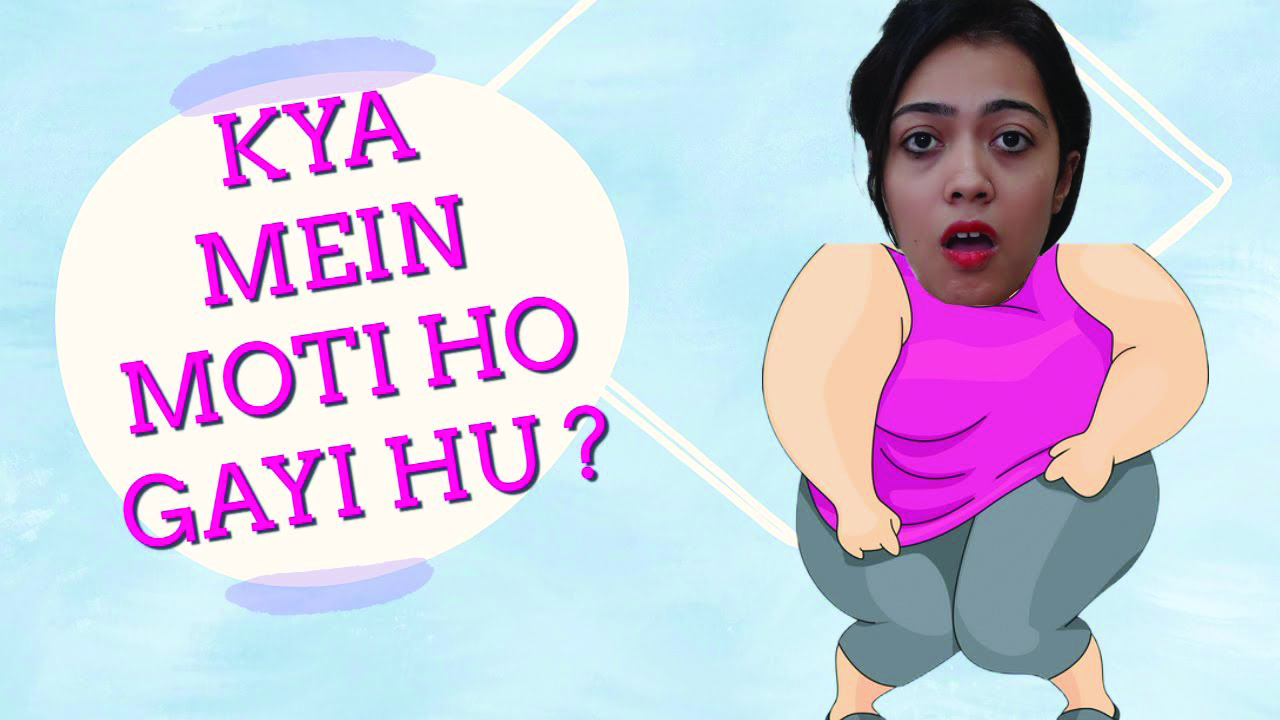
“Moti ho gayi ho” is a phrase many Pakistani women have heard – at weddings, family dinners, or even casual phone calls. In the diaspora, the words may be spoken with a chuckle or masked in concern, but they carry the same sting.
For many Pakistani Canadians, especially women, body image struggles and diet culture don’t stay back home – they travel with us.
Growing up in a Pakistani household often means hearing mixed messages: eat more to show you’re loved but also don’t get “too fat” or you’ll be judged. These comments are often normalized under the umbrella of care or tradition. But what happens when these beliefs follow us to Canada, a country with its own conflicting ideals of beauty, wellness, and body image?
In BC, Pakistani immigrants are exposed to both cultures, Desi ideals rooted in thinness and “presentability” and western diet trends focused on weight loss, “clean eating” and gym culture.
Instead of freeing us from scrutiny, migration often compounds the pressure. Social media adds another layer – Instagram influencers promoting juice cleanses, calorie counting, or “glow up” body transformations all blurring the line between health and vanity.
It is important to understand where these ideas come from.
In South Asian cultures, a thinner body has long been associated with discipline, self-control, and even social status. In contrast, gaining weight, especially for women, is linked to laziness or shame, regardless of underlying causes like stress, health conditions, or lifestyle transitions.
Here in Canada, Pakistani women juggling full-time jobs, household duties, and caregiving roles often don’t have the time or support to cook traditional meals daily, exercise consistently, or priorities their
own wellbeing. Yet, when they return to community spaces – masjids, Eid parties, WhatsApp groups they may still face the same outdated commentary.
The mental health implications are serious. Constant weight-based criticism can lead to anxiety, low self- esteem, and disordered eating. Young girls growing up in this cultural overlap often internalize the idea that their worth is tied to their appearance. As a community, we need to change the conversation. First, we must separate health from appearance. A person’s size is not an indicator of their health, and intentional weight loss is not always healthy or sustainable.
The emphasis should be on nourishment, energy, mobility, and mental peace. Not on fitting into a culturally ideal body.
We also need to challenge body-shaming at its source. If an aunty comments on someone’s weight, it’s okay to gently steer the conversation away. If a friend talks about skipping meals before a wedding, offer support without judgement. These small acts can help shift community norms over time.
Approaching body image and eating habits should come with cultural sensitivity. It’s not just about calories or BMI; its about the deep-rooted meanings we attach to food, weight, and womanhood.
Traditional Pakistani meals – like daal, sabzi, roti – are often nutrient-dense and nourishing when eaten in balance. Instead of promoting restrictive diets, our community should know that we can adapt familiar meals to meet modern needs!
For Pakistani women in Canada, reclaiming body autonomy is a powerful form of resistance.
It means listening to your body, fueling it with love and care and refusing to let anyone else define your worth by your waistline.
It means letting your daughters see you eat without guilt. It means shifting the narrative away from “Moti ho gayi ho”.