




















By: Hasan Rabbani Gr 9
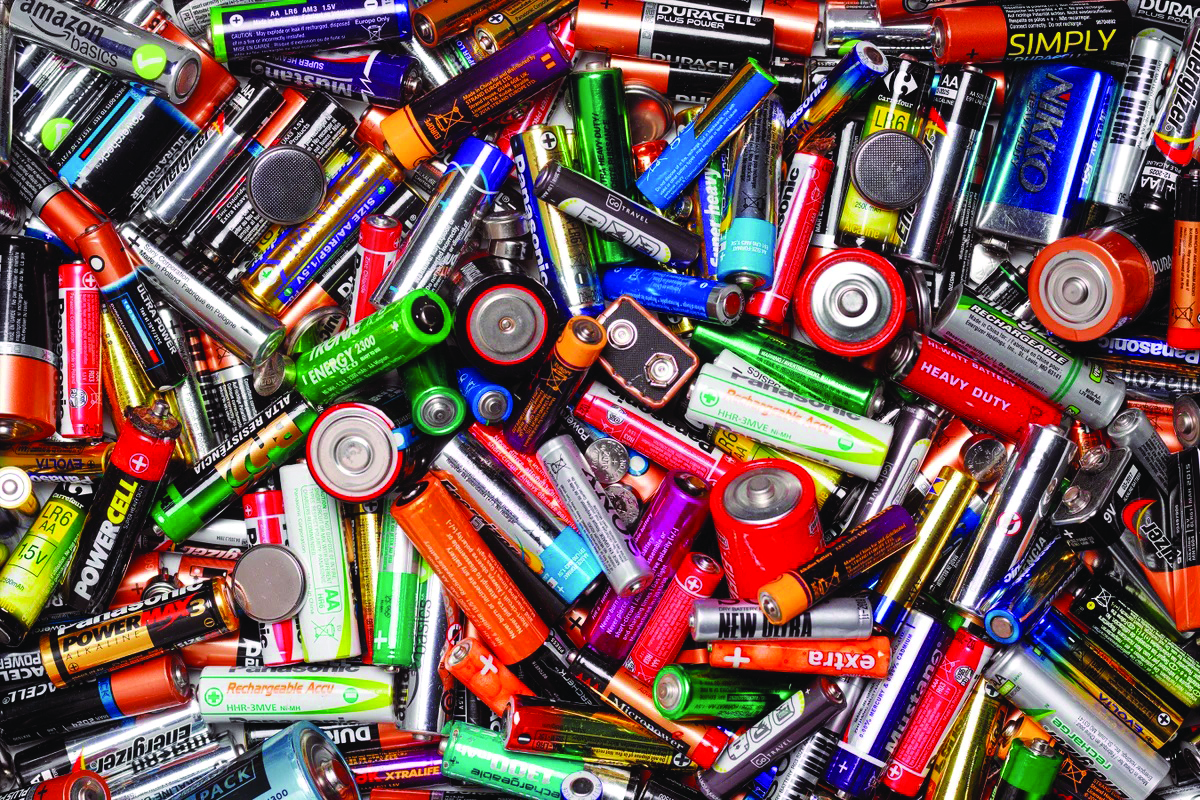
Batteries are the backbone of our society; they power our lives and every device we use. In 2024,the International Energy Agency reported that approximately 3 TWh of batteries were manufactured.
That’s enough energy to power 1 million homes for an hour! Going forward, we need more and more batteries for the various devices we make, as well as bigger, better, and more efficient batteries to improve our productivity. Scientists believe they’ve found the next level of batteries and are trying to
change how we make them for the better.
The batteries inside things like your phone, car, and maybe even your toothbrush are called lithium-ion batteries. They use the positive charges of lithium ions to store energy, but originally we used nickel and lead for the job that we have lithium do today. Original batteries had a lower energy density, meaning they stored less energy in the same space, had fewer charge cycles, charged more slowly, discharged faster, and couldn’t be used in small applications. It was a no-brainer choice to switch, so we shifted over to lithium-ion. The only downsides to lithium-ion batteries were that they would cost more and require a chip to regulate overcharging and deep discharge. Despite their many differences, nickel, lead, and lithium-based batteries all use a liquid electrolyte to transfer energy, typically potassium hydroxide.
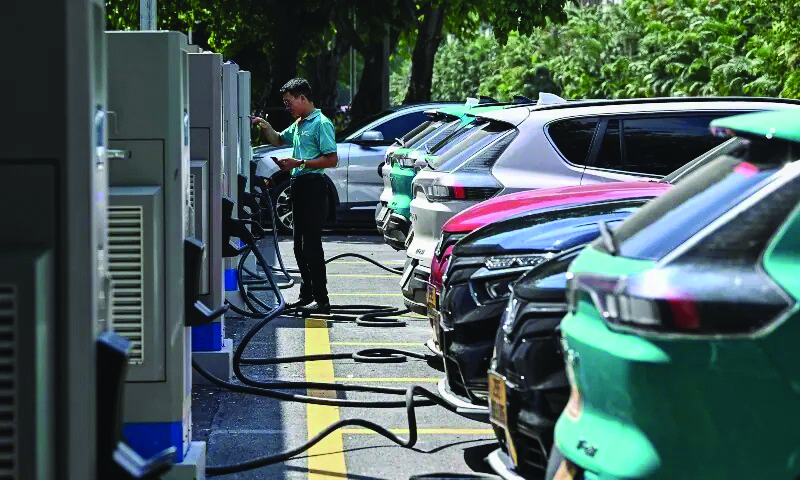
Solid-state batteries don’t use potassium hydroxide; instead, they use a solid-state electrolyte, as the name explains. They present the same pros and cons as the switch between nickel-based batteries and lithium-ion batteries did. Solid-state batteries run cooler than their lithium-ion predecessors, have a higher energy density, charge faster, and pose less risk of fire or combustion. They benefit both large and small applications. Electric cars, for example, will see monumental gains since solid-state batteries will be able to exponentially boost range on electric vehicles while also cutting down immensely on charging time, from 45 minutes to less than 12. Solid-state batteries are also more expensive at the moment, but as companies figure out design and manufacturing, their prices will only go down.
Solid-state batteries aren’t all good, though; there are a lot of issues with them at their current stage, surrounding the actual implementation, as well as how we get them.
A major issue scientists have encountered is a phenomenon called “electrical double layer.” This happens between the positive electrode and the solid-state electrolyte, and in simple terms, the battery loses efficiency, and some charge is lost. Solid-state batteries also don’t adapt to their environment; they work best when in their optimal conditions and struggle outside of them. Another issue is that the solid-state lithium can grow dendrites, in any direction and at any time, sharp enough to puncture other parts of the battery, like shards of a
crystal. Additionally, while solid-state batteries ignite less, their fires are more dangerous and violent.
Despite their numerous differences, both batteries still require lithium, and the effect lithium mining has on the earth and on our environment is dangerous. It poisons waters, destroys ecosystems and habitats of hundreds of species, and overall, it uses a lot of energy. Additionally, most lithium miners
work in abhorrent conditions. Workers are paid pennies, and some companies resort to forced and child labour, stopping at nothing to make a profit. Even miners who are legally employed rarely have adequate equipment and training to mine safely; many die trying to make a living for their families. Many locals also try to sneak into mines and steal things for themselves; for example, only 15% of approximately 1.5 million Zimbabwean miners are registered and have a permit. Undifferent across the world, as in China, companies use the Uyghurs and other minority Muslim groups for forced labour in their mining operations. This isn’t an issue related only to solid-state batteries but to mining itself, and it’s still a large issue that needs to be addressed.
While solid-state batteries may seem to be better than their current potassium hydroxide counterparts, they still have a lot more R&D before it’s worth it to start switching to them. They might charge faster, hold more charge, and be safer, but we don't know how to solve the electrical double layer
or how to stop dendrites from damaging the battery, and we don’t know what might happen or how performance might degrade after extensive use or after a long time. We don’t fully understand the implementation of solid-state batteries or their limitations. We are still strangers to solid-state batteries,
and until we know more about them, it’s too dangerous to implement them and risk hurting others.