





















As the archrivals halt hostilities after a dramatic four days of fighting, analysts discuss whether either gained an upper hand.
By: Abid Hussain
Islamabad, Pakistan – Four days after a May 10 ceasefire pulled India and Pakistan back from the brink of a full-fledged war following days of rapidly escalating military tensions, a battle of narratives has broken out, with each country claiming “victory” over the other. The conflict erupted after gunmen killed 26 civilians in Pahalgam, in Indian-administered Kashmir, on April 22. A little-known armed group, The Resistance Front (TRF), initially claimed responsibility, with India accusing Pakistan of backing it. Indian Prime Minister Narendra Modi promised retaliation, even though Pakistan denied any role in the attack.
After a series of tit-for-tat diplomatic measures between the neighbours, tensions exploded militarily. Early on the morning of May 7, India fired missiles at what it described as “terrorist” bases not just in Pakistan-administered Kashmir, but also four sites in Pakistan’s Punjab province.
In the following days, both sides launched killer drone strikes at each other’s territory and blamed one another for initiating the attacks. Tensions peaked on Saturday when India and Pakistan fired missiles at each other’s military bases. India initially targeted three Pakistani airbases, including one in Rawalpindi, the garrison city which is home to the headquarters of the Pakistan Army, before then launching projectiles at other Pakistani bases. Pakistan’s missiles targeted military installations across the country’s frontier with India and Indian-administered Kashmir, striking at least four facilities.
Then, as the world braced for total war between the nuclear-armed neighbours, US President Donald Trump announced a ceasefire, which he claimed had been mediated by the United States. Pakistan express gratitude to the US, even as India insisted the decision to halt fighting was made solely by the two neighbours without any third-party intervention.
Since the announcement, both countries have held news conferences, presenting “evidence” of their “achievements”. On Monday, senior military officials in India and Pakistan spoke by phone, pledging to uphold the ceasefire in the coming days.
However, analysts say neither side can truly claim to have emerged from the post-April 22 crisis with a definite upper hand. Instead, they say, both India and Pakistan can claim strategic gains even as they each also suffered losses.
Planes down may be Pakistan’s gain
India claimed that its strikes on May 7 killed more than 100 “terrorists”. Pakistan said the Indian missiles had hit mosques and residential areas, killing 40 civilians, including children, apart from 11 military personnel.
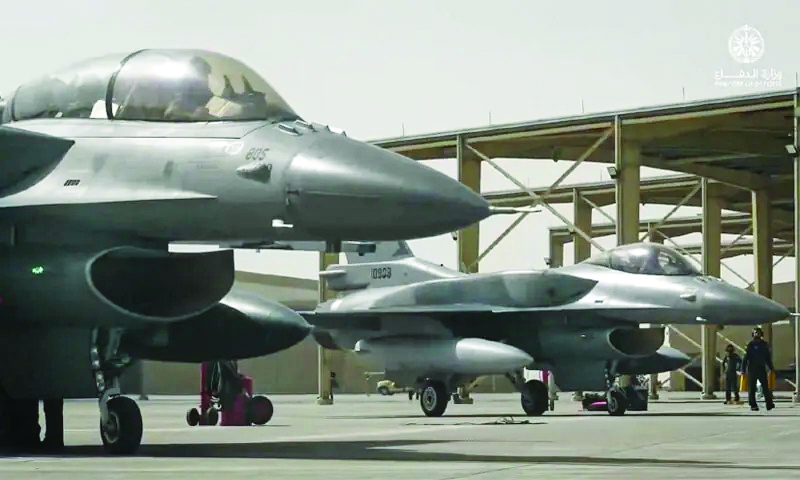
Islamabad also claimed that it scrambled its fighter planes to respond and had brought down multiple Indian jets.
India has neither confirmed nor denied those claims, but Pakistan’s military has publicly shared details that it says identify the planes that were shot down. French and US officials have confirmed that at least one Rafale and one Russian-made jet were lost by India. Indian officials have also confirmed to Al Jazeera that at least two planes crashed in Indian-administered territory, but did not clarify which country they belonged to.
With both India and Pakistan agreeing that neither side’s jets had crossed their frontier, the presence of debris from a crashed plane in Indian-administered territory suggests they were likely Indian, say analysts.
The ceasefire coming after that suggests a gain for Pakistan, Asfandyar Mir, a senior fellow at the Stimson Center in Washington, DC, told Al Jazeera. “Especially, the downing of the aircraft confirmed by various independent sources. So, it [Pakistan] may see the ceasefire as being better for consolidating that dividend.”.. Source: aljazeera.com/news