



















By: Khadija Nadeem, Surrey
Miracle’s contributor
Pakistan, like many developing nations, grapples with profound healthcare challenges that impact millions of its citizens daily. From inadequate infrastructure to limited access to essential services, these issues underscore a critical need for sustained efforts to improve healthcare delivery and outcomes across the country.
At the heart of Pakistan’s healthcare woes lies a fragmented infrastructure that struggles to meet the needs of its rapidly increasing population. Hospitals and clinics, particularly in rural areas, often lack adequate facilities, medical equipment, and trained personnel. The disparity between urban and rural healthcare facilities exacerbates inequalities in access to quality care, with many rural communities underserved and vulnerable. Investment in healthcare infrastructure remains crucial, yet it requires sustained funding and strategic planning to bridge the urban-rural divide. Modernizing healthcare facilities, enhancing medical education and training, and deploying technology for telemedicine initiatives could extend healthcare reach to remote areas, bolstering overall health outcomes nationwide.
Access to healthcare services in Pakistan is admittedly marred by financial barriers, geographic constraints, and socio-cultural factors. Many Pakistanis face financial hardship in accessing even basic healthcare, with out-of-pocket expenditures often driving families deeper into poverty.
Moreover, geographical remoteness and lack of transportation infrastructure further hinder access, particularly for marginalized populations. Efforts to expand access must prioritize equity and affordability. Initiatives such as government-sponsored health insurance schemes, community health centers, and mobile clinics have shown promise in reaching underserved populations. Collaborations between public and private sectors, along with international
partnerships, can help scale up these initiatives effectively.
Public health challenges in Pakistan are manifold, ranging from communicable diseases like tuberculosis and malaria to non-communicable diseases such as diabetes and cardiovascular disorders.
Maternal and child health remains a pressing concern, with high maternal mortality rates and childhood malnutrition prevalent in many regions. Additionally, the country faces
emerging threats like antimicrobial resistance and the impact of environmental degradation on public health. Addressing these challenges requires a comprehensive approach encompassing preventive measures, robust healthcare infrastructure, and effective disease surveillance
systems. Public awareness campaigns, vaccination drives, and investments in sanitation and hygiene infrastructure are critical components of a proactive public health strategy.
Despite formidable challenges, Pakistan has made strides in improving healthcare delivery and outcomes through targeted interventions and policy reforms. The governmentcommitment to universal health coverage, as outlined in the National Health Vision 2025, aims to provide
essential health services to all citizens. Initiatives like the Sehat Sahulat Program, which provides health insurance to vulnerable populations, and the expansion of Lady Health Worker
programs have expanded healthcare access in rural areas. Moreover, partnerships with international organizations and bilateral aid have bolstered Pakistan's healthcare sector, facilitating capacity building, infrastructure development, and disease control programs.
Collaboration between healthcare stakeholders, including government agencies, NGOs, healthcare professionals, and community leaders, is pivotal in sustaining these efforts and driving meaningful change.
As Pakistan navigates its healthcare challenges, a collective commitment to equity, accessibility,and quality must guide future endeavors. Sustainable investments in healthcare infrastructure, strengthened primary care services, and proactive public health measures are essential to
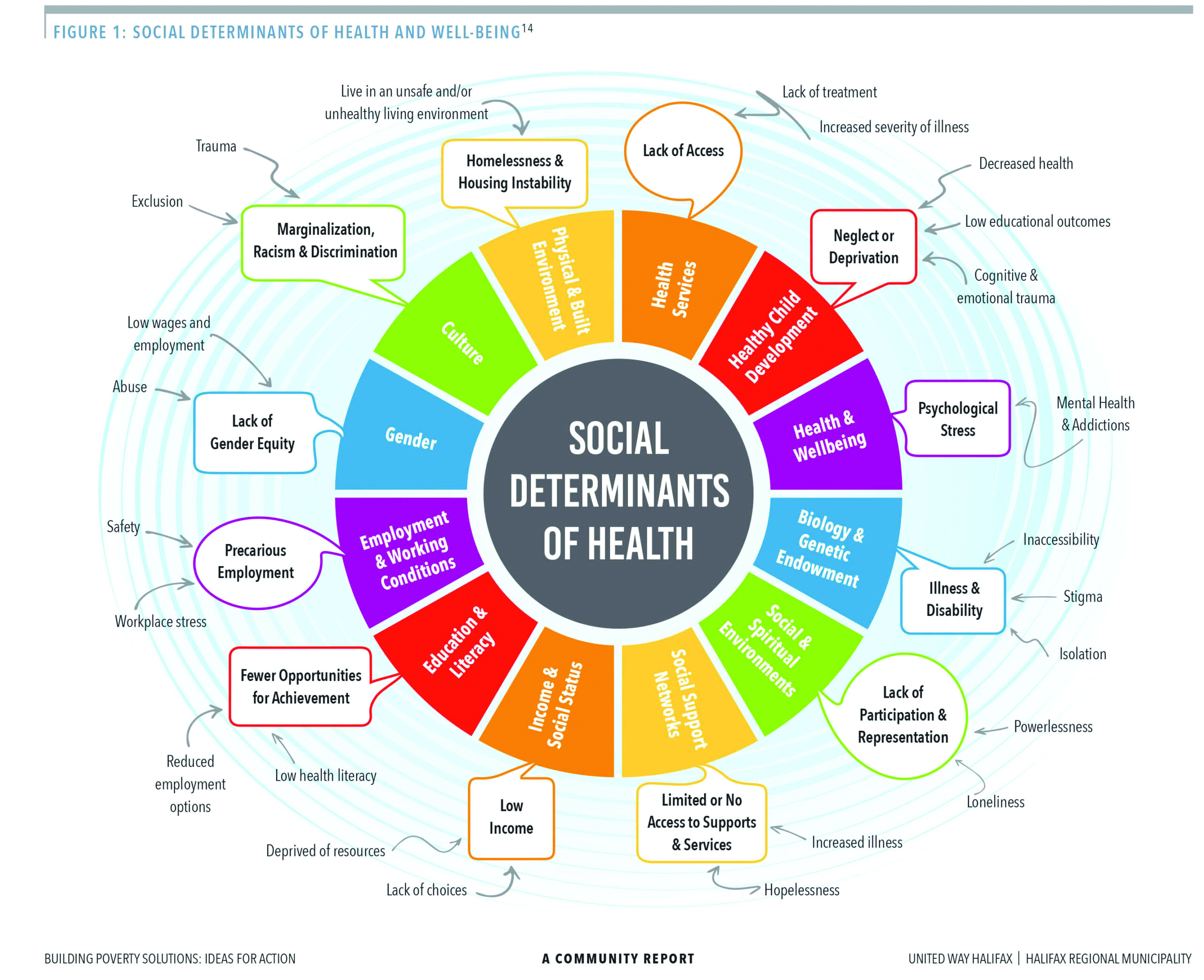
achieving better health outcomes for all Pakistanis. Addressing socioeconomic determinants, promoting health literacy, and fostering innovation in healthcare delivery are integral to building a resilient healthcare system capable of meeting evolving health needs.
Ultimately, the journey towards a healthier Pakistan requires steadfast political will, informed policy-making, and inclusive community engagement. By prioritizing health as a fundamental human right and investing in sustainable healthcare solutions, Pakistan can forge a path towards a future where every citizen has access to the care they need to lead healthy and productive lives.
In closing, let us envision a Pakistan where healthcare is not just a service but a cornerstone of national development—a beacon of hope and resilience for generations to come.
Wednesday, April 29, 2026