








1. Governance Structure
• Military Dictatorship:
*: Power is concentrated in the hands of one individual, usually a military general.
*: Parliament is often dissolved or sidelined.
*: Constitution is suspended or amended through Provisional Constitutional Orders (PCOs).
• Democracy:
*: Power is distributed among elected representatives.
*: Parliament plays a central role in lawmaking and governance.
*: Constitution remains active, with checks and balances among institutions.
2. Legitimacy
• Military Dictatorship:
*: Comes to power through coups, not public mandate.
*: Lacks democratic legitimacy but often seeks judicial validation or public referendums with limited transparency.
• Democracy:
*: Comes to power through elections, with a public mandate.
*: Legitimacy depends on free, fair, and transparent electoral processes.
3. Civil Liberties & Media
• Military Dictatorship:
*: Restrictions on freedom of speech, press, and political activism.
*: Media often censored or controlled by the state.
• Democracy:
*: Greater space for civil liberties and media freedom.
*: Media acts as a watchdog, although often faces pressure.
4. Judiciary and Rule of Law
• Military Dictatorship:
*: Judiciary may be influenced or reshaped to support military rule.
*: Courts have historically legitimized coups through the “Doctrine of Necessity.”
• Democracy:
*: Judiciary is (ideally) independent.
*: Rule of law is expected to prevail, though implementation may be inconsistent.
5. Foreign Relations
• Military Dictatorship:
*: Often seeks strong ties with powerful nations (especially the U.S., China, Gulf countries) for legitimacy and aid.
*: Foreign policy is security-oriented and controlled by the military.
• Democracy:
*: Broader foreign engagement based on trade, diplomacy, and public interest.
*: Civilian government shares foreign policy decisions, though the military often still plays a role.
6. Economic Management
• Military Dictatorship:
*: Short-term economic gains may occur due to foreign aid or stability.
*: Long-term institutional weakening and lack of accountability.
• Democracy:
*: Slower but more inclusive decision-making.
*: Subject to political instability but allows public scrutiny of economic policies.
7. Historical Context in Pakistan
• Military Rule Periods:
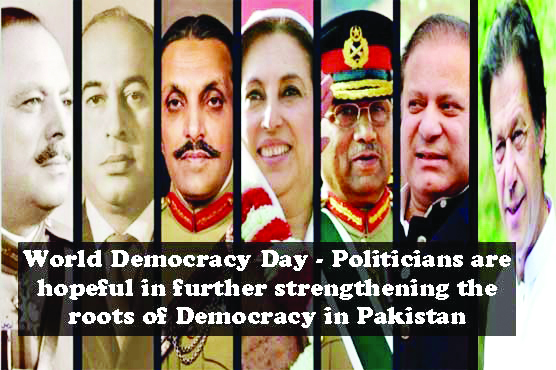
*: Ayub Khan (1958–1969)
*: Yahya Khan (1969–1971)
*: Zia-ul-Haq (1977–1988)
*: Pervez Musharraf (1999–2008)
• Democratic Periods:
*: Intermittent democratic rule
(1971–1977, 1988–1999, 2008–present)
*: Often marred by weak institutions, political rivalries, and civilian-military tensions.
Conclusion
While military dictatorships in Pakistan have claimed to bring stability and development, they often undermine democratic institutions, civil liberties, and long-term governance. Democracy, despite its flaws and challenges, remains the only system that allows citizen participation, accountability, and constitutional rule.
Source: AI