

















1. Immediate Health Impacts
Hundreds of civilians have been killed and thousands wounded in Iran and neighboring regions due to airstrikes and missile attacks. Many of the casualties include children and non-combatants, leading to severe trauma and overwhelmed hospitals.
Health facilities in major cities like Tehran have been damaged, forcing evacuations and disrupting critical medical care for the injured and sick.
2. Healthcare System Strain
Hospitals and medical centers are facing unprecedented pressure with incoming mass casualties, shortages of medical supplies, and infrastructure damage. Emergency and specialized care including for newborns — has been disrupted by nearby explosions and healthcare disruptions.
3. Mental Health Crisis
Conflict zones typically see a significant rise in mental health disorders, including anxiety, depression, and post-traumatic stress disorder (PTSD). According to the World Health Organization, war exposure increases risk of these conditions dramatically across affected populations.
Loss, displacement, constant fear, and limited access to mental health services exacerbate long-term psychological trauma.
4. Indirect Effects on Children and Vulnerable Populations
Strikes affecting civilian areas, including a girls’ school and residential neighborhoods, have caused deaths and injuries of children, adding to psychological trauma and long-term health consequences.
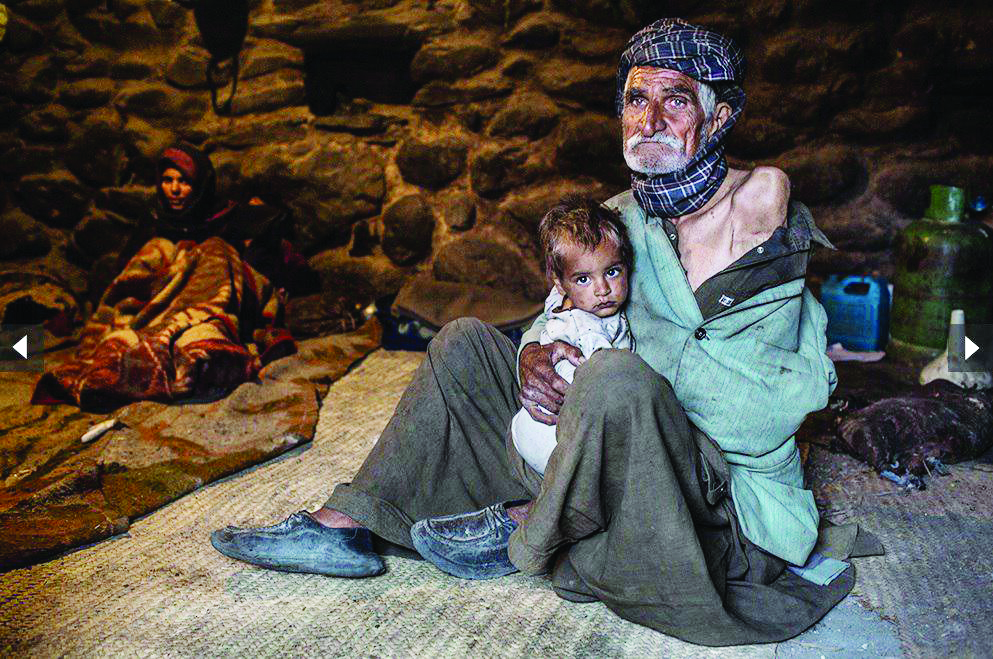
Displacement and fear of travel for basic healthcare, vaccination, maternal care and routine services can increase morbidity in vulnerable groups such as women, children, and the elderly.
5. Disruption of
Essential Services
War often interrupts access to clean water, sanitation, food supply chains, and power — all critical for public health. Damage to infrastructure can lead to outbreaks of infections, malnutrition, and difficulty managing chronic illnesses.
6.Long-TermPublic Health Burden
Medical and humanitarian organizations warn that beyond immediate injuries, war zones typically face long-term health deficits poorer disease outcomes, chronic psychological conditions, missed vaccinations, and collapsed healthcare resources.
7.International Concern
Agencies like the World Health Organization (WHO) have highlighted the need to protect health infrastructure, emphasizing that hospitals and clinics must be spared under international law.
Source: Reuters-AI

