
















VANCOUVER — A rising number of COVID-19 infections has led health officials to declare an outbreak in B.C.’s Central Okanagan and impose sweeping new measures to curb the spread of the disease.
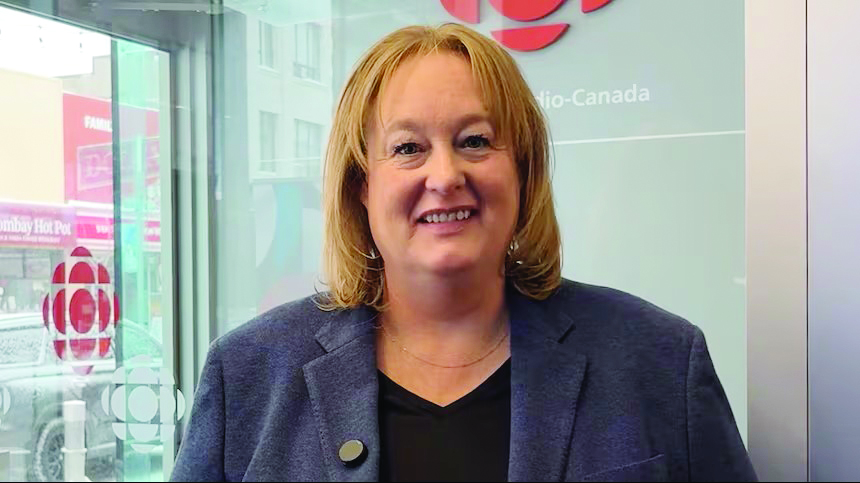
Provincial health officer Dr. Bonnie Henry, Health Minister Adrian Dix and Dr. Sue Pollock, chief medical health officer for the Interior Health Authority, made the announcement during a last-minute news conference Wednesday.
The announcement comes after Interior Health, which covers the Okanagan, Thompson-Cariboo-Shuswap and the Kootenays, saw a recent uptick in COVID-19 cases. In the last six pandemic reports from the provincial health ministry, Interior Health recorded the highest number of positive tests, more than any other authority. Pollock told CTV News 323 cases have been identified in the Central Okanagan since July 1, and that 97 per cent of those infected were either partially vaccinated or not vaccinated. More than two-thirds of them were in their 20s or 30s. The new rules are in place for Central Okanagan specifically, which includes Kelowna, West Kelowna, Peachland and Lake Country.
Starting at midnight, a public health order will make masks mandatory for indoor public spaces in the region.
People will also be encouraged to wear masks outdoors if they can’t distance and if they aren’t immunized. The mask rule does not apply to children under the age of 12.
“Alongside masking we’ll be reinforcing the importance of physical distancing, staying home if sick and seeking testing if symptomatic,” Pollock said.
Non-essential travel is discouraged into the Central Okanagan region for those who aren’t fully vaccinated and while the outbreak is ongoing. Asked what that means for families planning trips to the region or who are there already, Pollock suggested they make decisions in the best interests of their loved ones. She said the virus is circulating in the community, and many cases do not have a clear origin point.
“We do know from interviews of all of our cases that about a third of them have an unknown exposure, which means we don’t know where they actually acquired COVID-19,” Pollock said.
Officials noted the Delta variant – thought to be highly transmissible – is driving much of the spread.
Source:.bc.ctvnews.ca/