



















Idlib, Syria – At the foot of the Orontes River, in the northern countryside of Idlib, lies the village of al-Hamziyah, once known for its lush, fertile lands.
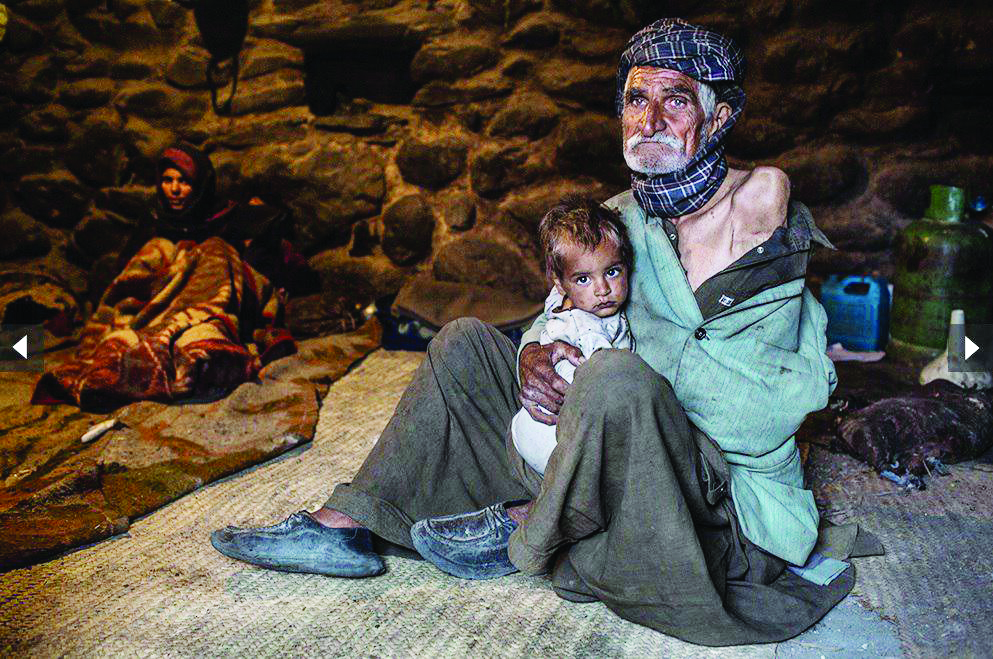
Now, as the sun sets every day, it turns into a refugee camp for the villagers. Although it has been a year since the February 6 earthquake, the temblor’s effects are still evident on the village’s homes, where you can find cracked walls, and on the fields collapsing with the weight of the water that flooded them. And, near every house, there is a tent for a family too frightened to sleep inside their house.
No longer habitable
“I fear that the earth will shake and that the Orontes will swallow us,” Yasmine Misto, who is in her 30s, said.
Yasmine, her husband Khaled, their 10 children and her mother-in-law all sleep in a leaky tent with rainwater constantly trickling in near their house, which collapsed partially in the earthquake.
“I was six months pregnant, and at first I thought I was feeling dizzy. I didn’t realise it was an earthquake,” Yasmine said, describing the panic of one year ago as she scrambled to save her children and mother-in-law, terrified the whole time and thinking that the house would fall on their heads. Yasmine gave birth a month later, in her seventh month, to a premature baby boy who has thrived and grown since those stressful early days and keeps them very busy in the tent.
The family’s house is no longer habitable, and it was only a few days ago that Yasmine was finally able to dig out some utensils from under the ruins of the kitchen to start using them again in the tent. Yasmine and her husband were agricultural labourers, but when the Orontes overflowed its banks in the earthquake and permanently expanded its basin, many fields were inundated and work opportunities became very hard to come by. Source:.cbc.ca/news/
Home NEWS Middle east news Since the earthquake, these northwest Syrian villagers camp out every night