

















Domestic violence typically translates as aggressive or abusive behavior within the home, usually involving the abuse of a spouse or partner. In many cases, it’s about control and power in a dynamic and can affect atone of any race, gender, or religion. Although domestic violence is a choice made by the abuser, underlying factors may also contribute to the matter such as childhood trauma, holding certain beliefs about hierarchy systems, or witnessing domestic violence as a child.
Specifically in south Asian and Muslim homes, culture plays a large role in the cause of domestic abuse. South Asian culture and Muslim religion tends to stick to traditional values surrounding gender roles, the idea of a patriarch, and a tight knit and strong family unit which can be contrasted with western culture which values individualism and sexual equality. When talking about religion and culture, it’s important to separate the two because Islam is open to women being career-driven and many other ideologies western culture values. But regardless, many of these ideas seem foreign to south Asian culture.
In South Asian homes, domestic violence can appear in psychological, social, physical, secular, and even financial forms. The most common interpretation of domestic violence can range from gaslighting to emotional manipulation but always takes on a tone of guilting the other spouse in an effort to control them. In many cases, it’s unintentional, learned behavior but that doesn’t change its statis as abuse. In all of its forms, domestic violence represents an unhealthy control on the part of the abuser. Unfortunately, because of societal and cultural expectations, South Asian domestic abuse victims have a tendency to underreport.
According to Canadian statistics, 29% of women belonging to a visible minority group reported experienced some kind of psychological, physical, or sexual violence committed by an intimate partner in their lifetime, starting at the age of 15. These statistics are only those who reported their experiences, only those women who were aware of what was happening to them and realized it wasn’t normal.
The best way to minimize the occurrences of situations like these is to prevent them beforehand, through social and cultural change across the community. Discouraging conversation about harmful attitudes towards family, and challenging the condoning of violence within the family is a simple way to play your part in repudiating ideas of domestic violence. Similarly, intervention is important. Matters like these are not private affairs, if someone is being affected by family violence it is important to identify and support victims and help them get out of a harmful situation.
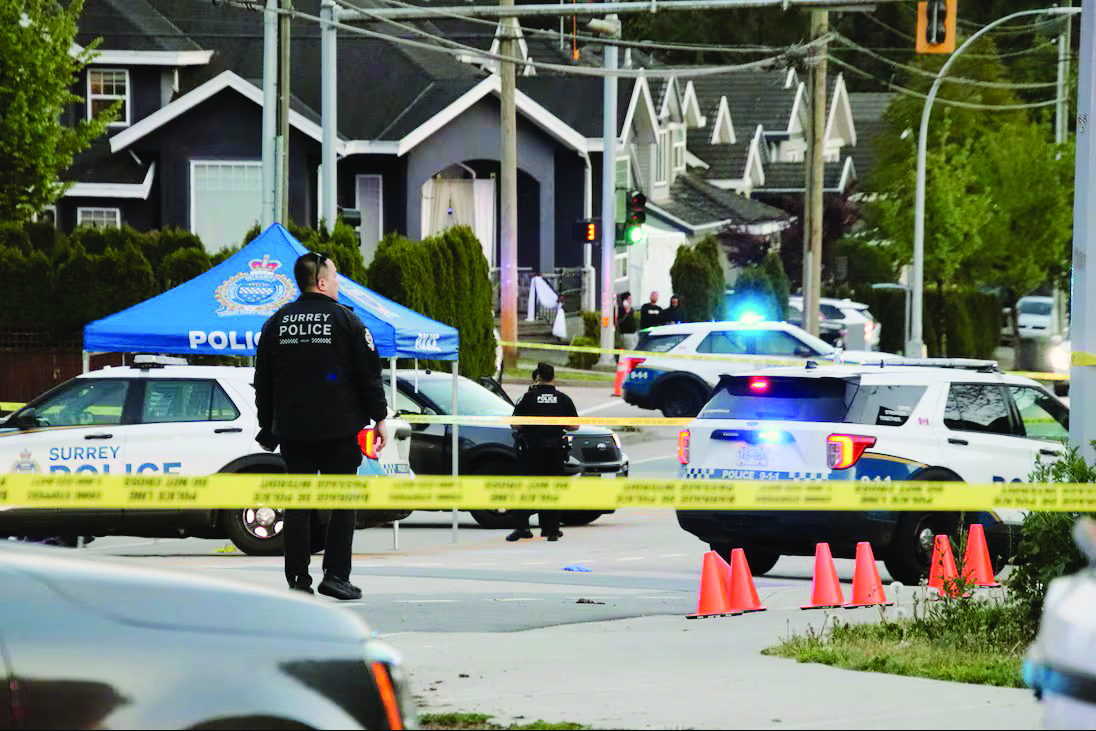
When called to an incident of domestic violence and abuse, the RCMP are responsible for restoring order, protecting victims, and investigating and gathering evidence. This may involve the arrest of the abuser but in many cases both the victim and the abuser are provided with programs and care for them both to get through the experience. For the victim, overcoming the trauma is important, and for the abuser it is necessary that something like this never happens again.
Laysa Lil Insana illa ma’ sa’aa
That man can have nothing but what he strives for.
Friday, May 8, 2026