

















By: Hasan A. Rabbani Gr 9
Yemen is a country of beauty, with high mountains, beautiful beaches, and vast deserts. It has a rich history and diverse culture. It has many strong and valuable exports, as well as a large, growing population.
In theory, Yemen should be thriving like its neighbours, the UAE, Qatar, Saudi Arabia, etc.
However, Yemen is plagued by civil war. Currently, the country is torn, suffering one of the largest humanitarian crises ever.
More than 4.5 million Yemenis remain displaced, and almost 19 million are “in dire need of humanitarian assistance” according to the UNHCR. Despite the hundreds of thousands who have died and millions injured, the war rages on because each side has a wealthy and powerful ally.
The Yemeni civil war officially began in 2014, but fighting had been going on long before that.
The Republic of Yemen, the internationally recognized, official government of Yemen, has been fighting rebels and political backlash since the creation of the state. Shia groups in Yemen opposed the Sunni government that would discriminate against and enforce “sunnification” policies. Eventually, this led to the creation of the Ansar Allah group, or the Houthis, by Hussein al-Houthi in 1994. The Houthis were low-level insurgents and would protest against the Yemeni government, but when their founder was assassinated, they realized that if they didn’t fight back, they would be wiped out.
The Houthis allegedly found the support of the Iranian government in 2009, although Iran denies any involvement. Then, in 2014, after protests and failed negotiations, the Houthis stormed the capital city of Sanaa, driving out the official Yemeni government.
Yemen’s northern neighbour, Saudi Arabia, had already been worried about the Houthis and the Iranian influence they were bringing to the peninsula. They organized a coalition to reinstate the presidency and fight back against the Houthis, working hand-in-hand with the Yemeni Armed Forces.
For three years, Yemen was politically divided into two parts until the formation of the Southern Transitional Council, also known as the STC. The STC believed that neither the Houthis nor the
Saudi-led government would divide Yemen’s resources fairly, and they would be discriminated against.
With the help of the United Arab Emirates, the STC began to fight back against both the Houthis and the Yemeni Armed Forces.
This made the conflict in Yemen much more dangerous, as three mighty and wealthy groups were waging war against one another.
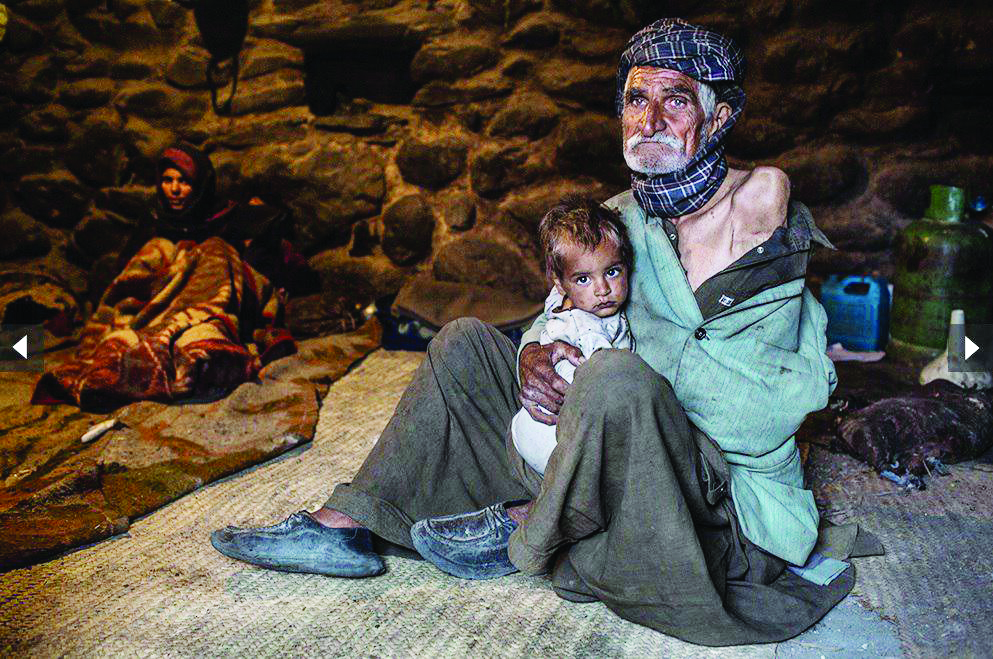
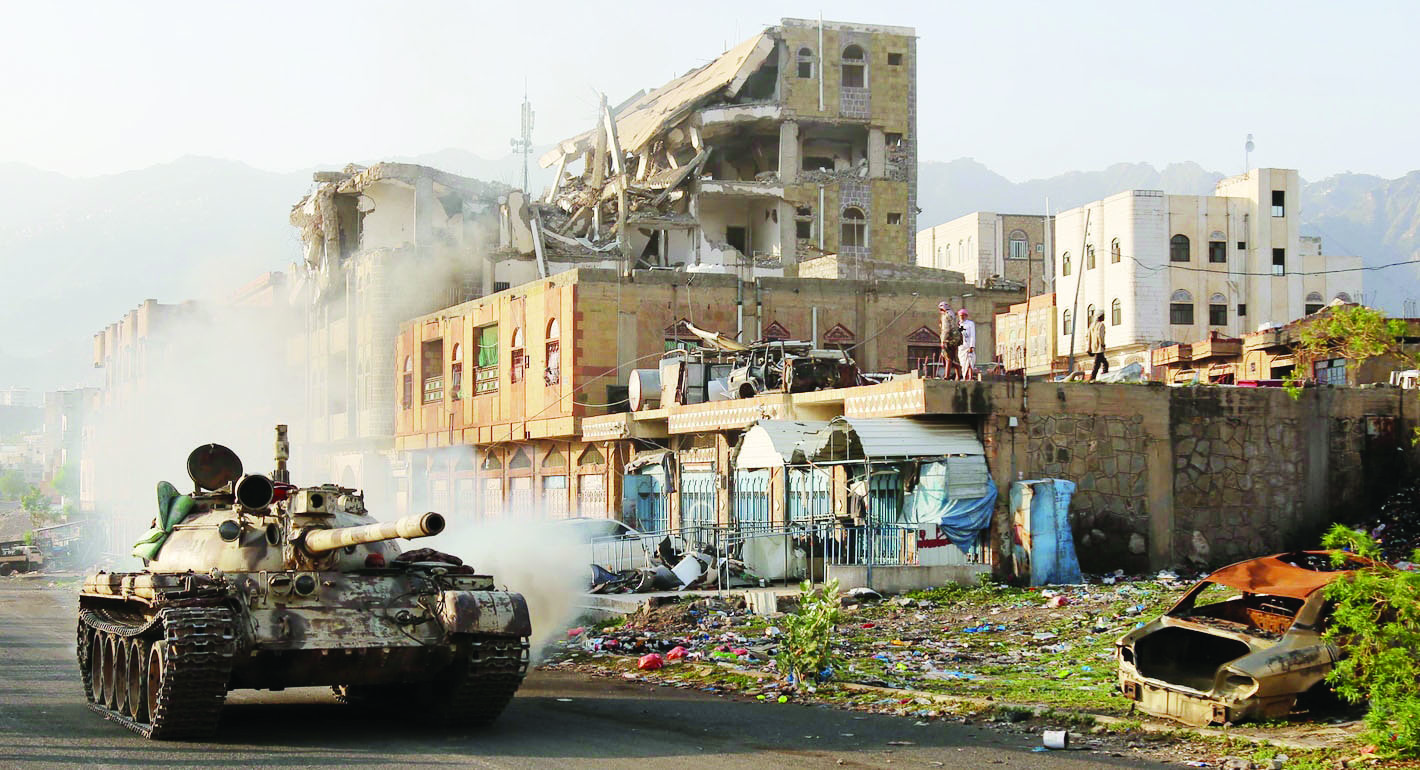
Fighting continues today, and it has wrecked Yemen beyond imagination. The Houthis control most of the north, including the capital Sanaa, the STC controls most of the south and the east, and the Saudi-backed Republic of Yemen controls pockets in the north and south. The war has displaced more than 4 million people and killed over 300,000. Food insecurity is at an all-time high in Yemen, because fields, farmers, and resources are being bombed and hoarded by each of the war wagers. Severe floods and droughts choke local food supplies.
Due to the instability of farming, Yemen imports almost 90% of
its food! However, with food costs rising globally and sporadic supply chain issues, it isn’t a viable solution. Many families sell everything they own, live on the side of the street and even, unfortunately, resort to killing and stealing to avoid starvation. Most children are pulled from schools so that they can help their families and work, but because of the scarcity of jobs, most don’t find one. The uncomfortable truth is that the Yemenis can’t do anything; they have zero opportunities and are set up for failure.
Even though the war in Yemen has killed hundreds of thousands and displaced millions, Yemen receives very little media coverage. This is mainly due to two reasons: dangerous conditions for journalists, and the weapons contracting industry. Yemen is extremely unsafe for journalists; it has been well documented how they are abused, detained, and even killed.
Organizations such as Human Rights Watch have published detailed reports on crimes against journalists in Yemen.
Most journalists choose to abandon Yemen out of concern for their safety, and those who stay live double lives, concealing their identities in fear. None of the war-waging parties in Yemen have any respect what soever for international laws protecting journalists. Additionally, many Western countries are actively involved in the conflict indirectly, such as the USA, Israel, and the UK, which have provided arms and intelligence to tip the war against the Houthis.
The USA alone has approved Saudi arms purchases worth tens of billions of dollars over the course of the war, evident in the stock prices of American weapons contractors. So, because few journalists would go to Yemen even if they had the chance, and because of the money being made from this war, media outlets choose not to report on Yemen.
This allows for each party to commit atrocities against the Yemenis, like Saudi Arabia using explosive weapons on unarmed civilians along their border and then torturing and abusing the survivors.
Or the Houthis, who once trained 2000 children to fight against the Yemeni Armed Forces. Or the STC, which has tortured, abused, and killed many of its detainees. Due to the lack of media coverage, each party in Yemen can commit war crimes freely and without any consequences.
Yemen has been suffering for so long, and unfortunately, there isn’t a clear end in sight to the civil war. Even though recent prisoner trades and a temporary ceasefire have sparked hope, the fact of the matter is that every group and country involved is too determined and is gaining something they value more than Yemeni lives.
The Houthis truly believe that Yemen under their leadership will ensure equality and equity, the STC is committed to establishing its own state, and the Yemeni government believes that its leadership is best for Yemenis alike. Each of these parties’ supporters keeps funding them because of the benefits they receive, whether that’s a friendly neighbour for Saudi Arabia, influence for Iran, or ports for the UAE. An end to the civil war is crucial, but for some, wealth and control are more important than human lives.

