












 Corporate watchdog to investigate Nike, Dynasty Gold over allegations they benefited from forced Uyghur labour Canada’s corporate watchdog announced Tuesday it would launch an investigation into two companies over allegations that they benefited from slave Uyghur labour, shining a spotlight on the country’s approach to preventing the use of forced labour.
Sheri Meyerhoffer, the Canadian Ombudsperson for Responsible Enterprise (CORE), says she has enough to launch an investigation into allegations that Nike Canada and Canadian gold mining company Dynasty Gold are benefiting from the forced labour of Uyghurs in China.
Advocates have called for better enforcement of Canadian law when it comes to the use of forced labour to produce goods. Since Canada introduced its first law to fight forced labour in 2020, it has intercepted just one shipment of goods linked to such practices. The Canada Border Services Agency says that shipment, too, was released after an appeal from the operator. Here is a look at what Canada has done to prevent the use of forced labour, the challenges of enforcement and how international approaches vary.
Who are the Uyghurs?
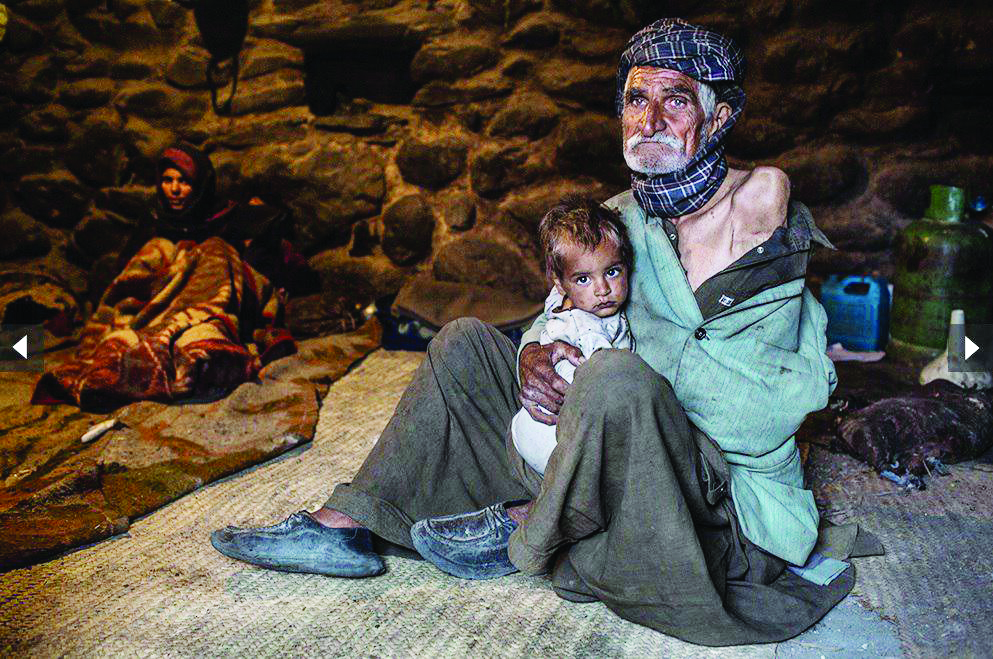
According to Global Affairs Canada, more than one million Uyghurs and other Turkic Muslim minorities are being imprisoned in China, because of their religion and ethnicity. Human Rights Watch says at least one million Uyghur and other Muslims in Xinjiang have been arbitrarily detained in what China calls “re-education” or “vocational training” camps, in prisons or “pre-trial detention” facilities. China routinely denies accusations, including from Canada’s House of Commons, that its treatment of Uyghurs amounts to genocide.
The Chinese government began its campaign against what it described as extremists and terrorism in 2014 after a series of violent attacks it blamed on Uyghur extremists or separatists.
A 2022 report by the United Nations said China may have committed crimes against humanity.
How has Canada responded?
In 2021, Canadian MPs passed a motion saying China’s treatment of the Uyghur population and other Turkic Muslim minority groups amounted to a genocide, according to the definition set out in the 1948 UN Genocide Convention.
The motion — which passed 266 to 0 — was supported by all opposition parties and a handful of lawmakers from the governing Liberal Party. Prime Minister Justin Trudeau and most of his cabinet were absent for the vote. The Integrity Declaration of Doing Business with Xinjiang Entities, first introduced in July 2020, required Canadian companies to file declarations they are not directly or indirectly sourcing products from Chinese entities implicated in forced labour or other human rights violations related to Xinjiang. But according to the Supply Chain Risk Report 2023, released in January by aid agency World Vision Canada, statistically 7.5 per cent (or one in every 13) imported products that come into Canada could be made by an enslaved labourer…
Source: cbc.ca/news
Sunday, May 3, 2026
