














The tiny island is a vital, vulnerable cog in Iran’s oil exports, and a tempting target for Trump .
By John Mazerolle · CBC News
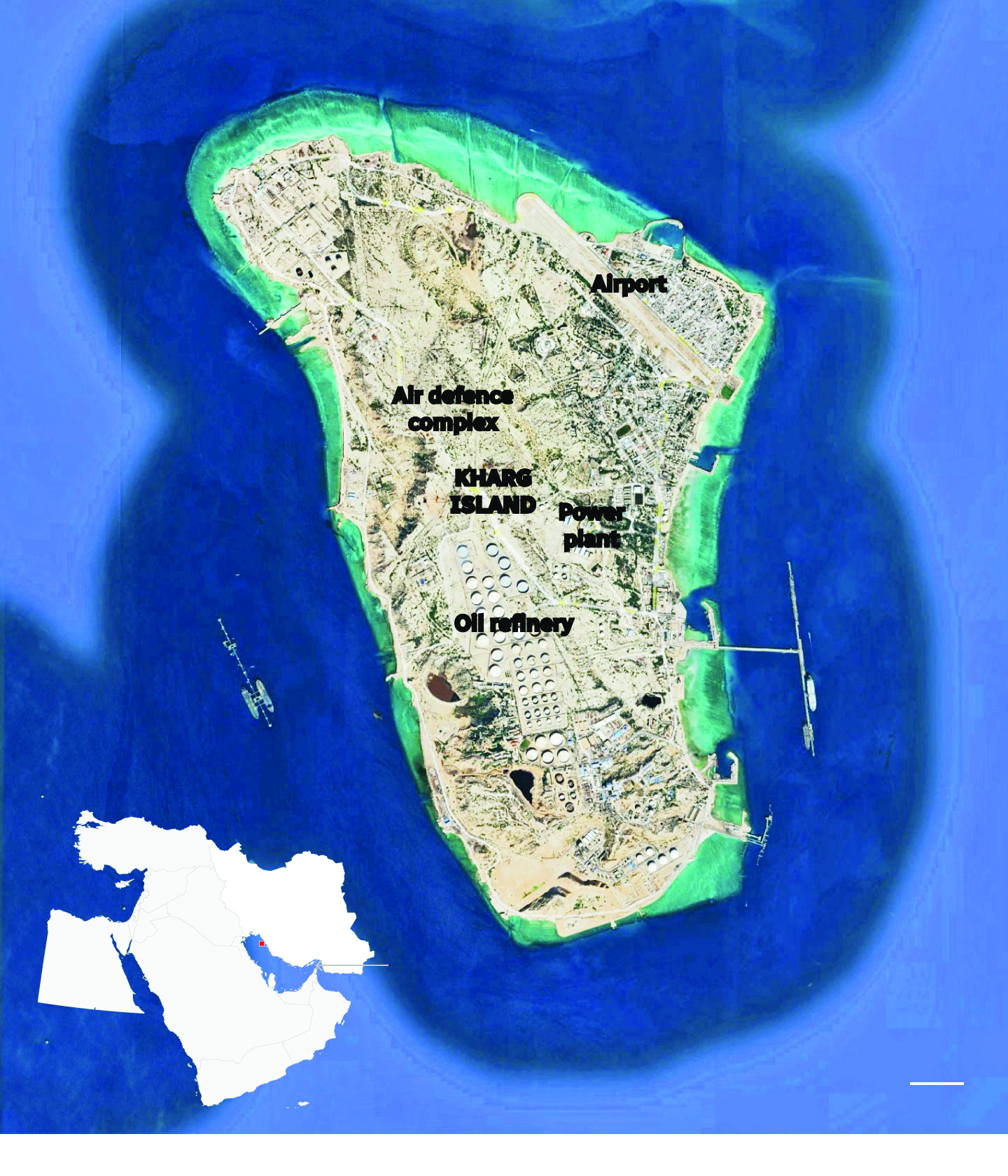
Iran’s Kharg Island is a tiny dot in the Persian Gulf — a coral outcrop in deep waters with a long history as a trading post and, in the distant past, as a Christian community dating back to the sixth century.
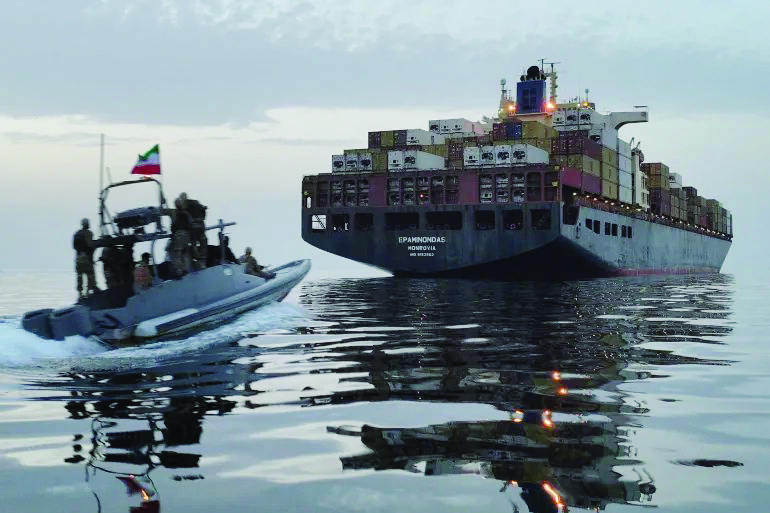
Fast forward to 2026, and the “Forbidden Island,” as it is sometimes called because of its strict access rules, is an oil export hub and perhaps the most important location in the war the U.S. and Israel launched on Iran on Feb. 28. Kharg Island is vitally important to Iran’s future, U.S. military plans and the world’s economy, including what you’ll be paying at the pumps and at the grocery store in the coming months. Why it matters to Iran As the data analytics firm Kpler detailed in a recent update, tiny Kharg Island — roughly eight kilometres long and five kilometres wide — is nevertheless the most critical piece of Iran’s oil economy. “Iran has spent decades building pipelines from major inland producing areas to the island, turning it into the main collection, storage and loading point for crude before it moves to international buyers,” the update said. That concentration leaves Iran extremely vulnerable. In the year before the war, 94 per cent of Iran’s crude exports left on tankers from Kharg. Any sustained disruption would immediately threaten most of the country’s export capacity, Kpler warned. It would also effectively cripple any Iranian government’s ability to do business. The U.S.-China Economic and Security Review Commission estimates China buys about 90 per cent of that oil, and the revenue accounts for almost half of Iran’s budget.
Why it matters to the U.S.
U.S. forces attacked Kharg Island in mid-March, with U.S. President Donald Trump saying the U.S. “totally obliterated every MILITARY target,” leaving investors watching for any sign that the strikes had damaged Kharg’s intricate network of pipelines, terminals and storage tanks.
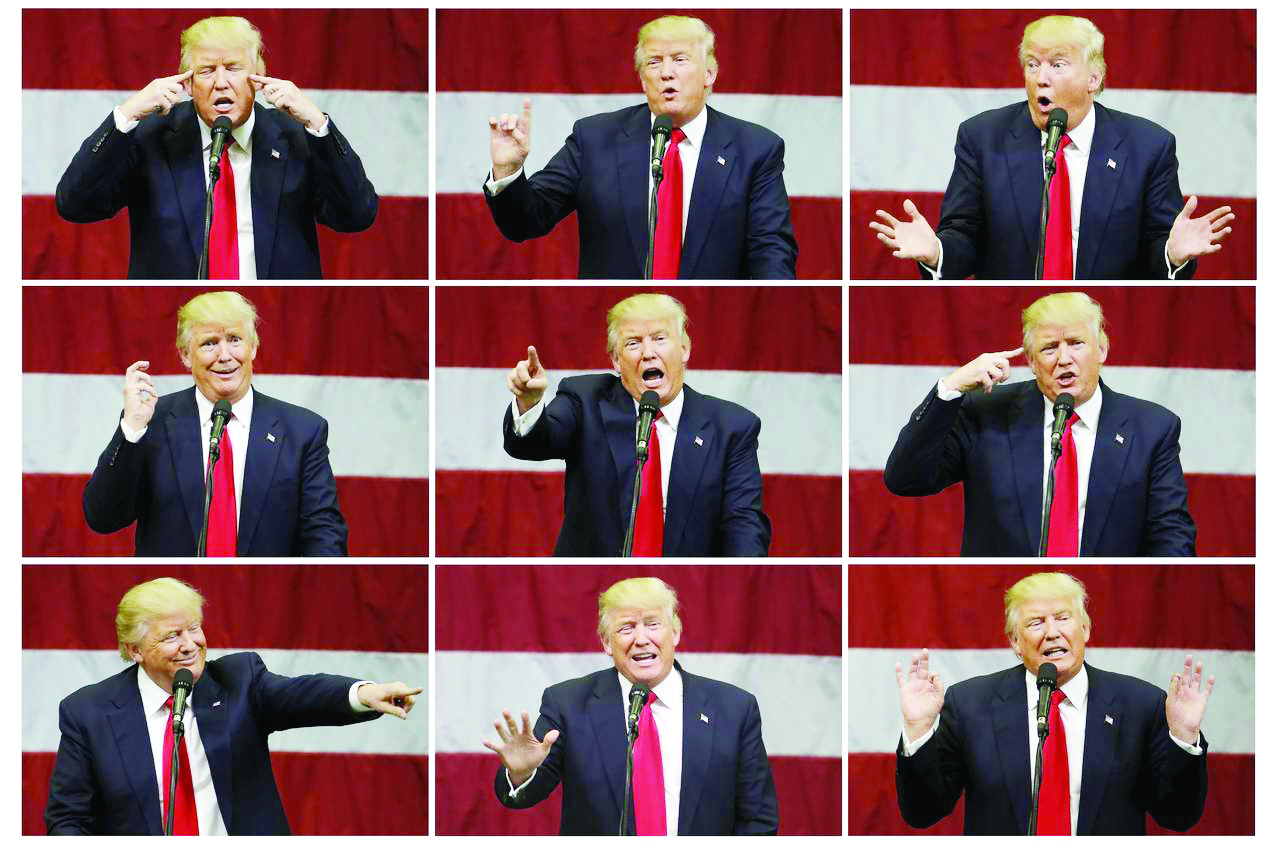
Since then, Trump’s erratic proclamations about the war — veering between violent warnings and promises it will end soon — have included threats to either destroy or seize Kharg Island.
The island would be one of the “ultimate bargaining chips,” Frank Galgano, a retired U.S. Army lieutenant-colonel and military geography professor at Villanova University, told CBC News earlier this month.
The island is a tempting target given Iran’s stranglehold on the Strait of Hormuz, through which a fifth of the world’s oil is shipped in peacetime.
It would also effectively cripple any Iranian government’s ability to do business. The U.S.-China Economic and Security Review Commission estimates China buys about 90 per cent of that oil, and the revenue accounts for almost half of Iran’s budget.
Why it matters to the U.S./
U.S. forces attacked Kharg Island in mid-March, with U.S. President Donald Trump saying the U.S. “totally obliterated every MILITARY target,” leaving investors watching for any sign that the strikes had damaged Kharg’s intricate network of pipelines, terminals and storage tanks.
Since then, Trump’s erratic proclamations about the war — veering between violent warnings and promises it will end soon — have included threats to either destroy or seize Kharg Island.
The island would be one of the “ultimate bargaining chips,” Frank Galgano, a retired U.S. Army lieutenant-colonel and military geography professor at Villanova University, told CBC News earlier this month.
The island is a tempting target given Iran’s stranglehold on the Strait of Hormuz, through which a fifth of the world’s oil is shipped in peacetime…
Source: cbc.ca/news/world