











You’ve probably heard of women smashing glass ceilings, or breaking through barriers faced by females. But in politics there’s also increasing recognition that women may also be vulnerable to falling off what’s known as “the glass cliff.”
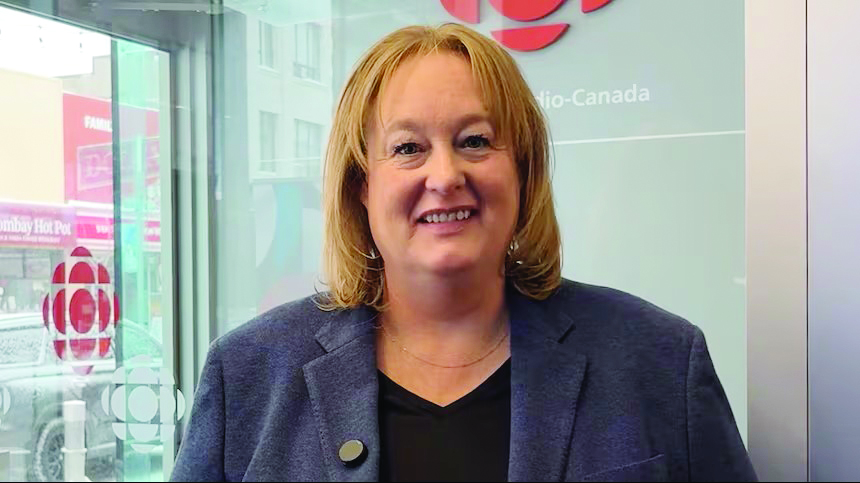
“The glass cliff basically refers to the fact that parties are willing to choose women as leaders when they don’t really think they’ve got a chance at winning power,” said Mount Royal University’s Lori Williams.
Kim Campbell, Kathleen Wynne and Christy Clark are all examples, according to Williams. It’s a phenomenon also witnessed at the individual riding level. We saw women running in fewer party strongholds,” added University of Victoria lecturer Grace Lore, “so there’s a drop off in the number that were elected.”
Lore pointed out that while legislatures are electing more women, in Alberta, there was actually about a three-per-cent decline in the number of female MLAs after the provincial election Tuesday.
In her concession speech Tuesday, Rachel Notley addressed the issue directly.
“Sometimes it may feel like you’re taking two steps forward and then one step back,” Notley told supporters after her defeat. “May you never ever stop taking those steps forward.” Why representation matters
Williams doesn’t think we need to get to 50 per cent representation, but she says the fact there are no women premiers is problematic because it means half of the population of Canada doesn’t see themselves represented in the upper echelons of political life.
Williams believes having more women involved in higher levels of politics shows females that there are people who may want to do politics the way they may choose to.
Williams also noted that female political leaders tend to bring women on board for senior positions and tend to consider diversity because they come from a place of knowing what it’s like to be on the outsider. She notes while male leaders do this, it’s a more prevalent trend among women.
Source: bc.ctvnews.ca
Wednesday, May 6, 2026