














The world is currently facing a certain situation in the shadow of war. Where wars are being fought in important places and the whole world is always aware of these scenes of destruction. Today’s wars are not like the old ones which were fought face to face between armies. And the parties were aware of the enemy’s attacks and tricks.
Now wars are based on espionage, psychological tactics, and cunning tricks.
Now, missiles are being launched from thousands of miles away from one’s country at the bases of any enemy. This is a very dangerous situation. War history is as or as human being. War is the name of killing and destruction, its nature never changes and will not change in the future. The brutal killing of humans, oppression, and the enslavement of the weak by the powerful are the main consequences of the war.
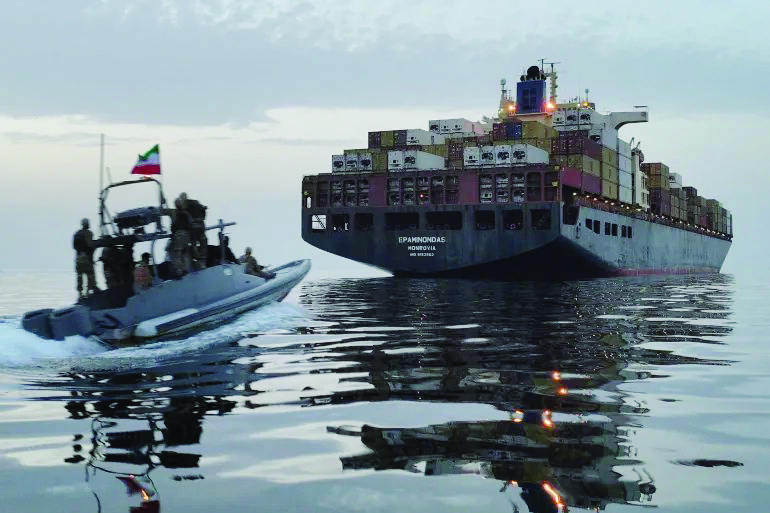
The Iran-Israel war, which began on June 12, 2025, in which Iran’s Supreme Commander and several scientists were killed simultaneously, and after that, Iran retaliated, which also destroyed Israel. The American attack on Iran’s nuclear facilities put the war in a dangerous situation. Then suddenly, on June 23, US President Donald Trump announced a ceasefire between Iran and Israel, which was confirmed by President Trump, the Iranian President, and the Israeli Prime Minister. US President Trump also appealed to the parties not to violate the ceasefire.
However, now world leaders have praised the decision to declare a ceasefire.
After Pakistan, now a Republican member of Congress has written a letter to the Nobel Committee for the nomination of US President Donald Trump. In this letter, he said that Trump played an extraordinary and historic role in ending the armed conflict between Iran and Israel. It seems next Nobel prize is for Donland Trump.
Iran is a non-nuclear country, it can wage a conventional war but cannot fight a nuclear war, which is why the United States and Israel are not allowing Iran to become a nuclear power.
This war caused great anxiety and uncertainty throughout the world. Now let’s see what happens next and when and how do Muslim countries support whom and what lessons do Muslim countries and the world learn from this war? American military bases established in different Muslim countries are inviting Muslims to war with each other, and this is the aim of the Muslim enemies, that Muslims should not be allowed to come together, so that they end up fighting among themselves. Every thinking person can guess how delicate and dangerous this situation is. The Iranian leadership is currently facing two fronts, external enemies as well as internal traitors. The biggest threat to Iran is the internal enemies within its country, who are conveying all the information from within to the enemies through various sources, and it is also important to remember that internal enemies are more dangerous than external enemies. It is very important to control them, otherwise, no matter how much war potential there is, internal weakness does not allow any great nation to stand on its feet. And this is the biggest lesson of history.
I pray to Allah Almighty that He may make this world a place of peace for all and that He may grant wisdom to those who cause mischief, because today’s wars and attacks on nuclear facilities do not allow the effects of radiation to be limited to this country alone, but can cause the destruction of the entire world. Remember, all living things in the world share in the air and water. If this air and water are poisoned, then think of the destruction the world will lead to. I pray to Allah Almighty to give power to people in this world who want peace and respect and honor humanity. Ameen.
“Waan Laysa Lil Insana
illa ma’ sa’aa “
That man can have nothing but what he strives for.
158TH Canada Day: A Time for Celebration, Reflection, and Responsibility
By: Khadija Nadeem,
Miracle’s Writer
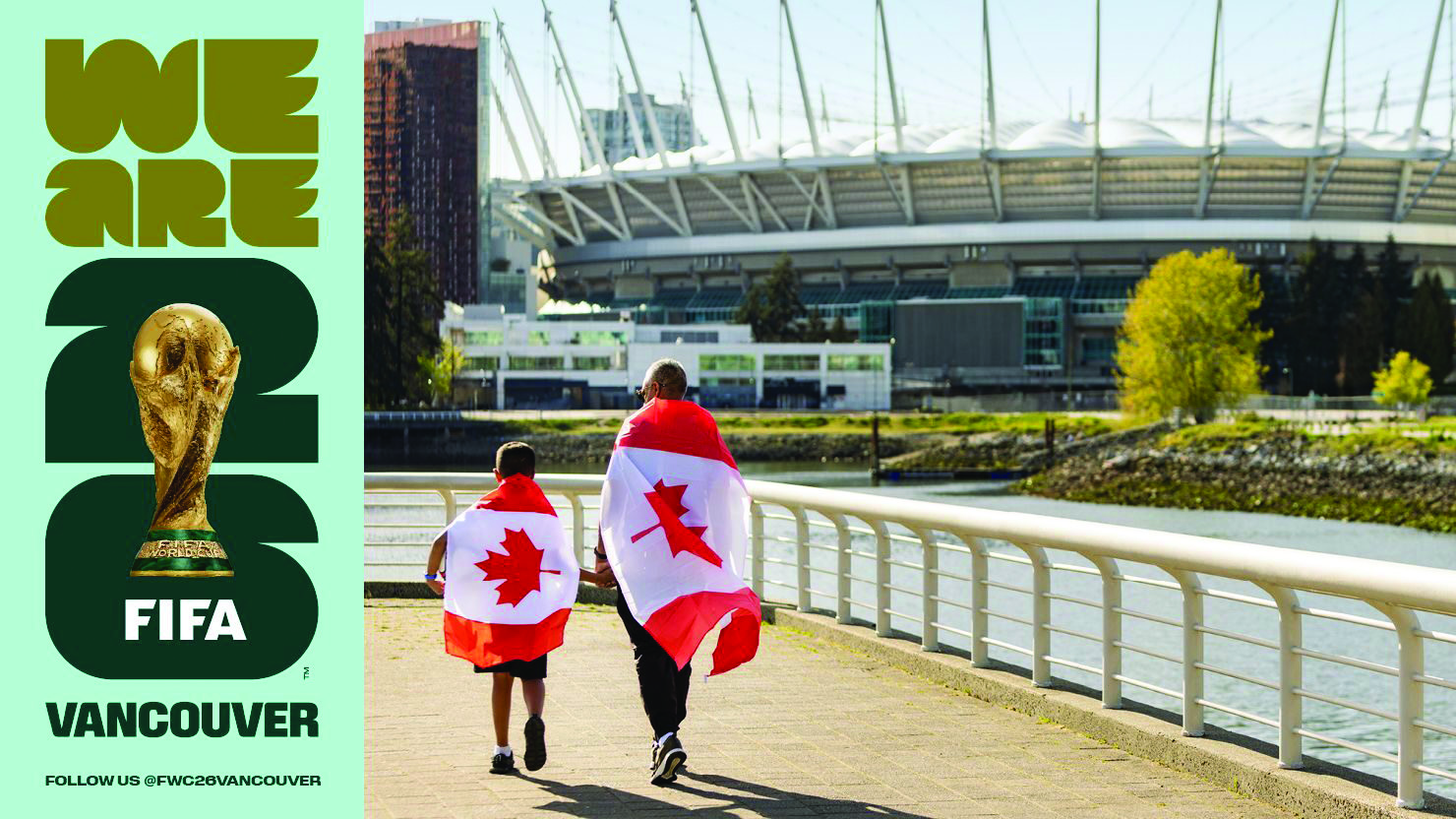
Every year on July 1st, fireworks light up the sky, flags flutter proudly in the wind, and communities across the country gather to celebrate Canada Day. For many, it’s a moment of joy—of picnics, parades, and patriotic songs. But more and more, it’s also become a day for deeper reflection. What does it trulymean to celebrate Canada?
At its best, Canada Day can be an opportunity to unite a diverse country under shared values: kindness, inclusion, peace, and democracy. But at its most honest, it must also acknowledge the work we still have to do to live up to those ideals.
Canada is a country built on contradictions. It is known globally for its openness and multiculturalism, yet it is also a country with a long and painful history of colonialism. While many Canadians are proud of our healthcare system, our natural beauty, and our peaceful international presence, these accomplishments coexist with systemic inequality, environmental harm, and a legacy of injustice that disproportionately affects Indigenous peoples, Black communities, and other racialized groups.
For immigrants, Canada Day can carry special meaning. It’s a chance to reflect on the journey of building a new life in a new land—often marked by sacrifice, strength, and hope. It’s a day to show appreciation for the freedoms and opportunities Canada offers, and for the welcoming spirit that defines so many Canadian communities.
More than a symbolic holiday, Canada Day is a moment to feel connected—to embrace Canadian culture while also honoring the traditions, languages, and values immigrants bring with them.
This exchange of cultures is not a loss, but a gift. Passing on those traditions to children and grandchildren, while participating in the broader Canadian mosaic, strengthens both
personal identity and national unity.
True patriotism doesn’t mean ignoring our flaws. It means loving a country enough to want it to do better. It means asking tough questions: Who gets to feel safe here?
Who gets to thrive?
Whose stories do we prioritize, and whose do we overlook?
It also means action.
As individuals, we can support Indigenous sovereignty, amplify marginalized voices, and challenge prejudice in our communities. We can educate ourselves about treaties and territories, about the truth of residential schools, and about how colonial structures still shape our systems today.
But Canada Day is not only about acknowledging wrongs; it’s also about reimagining what this country can be.
It’s about honoring the communities who, despite everything, continue to resist, rebuild, and shape Canada into something better.
Immigrants play an essential role in this transformation. From contributing to the economy to enriching the arts and building bridges across cultures, their presence strengthens the very fabric of the nation.
Let us also remember that joy and resistance are not mutually exclusive. We can celebrate the vibrant communities that call this land home, the art and music and stories that enrich us all. We can take pride in the progress we’ve made, without forgetting the road still ahead.
This July 1st, instead of asking simply how we celebrate
Canada Day, let’s ask why.
What kind of country do we want to live in? What kind of story do we want Canada to tell the world—and to itself?
Whether you’re attending a celebration, connecting with neighbors, or taking a moment of quiet reflection, Canada Day offers us a yearly chance to pause—not just to feel proud, but to feel responsible.
In the words of the late Mi’kmaq poet Rita Joe:
“Let me find my talk, so I can teach you about me.”
Let Canada Day be a time not only to raise the flag, but to honor our journeys, embrace our communities, share our heritage, and
imagine together the Canada we are still creating.


