















Introduction:
The escalating crisis between Russia and Ukraine has not only wreaked havoc on the geopolitical landscape but has also significantly impacted the global economy. As tensions continue to rise, the world is witnessing a concerning surge in inflation, with both direct and indirect consequences that threaten the stability and well-being of nations around the globe. This editorial aims to shed light on the causes and implications of world inflation stemming from the Russia-Ukraine crisis, emphasizing the urgent need for international cooperation and prudent economic policies to mitigate its adverse effects.
Unraveling the Causes:
Geopolitical Uncertainty: The conflict between Russia and Ukraine has created an atmosphere of geopolitical uncertainty, leading to diminished investor confidence and increased risk perception. As a result, capital outflows from affected regions have intensified, disrupting global financial markets and amplifying inflationary pressures.
Energy Vulnerability: Russia is a significant exporter of natural gas to Europe, and Ukraine serves as a key transit country for these supplies. The ongoing tensions have jeopardized energy security, raising concerns about disruptions in gas flows. The resulting scarcity and price volatility have contributed to rising energy costs, driving up inflation in both local and international markets.
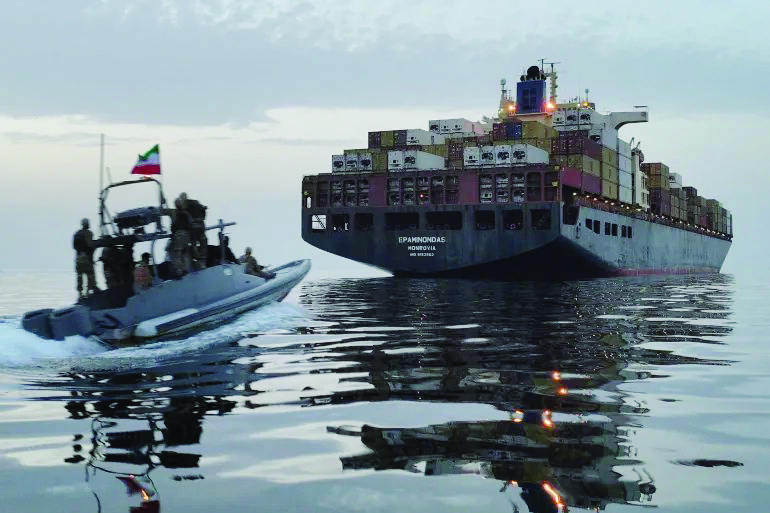
Trade Disruptions: The Russia-Ukraine conflict has disrupted global trade flows, causing supply chain disruptions and hampering the movement of goods and services. Increased trade barriers, sanctions, and market uncertainties have led to higher import costs, further exacerbating inflationary pressures worldwide.
Implications of World Inflation:
Soaring Consumer Prices: Rising inflation erodes the purchasing power of consumers, making basic necessities and essential commodities more expensive. This burden disproportionately affects vulnerable populations, exacerbating social inequalities and hindering economic progress.
Stifled Investment and Growth: Inflationary pressures can discourage businesses from making long-term investment decisions, hampering economic growth. Uncertainty surrounding prices and market stability can dampen entrepreneurial spirit and hinder job creation, ultimately stalling economic recovery efforts.
Policy Dilemmas:
Central banks face the delicate task of addressing inflationary pressures while striving to maintain economic stability. Adjusting interest rates and implementing fiscal policies becomes increasingly challenging as governments try to strike a balance between curbing inflation and stimulating growth.
Addressing the Crisis:
Diplomatic Resolution:
A peaceful resolution to the Russia-Ukraine crisis should be the primary objective. International diplomatic efforts must be intensified to de-escalate tensions, restore stability, and promote dialogue between the parties involved. This would help restore investor confidence and alleviate market uncertainties.
Energy Diversification:
To mitigate vulnerability to energy disruptions, countries should prioritize diversifying their energy sources and investing in renewable energy infrastructure. Reduced dependence on a single supplier would enhance energy security and reduce the impact of potential price shocks.
International Cooperation: Collaborative efforts among nations are vital to combating global inflation. Cooperation through forums such as the G7, G20, and International Monetary Fund (IMF) can facilitate coordinated policy responses, promote economic stability, and provide financial support to affected regions.
Conclusion:
The Russia-Ukraine crisis has sent shockwaves through the global economy, resulting in a surge of inflation with far-reaching consequences. It is imperative for nations to recognize the urgent need for collaborative action, diplomatic resolutions, and prudent economic policies to mitigate the adverse effects of world inflation. By prioritizing stability, diversification, and international cooperation, we can begin to alleviate the pressures caused by this crisis and pave the way for a more resilient and prosperous future.
Home LOCAL Editorial The Spiraling Crisis: Examining World Inflation Amidst the Russia-Ukraine Conflict

